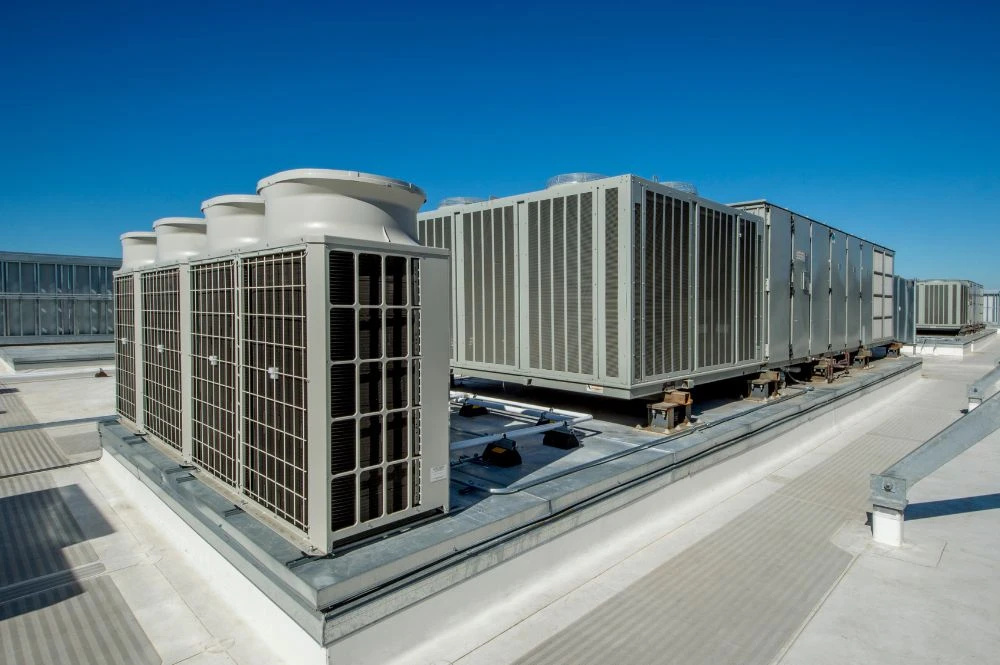

When it comes to maintaining a comfortable indoor environment, few systems are as essential as your HVAC and Air Conditioning System. This technology controls temperature, humidity, and air quality, ensuring a pleasant home or workspace regardless of the weather outside. However, the efficiency of your HVAC largely depends on regular maintenance, particularly the cleanliness of its coils. Clean coils are a vital component in ensuring energy efficiency and minimizing operational costs. Neglecting this aspect can lead to multiple issues, including higher electricity bills, reduced system performance, and even premature system failure.
The Role of Coils in HVAC Systems
An HVAC unit typically contains two main types of coils: Evaporator Coils and Condenser Coils. The evaporator coils are located inside the indoor unit and are responsible for absorbing heat from the air inside your building. In contrast, the condenser coils are part of the outdoor unit and release the absorbed heat outside. Together, these coils are central to the heat exchange process that allows the HVAC to cool or heat your home.
For this process to function efficiently, both coils must be clean and free from debris. When dirt, dust, or grime accumulates on the coils, it forms an insulating barrier that interferes with heat transfer. As a result, the system has to work harder to achieve the desired indoor temperature, using more energy and placing unnecessary stress on its components. HVAC Installation in Santa Clarita
Impact of Dirty Coils on Efficiency
Dirty coils can drastically reduce your HVAC's efficiency. When coils are coated with layers of dust or grease, the system’s ability to transfer heat is hindered. This inefficiency forces the unit to run longer cycles to maintain temperature, thereby increasing Energy Consumption. Longer operation times not only waste power but also accelerate wear and tear, leading to more frequent repairs.
Moreover, blocked coils can restrict airflow, leading to temperature inconsistencies and increased humidity levels indoors. In the summer, for example, the inability to expel heat effectively causes the cooling system to become overburdened, often resulting in hot spots in certain areas of the building. During the winter, a similar problem arises with heating performance, further lowering comfort levels.
Financial Consequences of Poor Maintenance
One of the most immediate impacts of neglected coil maintenance is a spike in Utility Bills. Since the HVAC system works harder when the coils are dirty, it consumes more power to deliver the same output. According to several industry studies, dirty coils can cause your energy usage to increase by up to 30%, a substantial figure considering how much energy HVAC systems typically consume.
In addition to higher monthly bills, dirty coils can lead to costly repairs. The stress placed on the compressor and other critical components due to reduced efficiency can lead to early equipment failure. Replacing a major component like the compressor is often expensive, sometimes costing nearly as much as a new unit. This underscores the importance of proactive maintenance over reactive repairs. HVAC Installation in Lancaster
Longevity and Performance of Your System
Maintaining clean coils doesn't just affect efficiency and cost; it also impacts the lifespan of your HVAC system. When the unit operates under less strain, it naturally lasts longer. Clean coils help maintain optimal performance levels, reduce the frequency of system cycling, and minimize temperature fluctuations, all of which contribute to extended system life.
By ensuring that heat is exchanged effectively, clean coils prevent the system from running excessively, which reduces motor wear and prevents overheating. Many HVAC manufacturers even stipulate in their warranties that proper maintenance, including coil cleaning, must be performed regularly to keep the warranty valid.
Indoor Air Quality and Health Benefits
Although often overlooked, clean coils also contribute to better Indoor Air Quality. Dust and debris on coils can harbor mold, bacteria, and other pollutants, which may get circulated through the ducts and into living spaces. This can aggravate allergies, asthma, and other respiratory conditions. Clean coils prevent the buildup of these contaminants, thereby ensuring that the air circulated within your home or office is clean and healthy.
Additionally, when coils are kept clean, the HVAC system can better dehumidify the air. Moisture accumulation is a common issue when airflow is restricted by dirty coils, which can lead to mold growth within the unit. Such mold can not only damage the system but also pose serious health risks if spores become airborne. Mini Split Installation in Lancaster
Frequency and Methods of Coil Cleaning
Regular coil cleaning is essential to keep your HVAC running at peak performance. The frequency depends on various factors such as the system's location, usage, and surrounding environment. For most residential systems, annual maintenance that includes coil inspection and cleaning is recommended. However, in commercial or industrial settings, or areas with high pollution levels, more frequent cleaning may be necessary.
There are several methods used to clean HVAC coils. The simplest method involves using a soft brush or compressed air to remove loose debris. For more thorough cleaning, a Foam Coil Cleaner or a mild detergent may be applied. In cases where coils are extremely dirty or clogged with grease, professional HVAC technicians may employ pressure washing or chemical cleaning agents to restore coil efficiency. Mini Split Installation in Palmdale
It's worth noting that improper cleaning can damage the coils. For instance, using high-pressure water directly on delicate fins can bend them and reduce efficiency. That’s why, unless you are confident in your understanding of the system, hiring a professional is often the best course of action.
The Environmental Perspective
Keeping HVAC coils clean also has an environmental impact. Reduced energy consumption not only lowers your bills but also decreases your carbon footprint. HVAC systems account for a significant portion of residential and commercial energy usage, and improving their efficiency through simple maintenance measures can have a cumulative effect on reducing greenhouse gas emissions.
Clean coils ensure that your system operates in a more eco-friendly manner by reducing waste and conserving resources. When fewer repairs and replacements are needed, less material ends up in landfills, and the demand for manufacturing new parts or systems decreases—another win for sustainability.
The Case for Preventive Maintenance Plans
One of the most effective ways to ensure your coils remain clean is to enroll in a Preventive Maintenance program offered by HVAC service providers. These plans typically include regular inspections, cleaning, and system diagnostics. Technicians can identify and fix potential issues before they escalate, saving you money and preventing unexpected breakdowns.
Preventive maintenance not only keeps your coils in good condition but also improves overall system efficiency, prolongs equipment life, and provides peace of mind. For business owners, it can also reduce downtime and maintain comfort for employees and customers alike, which is crucial for productivity and customer satisfaction.
Clean coils are more than just a maintenance detail—they are central to the performance, efficiency, and longevity of your HVAC system. By ensuring your coils remain free of debris and buildup, you can enjoy lower energy bills, better air quality, and fewer breakdowns. The modest investment in regular coil cleaning can pay off significantly in the form of reduced operational costs, improved comfort, and a longer-lasting system. As with all property maintenance, prevention is always cheaper and more effective than dealing with the consequences of neglect.



























Sign in to leave a comment.