

Learn about the fertility test for women, how it works, its benefits, and the different types of tests available to understand your reproductive health better.
Fertility tests for women are important tools to help women understand their reproductive health and whether they might face challenges in conceiving. These tests offer valuable insights and can guide medical professionals to determine potential causes of infertility. Whether you're planning a family or just want to learn more about your reproductive health, a fertility test is a key step to gaining clarity.
What Is a Fertility Test for Women?
A fertility test for women is a diagnostic procedure designed to assess various aspects of a woman's reproductive system. It helps determine the overall health of the ovaries, uterus, and fallopian tubes, as well as hormone levels. By taking these tests, women can gain insight into their chances of getting pregnant and whether there are any underlying issues.
Some common reasons women seek fertility testing include difficulty getting pregnant after several months of trying, age-related concerns, or the presence of certain health conditions such as irregular periods or endometriosis.
Types of Fertility Tests for Women
There are various types of fertility tests available to assess a woman's reproductive health:
- Blood Tests:
Blood tests are a standard part of fertility evaluations. These tests measure hormone levels that are crucial for ovulation, such as FSH (follicle-stimulating hormone), LH (luteinizing hormone), estrogen, and progesterone. Abnormal levels of these hormones may indicate issues with ovulation or other reproductive health concerns. - Ultrasound:
An ultrasound scan can help examine the ovaries and uterus for abnormalities, such as cysts or fibroids, which may affect fertility. It can also provide information about the health of the eggs and the endometrial lining, which plays an essential role in implantation. - Hysterosalpingography (HSG):
This test involves injecting a contrast dye into the uterus to check the fallopian tubes for blockages or abnormalities. An HSG test can help detect physical issues that may prevent pregnancy, such as blockages in the fallopian tubes. - Ovarian Reserve Testing:
Ovarian reserve tests measure the number and quality of eggs in a woman’s ovaries. A low ovarian reserve can indicate that a woman’s fertility may decline sooner than expected. - Genetic Testing:
Some women undergo genetic testing to check for chromosomal abnormalities that could affect fertility. This can be especially important for women with a family history of infertility or those experiencing multiple miscarriages.
Why Should You Take a Fertility Test for Women?
Taking a fertility test for women can offer several benefits, particularly if you’re planning a family or experiencing challenges with conception. Here are a few reasons why a fertility test is essential:
- Early Detection: Early detection of fertility issues can help address problems before they become more complex. For example, conditions like polycystic ovary syndrome (PCOS) or endometriosis can affect a woman’s ability to conceive, and early intervention can increase the chances of successful pregnancy.
- Peace of Mind: If you’ve been trying to conceive without success, a fertility test for women can provide clarity on your reproductive health. Knowing your fertility status allows you to make informed decisions about next steps.
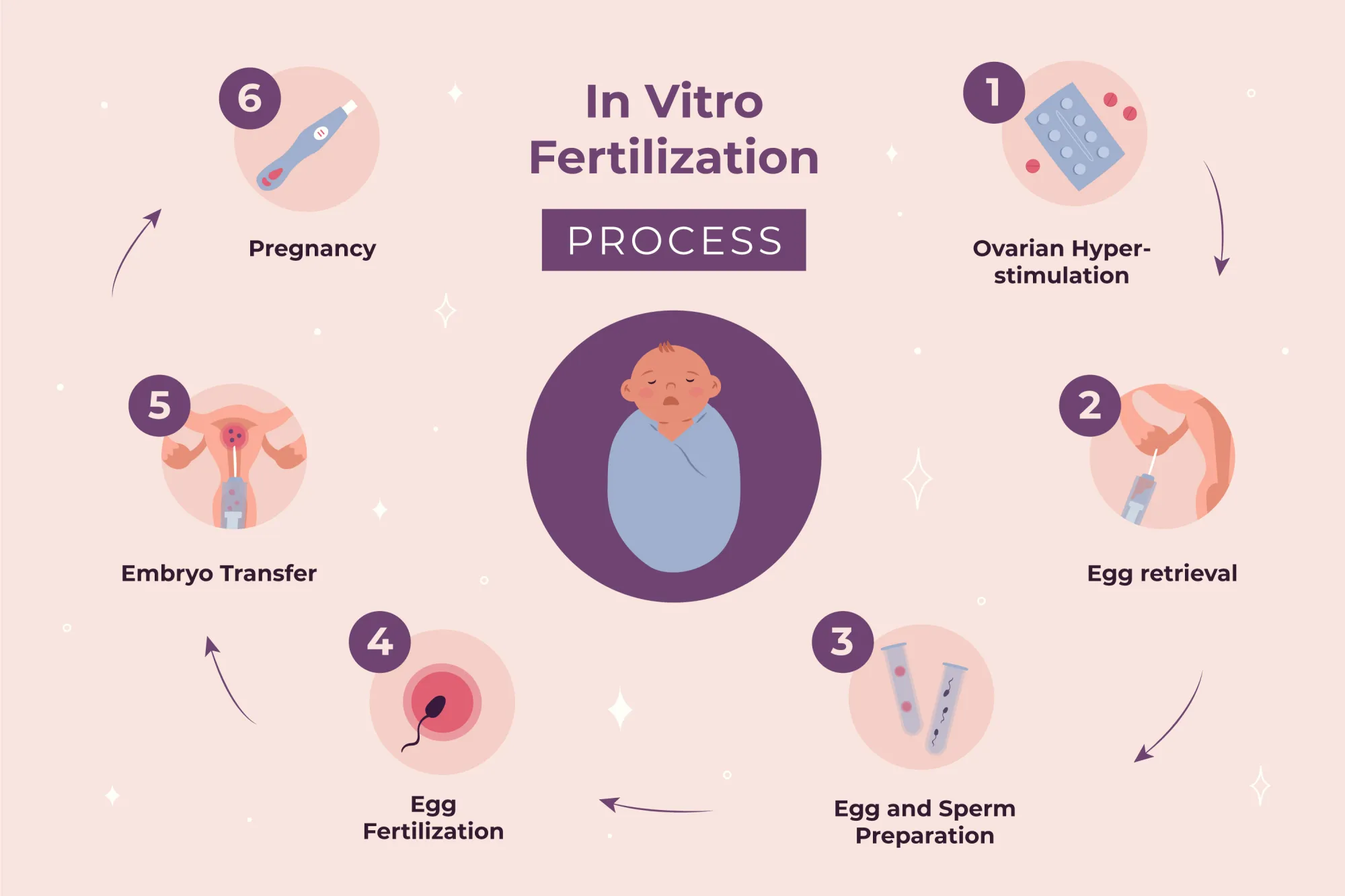
- Treatment Planning: If the fertility test reveals issues such as hormonal imbalances or ovarian reserve concerns, your doctor can recommend appropriate treatments like fertility medication or assisted reproductive technologies (ART) such as IVF.
What Can a Fertility Test for Women Reveal?
A fertility test for women can provide valuable information about your ability to conceive. Here are some insights that a fertility test can offer:
- Ovulation Status: A fertility test can determine whether you are ovulating regularly, which is essential for conception. Irregular ovulation can indicate conditions like PCOS, thyroid disorders, or stress.
- Egg Quality: Tests such as ovarian reserve testing can give you an estimate of your egg quality. This is important because egg quality declines with age, and low-quality eggs can affect your chances of conception.
- Hormonal Imbalance: Blood tests can reveal hormonal imbalances that may be preventing pregnancy. Conditions like low progesterone or high FSH levels can interfere with conception and may require medical treatment.
When Should You Take a Fertility Test for Women?
If you’ve been trying to conceive for over a year without success, it might be time to consider a fertility test for women. However, if you are over the age of 35, it's recommended to consult a doctor sooner, as fertility naturally declines with age.
If you experience irregular periods, severe menstrual pain, or have a history of health conditions that might affect fertility (such as endometriosis or fibroids), it’s a good idea to undergo testing earlier. Early detection can help in identifying potential issues before they become more difficult to address.
Frequently Asked Questions (FAQ)
What is the best fertility test for women?
The best fertility test depends on individual circumstances, but common tests include blood tests for hormone levels, ultrasounds, and ovarian reserve testing.
How long does a fertility test take?
The duration of a fertility test can vary, but blood tests typically take a few days to get results, while ultrasound and HSG tests may take one visit.
Can a fertility test detect PCOS?
Yes, certain fertility tests like blood tests and ultrasounds can help diagnose polycystic ovary syndrome (PCOS), which can affect ovulation and fertility.
How accurate are fertility tests for women?
Fertility tests are generally reliable, but they provide a snapshot of reproductive health at a specific point in time. They may not predict the future success of conception.
Can I take a fertility test at home?
There are at-home fertility tests available that measure hormone levels, but they are not as comprehensive as tests conducted by a healthcare professional.
How much do fertility tests cost?
The cost of fertility tests can vary depending on the type of test and location. It’s best to check with your healthcare provider for specific pricing.
Conclusion
A fertility test for women is an important step in understanding your reproductive health and ensuring that you are taking the right steps toward starting a family. By knowing your fertility status, you can make informed decisions about your next steps, whether that means pursuing treatment or gaining peace of mind. Regular testing, especially if you are experiencing difficulties or have concerns about your reproductive health, can significantly impact your chances of conception.

























Sign in to leave a comment.