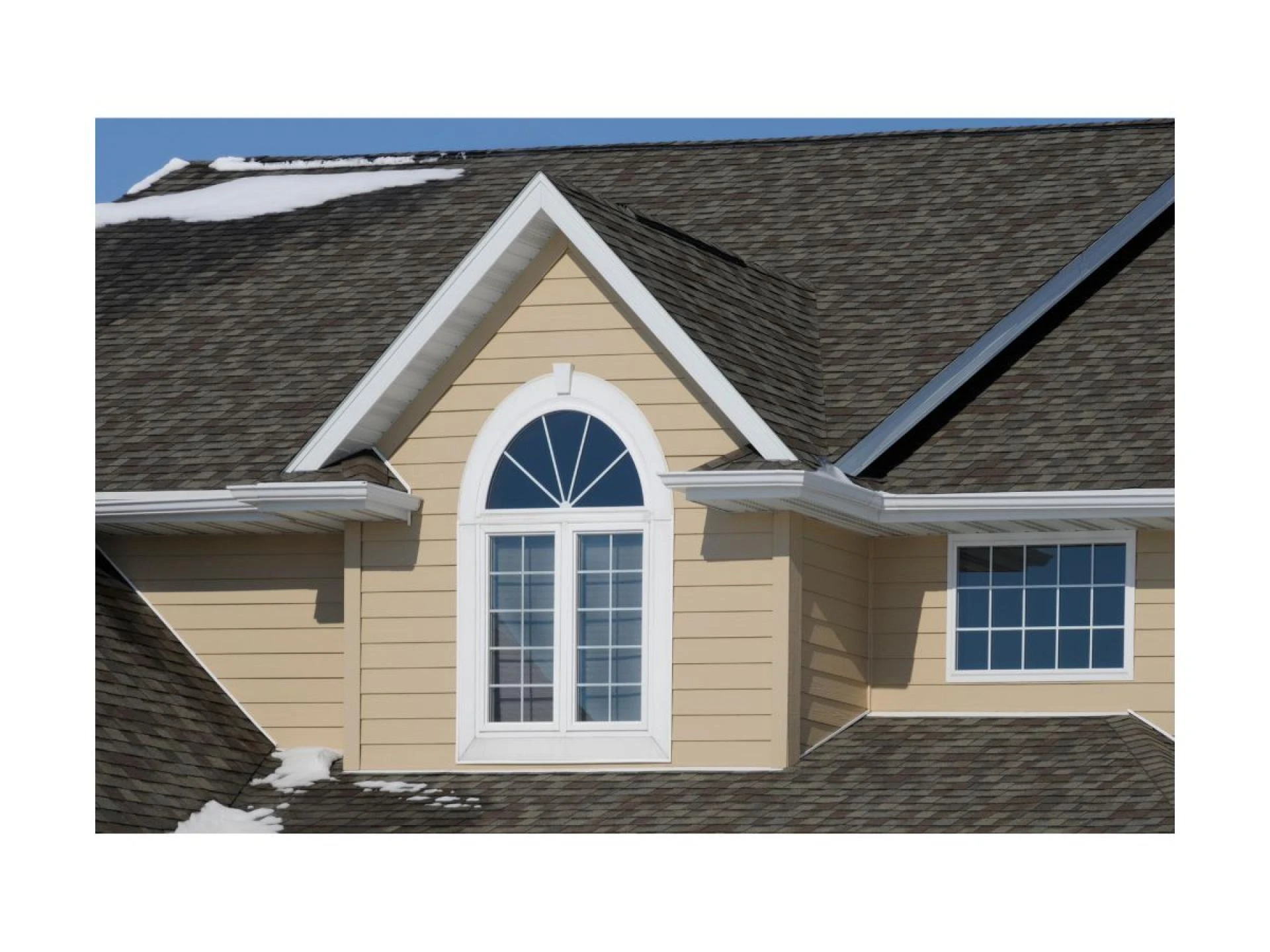

Living in Saskatchewan means living through some of the most dramatic weather shifts on the planet. In the heat of July, Regina can feel like a furnace with temperatures climbing toward +35°C. By January, that same street can feel like the surface of another planet as the mercury plunges to -40°C.
For homeowners, these numbers aren’t just a matter of discomfort; they are a direct threat to the exterior of the house. The constant expansion and contraction of building materials can lead to cracks, warping, and moisture issues. When you are looking for a reliable Construction company in Regina, the first question usually isn’t about the color of the house, but about what material will actually survive the next decade of prairie winters.
Two materials dominate the market today: vinyl and fiber cement. Each has its own set of strengths and weaknesses when faced with the "Saskatchewan swing."
The Case for Vinyl Siding: Flexibility and Value
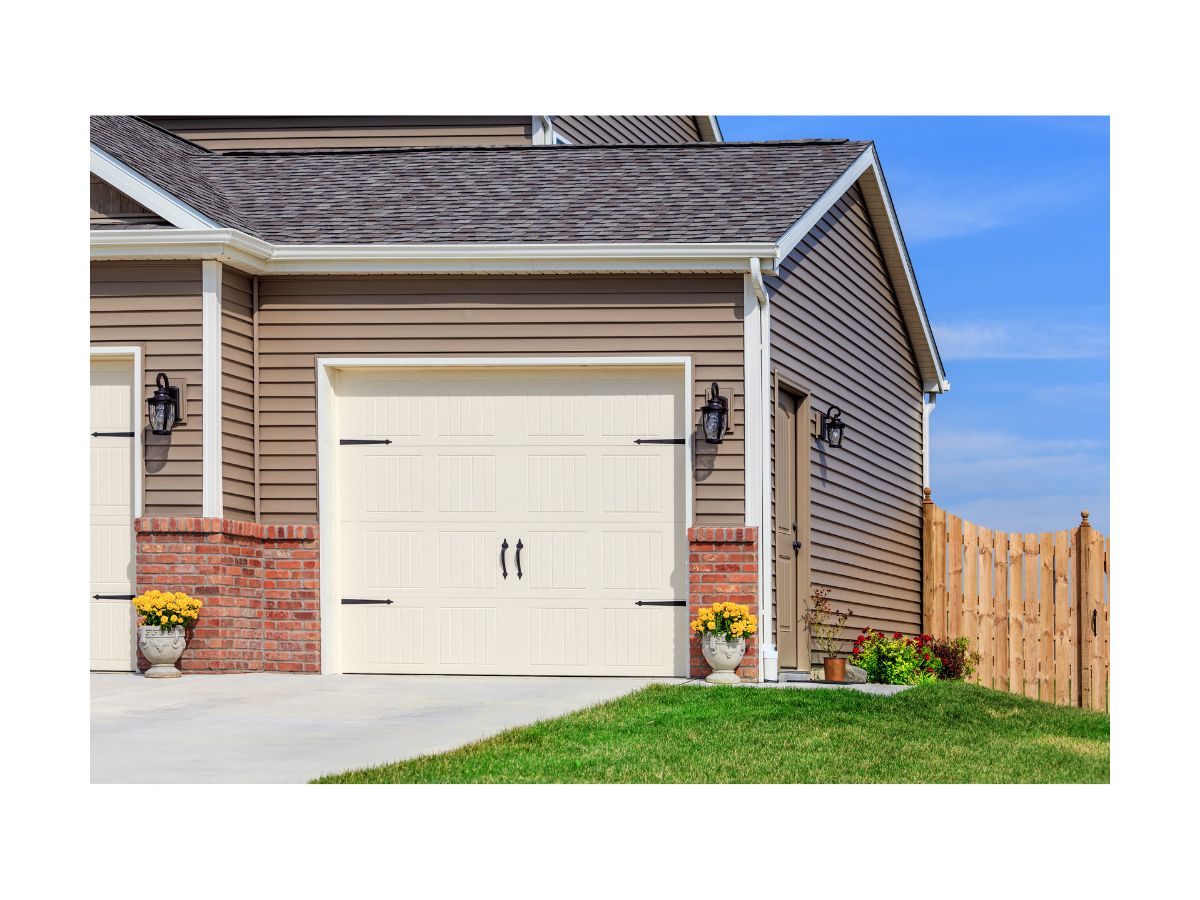
Vinyl has been the go-to choice for decades. It is cost-effective and comes in a nearly infinite array of colors. But how does it handle the extreme cold?
- Flexibility: Because vinyl is a form of plastic, it is designed to expand and contract. When installed correctly by professionals, it "floats" on the wall, allowing it to move as the temperature changes.
- Moisture Resistance: It is excellent at shedding rain and snow, which is vital during the spring thaw when moisture is everywhere.
- Low Maintenance: You never need to paint it. A quick wash with a garden hose usually does the trick.
However, vinyl has a "brittleness" factor. When the temperature hits -30°C, vinyl becomes very hard and less impact-resistant. If a stray hockey puck or a large hailstone hits frozen vinyl, it is much more likely to crack or shatter compared to when it is warm. For many local home builders in Regina, vinyl remains the standard for starter and mid-range homes because of its incredible value and ease of replacement.
The Case for Fiber Cement: The Heavyweight Contender
Fiber cement (often known by the brand name James Hardie) is a mix of wood pulp, cement, and sand. It is significantly thicker and heavier than vinyl, and its performance in extreme weather is legendary.
- Thermal Stability: Unlike vinyl, fiber cement does not expand or contract significantly. This means the gaps at the joints stay consistent, and the caulking stays intact longer.
- Impact Resistance: Whether it is +30°C or -30°C, fiber cement remains tough. It can withstand hail and wind-blown debris that would easily dent or crack other materials.
- Fire Rating: One of the biggest advantages is that it is non-combustible. In a dry prairie climate, this added layer of safety is a major selling point.
- Aesthetics: It mimics the look of real wood siding almost perfectly, giving a home a high-end, custom feel.
The trade-off? It is more expensive than vinyl and requires a more labor-intensive installation process. It also requires painting eventually, though modern factory finishes are rated to last nearly 15 to 20 years.
Temperature Fluctuations: The Real Test
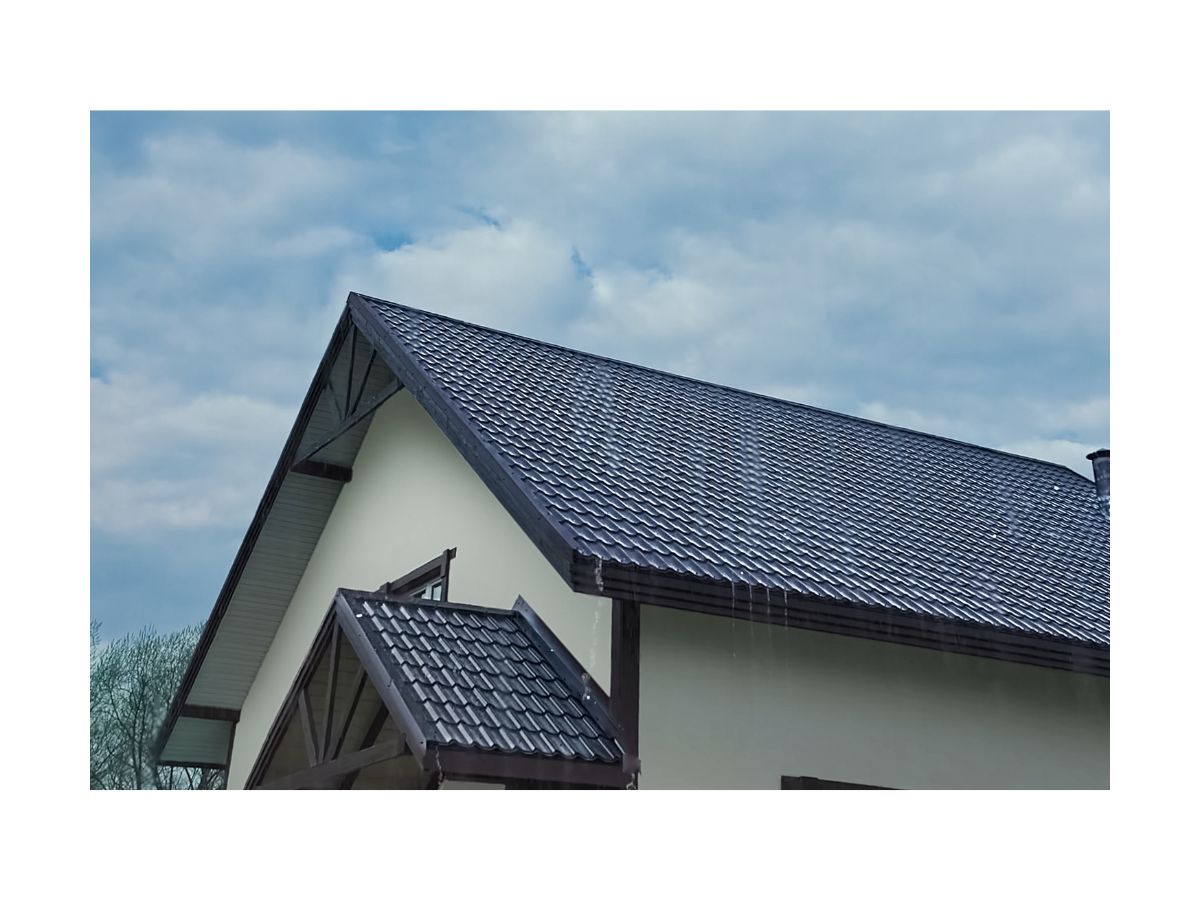
In Regina, the "freeze-thaw" cycle is the real enemy. When ice gets behind siding and then melts and refreezes, it can pull panels away from the wall.
Vinyl handles this by being lightweight and easy to adjust. However, if the siding was nailed too tightly to the house, the summer heat will cause it to buckle and "oil-can," creating unsightly waves in the wall.
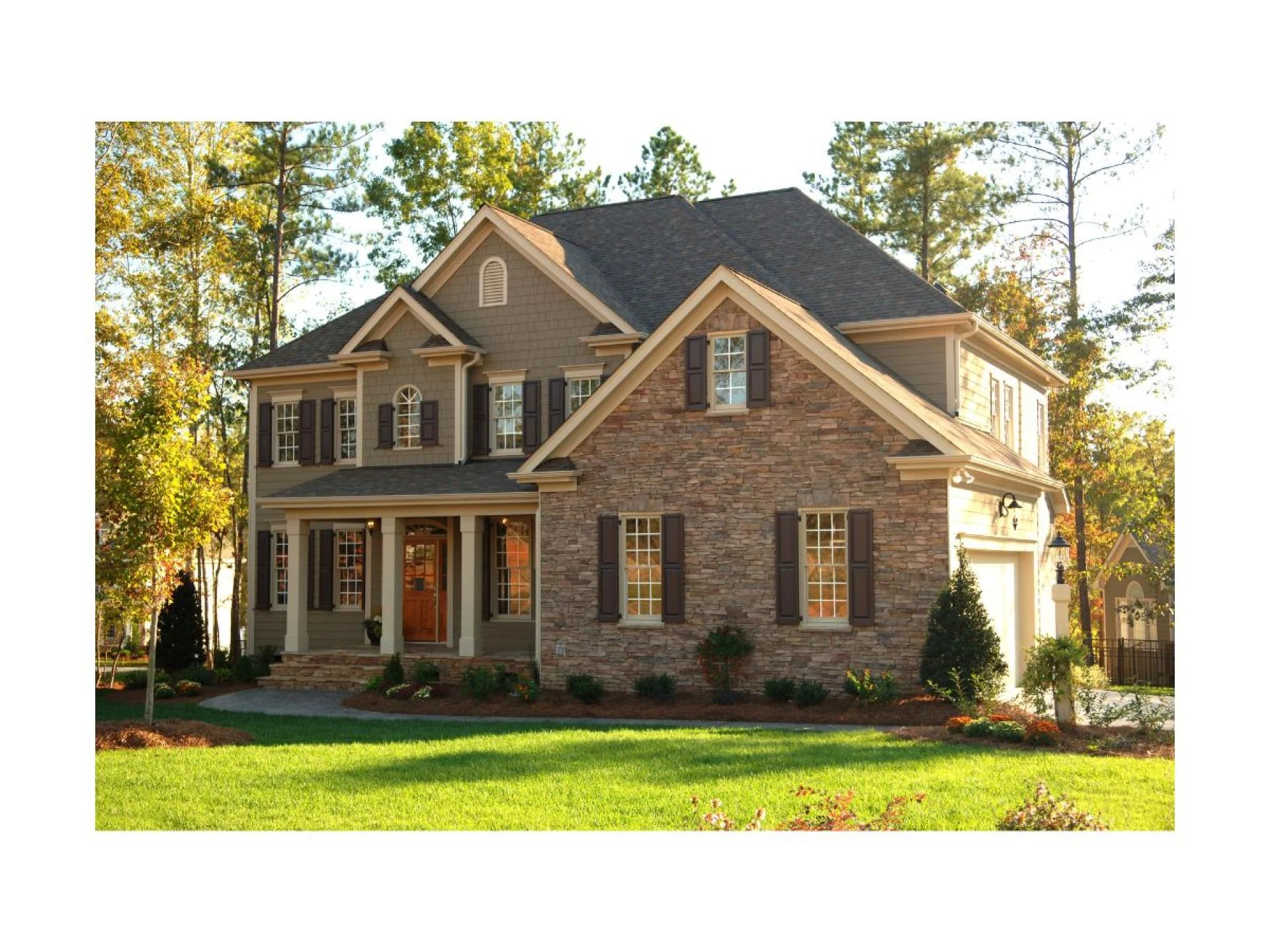
Fiber cement avoids the buckling issue because of its density. It stays flat and true regardless of the sun’s intensity. This is why many custom home projects and high-end renovations in the city are shifting toward fiber cement. It offers a level of "set it and forget it" durability that appeals to people who plan on staying in their homes for 20 years or more.
Making the Right Choice for Your Project
So, which one should you choose? It often comes down to your budget and your long-term goals.
- Choose Vinyl if: You are looking for an affordable update, want a wide variety of colors without the need for future painting, and want a material that has a proven track record of handling the prairie wind.
- Choose Fiber Cement if: You want the highest possible curb appeal, superior fire resistance, and a material that won't crack during a -40°C hail storm.
Regardless of the material, the quality of the installation is what matters most. Siding is only as good as the barrier behind it. Professional installers ensure that the house wrap, flashing, and drainage planes are all working together to keep the structure dry.
Whether you are working with an established Construction company in Regina or consulting with local home builders in Regina on a new build, make sure to ask about the specific grades of siding they use. Not all vinyl is created equal, and not all fiber cement is rated for northern climates. Investing in the right exterior today is the best way to ensure your home remains a sanctuary, no matter what the Saskatchewan sky throws at it.






















Sign in to leave a comment.