The Challenge of Working with Fiber Optics
Fiber optics are the backbone of modern communication. From internet networks to telecom, data centers to cable TV, fiber keeps the world connected.
But here’s the problem technicians often face serious pain points,
- Not knowing where a fault is located.
- Inconsistent signal strength.
- Wasting time on trial and error testing.
- Lacking the right tools to certify and troubleshoot fiber lines.
This is why fiber optic test equipment is so important. It doesn’t just make the job easier, it ensures reliability, speed, and safety in every fiber optic project.
The Pain Points Technicians Face and How Test Equipment Solves Them
1. Finding Fiber Breaks or Faults
Pain point: Locating a break or bend in a long fiber cable is nearly impossible without the right tool.
Solution: An OTDR fiber tester (Optical Time Domain Reflectometer) identifies the exact location of breaks, bends, or splices. Instead of wasting hours, you find the issue in minutes.
2. Inconsistent Signal Strength
Pain point: A weak or unstable signal affects internet speed and service quality, leading to customer complaints.
Solution: A fiber optic power meter measures the power levels in the fiber link, ensuring the signal strength is where it needs to be.
3. Trial and Error Testing
Pain point: Without proper fiber optic testers, technicians spend too much time testing connections manually.
Solution: Advanced fiber optic test equipment gives accurate readings instantly, reducing errors and saving valuable time.
4. Difficulties in Certification
Pain point: Companies require proof that fiber lines are working to industry standards. Without proper tools, technicians can’t provide reliable certification.
Solution: Professional fiber optic testers provide documented results, ensuring projects pass inspections and meet customer requirements.
5. Costly Downtime
Pain point: Every minute of fiber downtime can cost businesses thousands of dollars.
Solution: With quick troubleshooting using an OTDR fiber tester or fiber optic power meter, technicians restore service faster and minimize downtime costs.
Essential Types of Fiber Optic Test Equipment
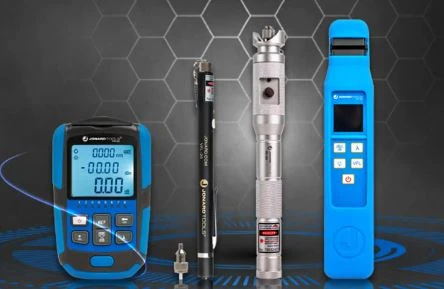
- OTDR Fiber Tester: The most important tool for locating breaks and analyzing the length and quality of fiber.
- Fiber Optic Power Meter: Measures signal strength to confirm proper performance.
- Visual Fault Locator (VFL): A handheld tester that shines a red laser light to detect bends or breaks in fiber.
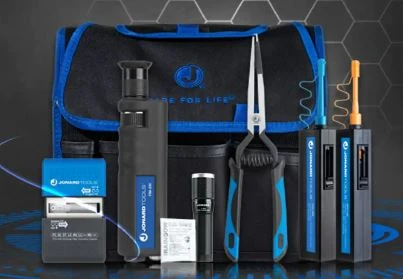
- Fiber Optic Inspection Microscope: Ensures connectors are clean and free from dust, which is a common cause of poor performance.
Each tool addresses a specific pain point, but together, they form a complete solution for reliable fiber optic installation and maintenance.
Why Investing in Fiber Optic Test Equipment Matters
- Accuracy: No more guessing to get exact data.
- Efficiency: Finish jobs faster with fewer errors.
- Reliability: Deliver consistent results for customers.
- Professionalism: Show that you’re equipped with the right tools for the job.
Using the wrong equipment not only slows you down, it can also lead to poor service, customer dissatisfaction, and repeat failures.
Real World Example: How Test Equipment Saves Time
Imagine a technician sent to fix a fiber outage for a data center. Without the right tools, they may spend hours splicing cables and testing connections.
With an fiber test equipment, the fault is pinpointed within minutes. A fiber optic power meter then confirms the repair is successful. The difference? Hours of wasted effort reduced to a single precise operation.
How to Choose the Right Fiber Optic Test Equipment
When selecting fiber optic testers, consider:
- Application: Are you working in telecom, data centers, or field repairs?
- Accuracy Needed: For high-performance networks, advanced testers like OTDRs are essential.
- Portability: Handheld testers are perfect for fieldwork.
- Budget vs. Value: Cheap tools might fail, but professional-grade equipment lasts longer and ensures accuracy.
Final Thoughts: Smarter Testing, Better Performance
Fiber optics demand precision. Without the right fiber optic test equipment, technicians face constant frustration guessing where faults are, redoing work, and dealing with unhappy customers.
But with reliable tools like an OTDR fiber tester, fiber optic power meter, and other advanced fiber optic testers, these pain points disappear. The result? Faster fixes, stronger signals, and more reliable networks.
Explore our full range of fiber optic test equipment today and work smarter, not harder.

























Sign in to leave a comment.