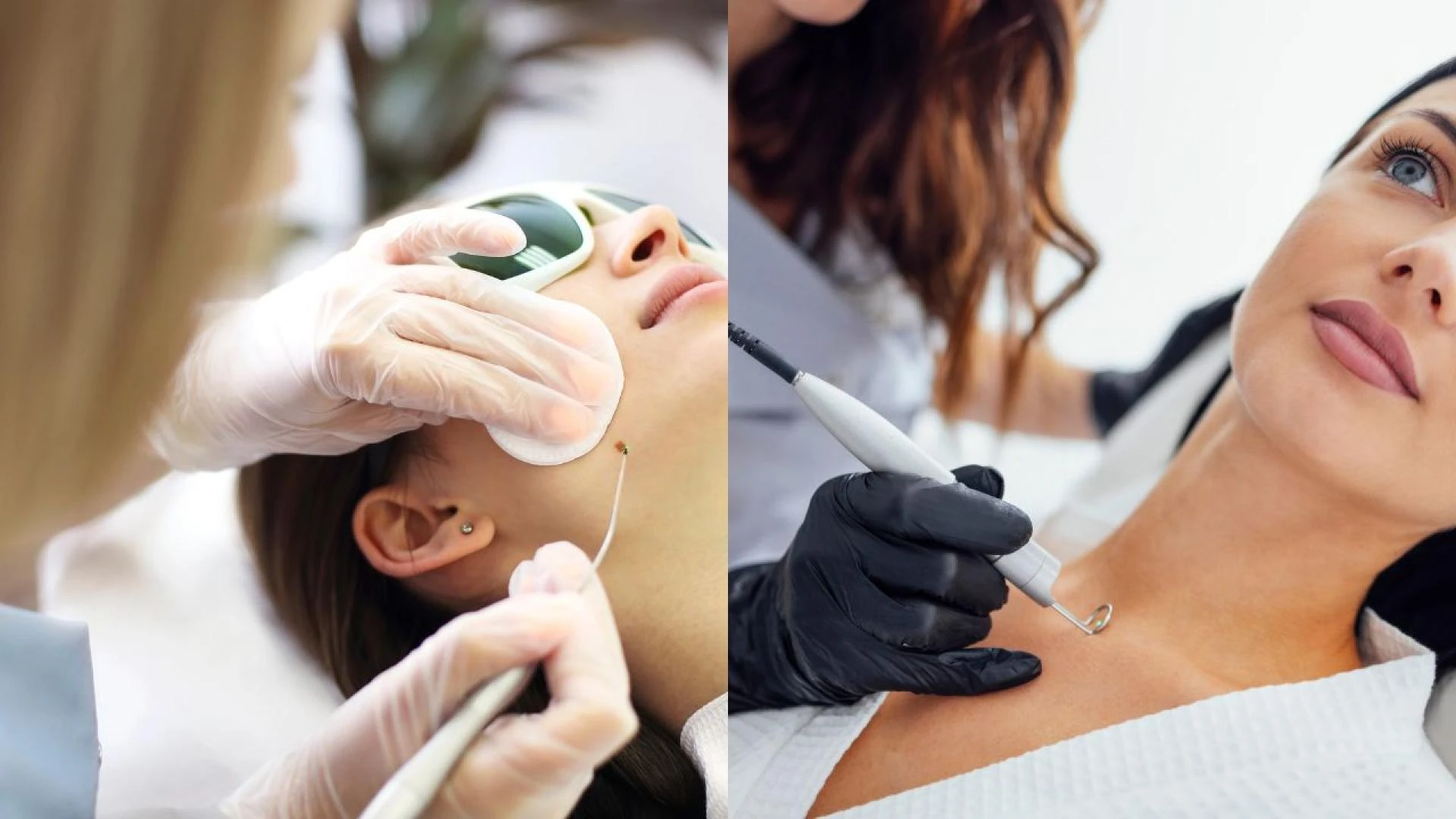

Moles are common skin growths that most people develop at some point in life. While many are harmless, others can become a cosmetic concern or raise health-related questions. If you’ve ever typed “mole removal near me” into a search engine, chances are you’re seeking a safe, effective, and professional solution close to home.
What Is a Mole?
A mole, medically known as a nevus, is a cluster of pigmented cells that appears as small, dark spots on the skin. They can be flat or raised, and their color may vary from brown to black, or even pink. Most moles are non-cancerous, but changes in their shape, size, or color may require medical attention.
Reasons People Seek Mole Removal
There are several valid reasons why someone might consider removing a mole:
- Cosmetic concerns – A mole in a visible area, such as the face, neck, or arm, may affect confidence.
- Discomfort – Raised moles can catch on clothing or jewelry, causing irritation.
- Uncertainty – Unusual moles may cause anxiety, especially if they have changed recently.
- Health reasons – Suspicious moles should be evaluated for signs of skin cancer.
Whatever your reason, searching for mole removal near me is the first step toward smoother, clearer, and healthier-looking skin.
Types of Mole Removal Services Offered
Clinics offering mole removal often provide a range of services to suit different needs. Here are the most common methods used by professionals:
1. Surgical Excision
This method involves cutting out the mole and stitching the skin. It's typically used for deeper moles or those that require histological examination. Healing takes around 1–2 weeks.
2. Shave Excision
Here, the mole is shaved off flush with the skin using a surgical blade. It's ideal for raised moles that don't go deep beneath the skin’s surface.
3. Laser Mole Removal
Laser treatments use focused light to break down pigment in the mole. This non-invasive option is best for flat, pigmented moles and leaves minimal scarring.
4. Cryotherapy
In this method, the mole is frozen using liquid nitrogen, causing the cells to die and fall off. It's fast but may require multiple sessions depending on the mole’s depth.
The Process: What to Expect
If you’re considering visiting a skin clinic, here’s a step-by-step outline of what you can expect from your mole removal service:
Step 1: Initial Consultation
At your first appointment, the specialist will examine the mole and determine whether it's benign. If it appears suspicious, they may recommend a biopsy before proceeding.
Step 2: Treatment Planning
Once it’s deemed safe to remove, the practitioner will recommend a removal method suited to the mole’s type, location, and depth.
Step 3: The Procedure
Depending on the method chosen, the process may involve local anesthesia to numb the area. The treatment typically takes 15–30 minutes.
Step 4: Aftercare
After removal, the area is cleaned, and a bandage is applied. You’ll receive aftercare instructions, such as:
- Keep the area clean and dry
- Apply antibiotic ointment if recommended
- Avoid sun exposure to minimize scarring
- Monitor healing and return if you notice changes
Benefits of Professional Mole Removal
Choosing professional services ensures a safe and effective experience. Here are some of the advantages:
- Medical expertise to assess whether removal is appropriate
- Access to advanced tools like lasers and cryotherapy
- Minimal scarring with correct technique
- Reduced risk of infection through sterile environments
- Peace of mind through proper mole examination
When you’re searching for mole removal near me, make sure the clinic has qualified dermatologists or aesthetic professionals with experience in skin procedures.
Is Mole Removal Painful?
Thanks to local anesthesia, most mole removal treatments are virtually painless. You might feel a slight pinch during the injection, but the rest of the procedure should be comfortable. Post-procedure, you may experience mild soreness, redness, or scabbing, which typically resolves in a few days.
How Much Does Mole Removal Cost?
Pricing for mole removal varies depending on:
- The removal method used
- The number of moles being treated
- The clinic’s location and reputation
- Whether histological analysis is needed
Many clinics offer consultations to discuss costs upfront. While affordability is important, prioritize quality and hygiene when selecting a provider.
How to Choose the Right Clinic
Not all clinics are the same. When looking for “mole removal near me,” consider these key factors:
- Licensed medical professionals: Ensure treatments are performed by dermatologists or certified practitioners.
- Positive reviews: Look for testimonials from previous clients.
- Modern equipment: Clinics using laser or cryo tools typically provide cleaner and less invasive treatments.
- Consultation process: A thorough consultation shows the clinic values your health and satisfaction.
Beautiful Beings Clinic, for example, is known for combining modern skin care treatments with a personalized approach, making it a trusted option for those in search of high-quality mole removal services.
What About At-Home Mole Removal Kits?
While tempting due to their low cost and convenience, at-home kits carry significant risks:
- Potential for infection due to non-sterile conditions
- Incomplete removal of the mole
- The risk of removing a mole that may be cancerous
- High chance of scarring or skin damage
Professional mole removal is always the safest route when it comes to your skin and overall health.
Healing and Scarring: What You Should Know
After mole removal, healing time depends on the method used. Here’s a general timeline:
- Shave excision: Heals within 7–10 days
- Surgical excision: Takes 10–14 days, with stitches removed around day 7
- Laser: Minimal downtime, with full results visible in a few weeks
- Cryotherapy: Heals in about 10–14 days, often with minor crusting
To reduce scarring:
- Keep the area moisturized with petroleum jelly
- Avoid picking or scratching the scab
- Apply sunscreen regularly
- Follow all aftercare instructions
Are There Any Risks Involved?
Like any minor medical procedure, mole removal carries a few risks, including:
- Mild bleeding
- Infection (rare when proper aftercare is followed)
- Temporary discoloration
- Minor scarring
These risks are significantly reduced when the procedure is carried out by experienced professionals in a clinical setting.
Frequently Asked Questions (FAQs)
Q: Can all moles be removed?
A: Most moles can be removed safely, but some may require further medical analysis before treatment.
Q: Will the mole grow back?
A: If the mole isn’t fully removed or if it's deep-rooted, it may recur. However, this is rare when done by a qualified specialist.
Q: Can mole removal prevent skin cancer?
A: While removing a mole doesn’t prevent cancer, identifying and removing potentially abnormal moles can aid in early detection and intervention.
Q: Will I need multiple sessions?
A: Most moles are removed in a single session. However, deeper or multiple moles might require follow-ups.
Clear Skin Starts with the Right Care
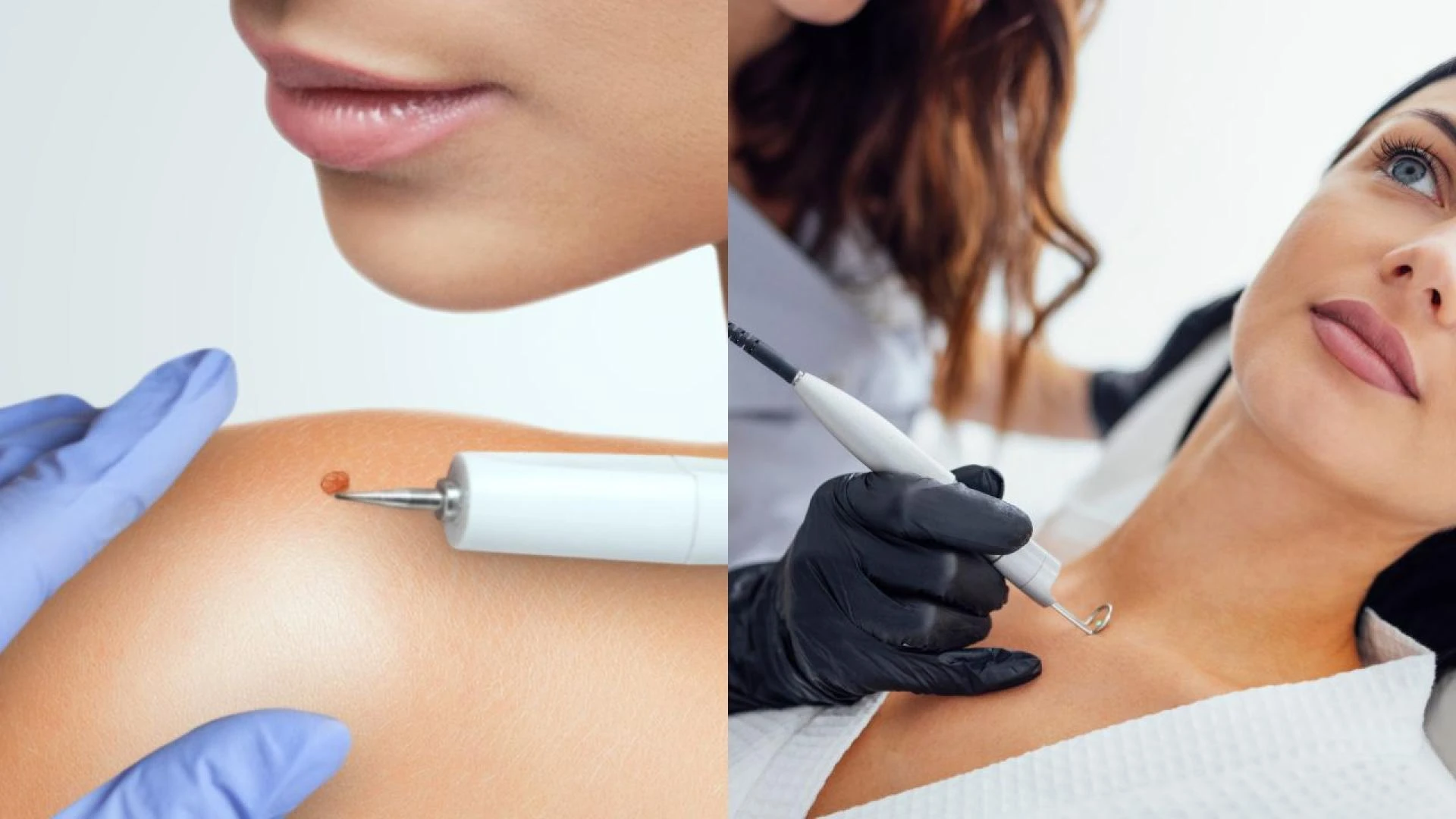
Finding reliable mole removal near me is more than a cosmetic decision; it’s about self-care, confidence, and sometimes even early disease detection. With professional treatment, you can ensure your skin not only looks better but is also treated safely and effectively.
Whether your reason is cosmetic, comfort, or peace of mind, seeking mole removal services from a trusted clinic like Beautiful Beings Clinic can make all the difference. Always consult a qualified practitioner, understand your options, and take the first step toward healthier, blemish-free skin.































Sign in to leave a comment.