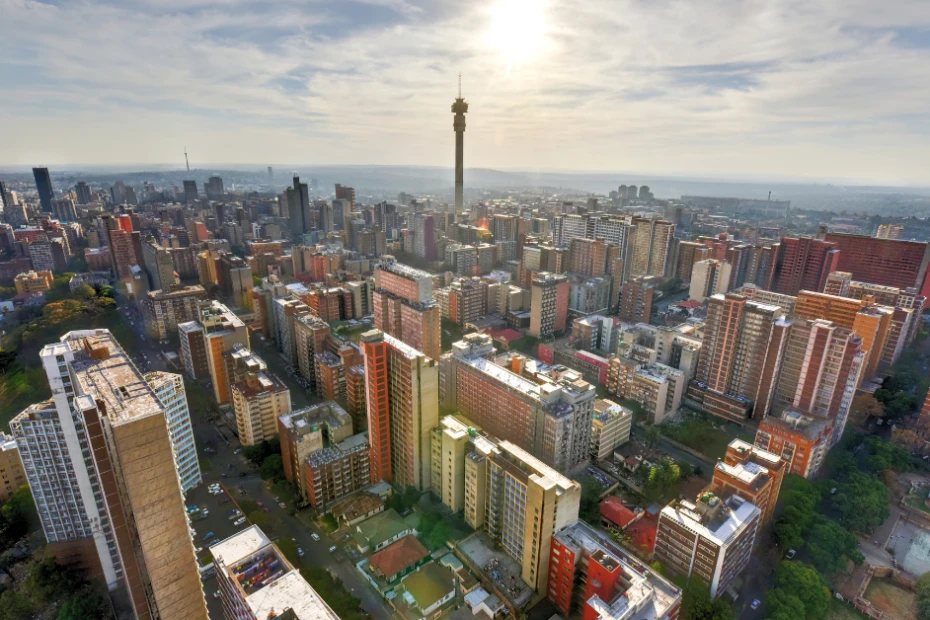

Johannesburg is the biggest city in South Africa and the economic heartbeat of the country. Millions of people call it home, and thousands more move here every year looking for work, education, and opportunity. With so many people needing places to stay, the rental market is always active. Knowing what to expect and how to search makes finding a home much easier.
Apartments to rent in Johannesburg come in all shapes and sizes. From small bachelor units to spacious family apartments, there is something for almost every budget. The city spreads across a massive area, so location and price vary widely depending on which neighbourhood you choose.
Understanding the Johannesburg Rental Market
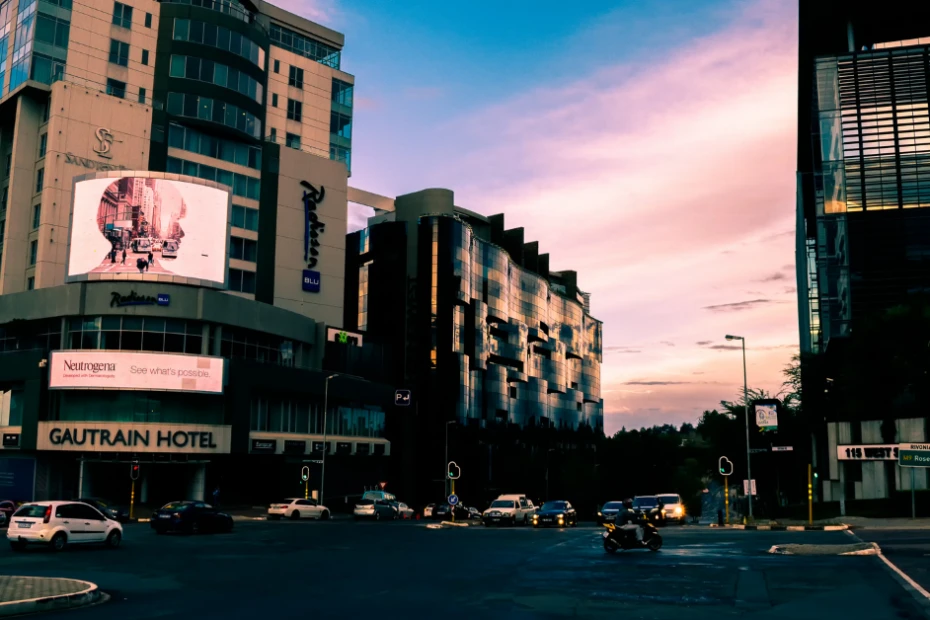
The rental market in Johannesburg works differently depending on where you look. Northern suburbs like Sandton, Rosebank, and Fourways tend to have higher rental prices. These areas offer newer buildings, better security, and easy access to shopping centres and offices. Young professionals and families with higher incomes often prefer these neighbourhoods.
The inner city and surrounding areas tell a different story. Rental prices are generally lower, making them attractive for people starting out or working with tighter budgets. The CBD has seen significant investment in recent years, with older buildings being renovated into modern living spaces. Flats to rent in Johannesburg CBD offer the advantage of being close to public transport, including the Gautrain and various bus routes.
Eastern areas like Bedfordview and Germiston attract renters who want to be closer to OR Tambo International Airport. These suburbs offer a mix of houses and apartment complexes at prices that fall between the expensive north and the more affordable inner city.
Western suburbs like Roodepoort and Randburg provide another option. These areas have grown rapidly and now include many apartment complexes and townhouse developments. They offer a balance of affordability and access to amenities.
What to Look for When Renting
Finding flats to rent involves more than just picking the first place you see. Several factors should influence the decision.
Security tops the list for most renters in Johannesburg. Look for buildings with controlled access, security guards, and CCTV cameras. Ask about the security measures in place and whether there have been any incidents recently. A cheaper flat in an unsafe building is no bargain.
The condition of the unit matters. Check for signs of water damage, faulty electrical outlets, and plumbing issues. Turn on taps, flush toilets, and test light switches during viewings. Problems spotted before signing a lease are much easier to address than those found after moving in.
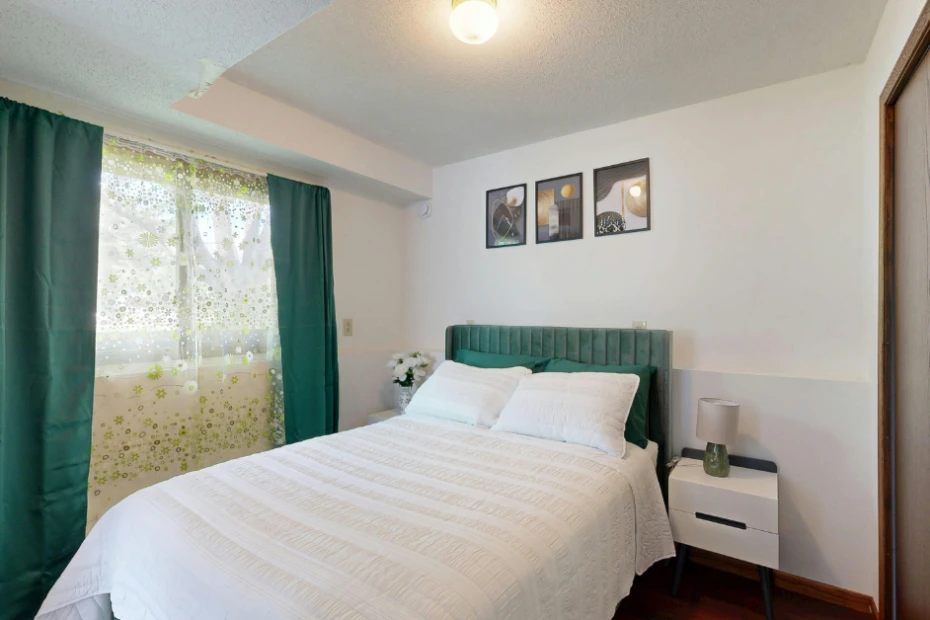
Natural light and ventilation affect comfort and electricity costs. A dark flat needs lights on all day, adding to the monthly power bill. Good airflow reduces the need for fans or air conditioning during hot months.
Storage space is often overlooked. South African homes tend to have less built-in storage than properties in other countries. Look at cupboard space in bedrooms and the kitchen. A flat with no storage means buying wardrobes and shelving, which adds to moving costs.
Parking arrangements need attention. Some buildings include parking in the rent. Others charge extra or have limited spaces that work on a first-come basis. If you own a car, knowing the parking situation upfront prevents frustration later.
The Application Process
Renting apartments to rent in South Africa typically requires documentation and deposits. Being prepared speeds up the process.
Landlords and property managers usually ask for proof of income. This can be recent payslips, a letter from your employer, or bank statements showing regular deposits. Self-employed individuals may need to provide tax returns or audited financial statements.
A copy of your ID document is standard. Some landlords also run credit checks to assess whether you are likely to pay rent on time. A poor credit record can make renting harder, though some landlords are more flexible than others.
Deposits are the norm. Most landlords require a deposit equal to one or two months’ rent. This money is held as security against damage to the property or unpaid rent. When the lease ends and the flat is returned in good condition, the deposit should be refunded.
Read the lease carefully before signing. Pay attention to clauses about notice periods, maintenance responsibilities, and what happens if you need to end the lease early. Asking questions about anything unclear is better than discovering surprises later.
Living in the CBD
Flats to rent in Johannesburg CBD have become popular among young workers who want to live close to their jobs. The inner city offers a lifestyle that differs from the suburbs.
Public transport access is a major advantage. The Gautrain station at Park Station connects to Sandton, Rosebank, Pretoria, and the airport. Bus routes and minibus taxis serve most areas. Living in the CBD can mean leaving the car at home and saving on petrol and parking costs.
Walking to work, shops, and entertainment venues appeals to many inner-city residents. The CBD has grocery stores, restaurants, gyms, and markets within walking distance of most residential buildings. This convenience suits people who prefer not to depend on a car for daily errands.
The CBD does come with challenges. Noise levels are higher than in quiet suburban streets. Traffic and sirens are part of city life. Crime remains a concern, though well-managed buildings provide secure environments for residents. Choosing a reputable building with good security makes a real difference.
The social scene in the CBD attracts younger renters. Rooftop bars, live music venues, and art galleries have opened in recent years. Neighbourhoods like Braamfontein and Maboneng have become known for their creative energy and weekend markets.
Budgeting for Rental Costs
Rent is the biggest expense, but it is not the only one. Planning for the full cost of renting prevents financial strain.
Water and electricity may or may not be included in the rent. Some landlords include these utilities in a fixed monthly charge. Others require tenants to open their own accounts and pay based on usage. Prepaid electricity meters are common in some buildings, requiring top-ups before power is used.
Levies apply in sectional title complexes. These monthly fees cover maintenance of common areas, security services, and building insurance. Sometimes the landlord includes levies in the rent. Other times, tenants pay directly to the body corporate.
Internet and TV subscriptions add to monthly expenses. Fibre coverage has expanded in Johannesburg, with many areas now having access to fast internet. Check what options are available in the building before signing a lease.
Moving costs catch some renters off guard. Hiring a moving company, buying new furniture, and paying deposits on multiple accounts add up quickly. Setting aside extra money for the first month helps cover these once-off expenses.
Tips for a Successful Search
Start looking before you urgently need a place. Rushed decisions often lead to regret. Giving yourself a few weeks to view different options results in better choices.
View properties in person whenever possible. Photos can be misleading. Visiting in person reveals the actual condition, the noise levels, and the neighbourhood feel that pictures cannot convey.
Ask current tenants about their experience if you get the chance. Building management, maintenance response times, and neighbour relations become clearer from people who already live there. A quick chat in the lobby or parking area can provide useful insights.
Keep records of all communication with landlords and agents. Save emails, take notes during phone calls, and photograph the condition of the flat during the initial viewing. This documentation protects both parties if disputes arise later.
Trust your instincts. If something feels wrong about a property or landlord, it probably is. Walking away from a bad situation is better than signing a lease you will regret.
Making Your New Place Home
Once the lease is signed and the keys are in hand, the real work begins. Moving into a new flat takes effort, but a few steps make the transition smoother.
Do a thorough inspection on move-in day. Document any existing damage with photos and written notes. Share this with the landlord in writing so there are no disputes about the deposit when moving out.
Introduce yourself to neighbours. A friendly greeting goes a long way. Knowing who lives nearby creates a sense of community and can be helpful in emergencies.
Set up essential services right away. Electricity, water, and internet should be sorted in the first few days. Waiting too long means living without necessities that make daily life comfortable.
Personalise the space within the limits of the lease. Many landlords allow small changes like hanging pictures or adding rugs. These touches turn a generic flat into a home that reflects your personality.
Johannesburg offers plenty of options for renters at all price points. Taking time to research, ask questions, and view properties leads to finding a place that fits both needs and budget. The right flat becomes more than just somewhere to sleep. It becomes a base for building a life in South Africa’s largest city.






























Sign in to leave a comment.