
Choosing the right organic baby food is a critical decision that impacts an infant\'s health, growth, and development. As babies transition from a milk-based diet to solid foods, parents must navigate a variety of options to ensure their child receives the necessary nutrients while establishing healthy eating habits. This essay explores the key factors to consider when selecting baby food, including nutritional needs, food safety, developmental readiness, and the benefits of introducing a diverse range of foods.
Nutritional Needs and Requirements
The primary goal of baby food is to meet the specific nutritional needs of infants, who require a balanced intake of vitamins, minerals, and other essential nutrients to support their rapid growth and development.
Iron and Protein: At around six months of age, infants need additional sources of iron beyond what is provided by breast milk or formula. Iron-fortified cereals and pureed meats are excellent options to help prevent iron deficiency anemia, which can affect cognitive and physical development. Protein is also crucial for growth and tissue repair, and baby foods should include sources like lean meats, beans, and dairy.
Vitamins and Minerals: Baby food should provide essential vitamins and minerals, such as vitamin A for vision and immune function, vitamin D for bone health, and calcium for strong bones and teeth. Fortified baby cereals and fortified juices can help meet these requirements.
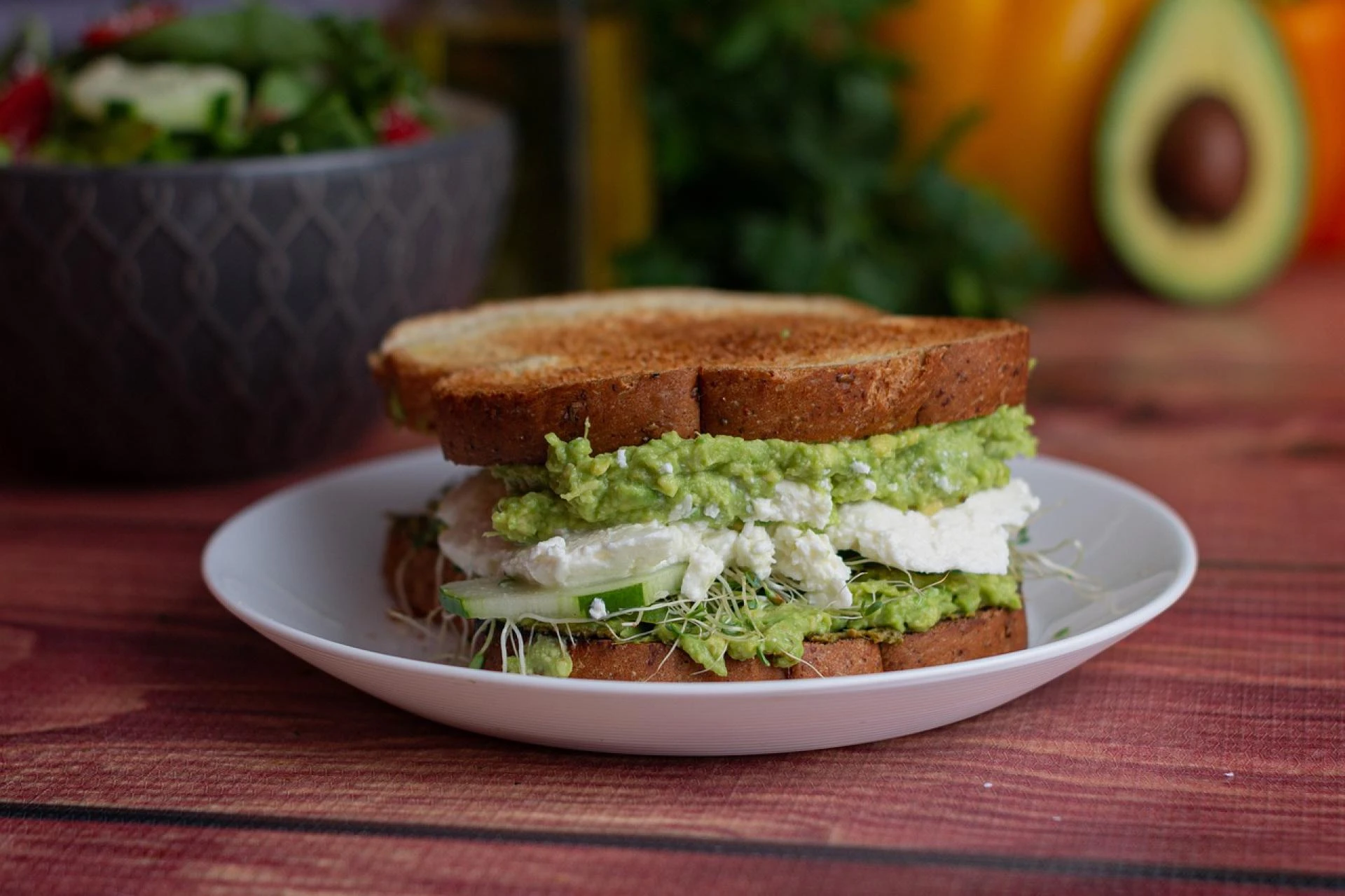
Healthy Fats: Healthy fats are important for brain development and overall health. Baby foods containing sources of healthy fats, such as avocados and full-fat dairy products, support cognitive development and provide energy.
Food Safety Considerations
Ensuring food safety is paramount when selecting baby food to protect infants from potential health risks.
Avoiding Additives and Contaminants: Opt for baby foods that are free from artificial colors, flavors, and preservatives. These additives can be harmful to an infant\'s developing digestive system and overall health. Organic baby foods are often a good choice as they avoid synthetic pesticides and GMOs.
Storage and Preparation: Whether choosing commercial or homemade baby food, proper storage and preparation are essential. Store baby food in clean, airtight containers and follow guidelines for refrigerating or freezing. When preparing homemade baby food, ensure that ingredients are thoroughly washed and cooked to avoid contamination.
Read Labels Carefully: For commercial baby foods, read labels carefully to check for potential allergens and ensure that the product meets nutritional standards. Look for labels that indicate age appropriateness and any fortification with essential nutrients.
Developmental Readiness
Introducing solid foods should align with the baby’s developmental stage to ensure they can handle and benefit from new textures and flavors.
Signs of Readiness: Most babies are ready for solids around six months of age, but signs of readiness can vary. Look for signs such as sitting up with minimal support, showing interest in food, and the ability to move food from the front to the back of the mouth.
Gradual Introduction: Start with single-ingredient purees to identify any potential allergies or sensitivities. Gradually introduce more complex textures and combinations as the baby becomes accustomed to eating solids.
Allergy Considerations: Introduce new foods one at a time and wait a few days before adding another new food. This approach helps identify any potential allergic reactions and allows for easier tracking of sensitivities.
Introducing a Diverse Range of Foods
Offering a variety of foods helps ensure that infants receive a well-rounded diet and fosters a positive attitude toward eating.
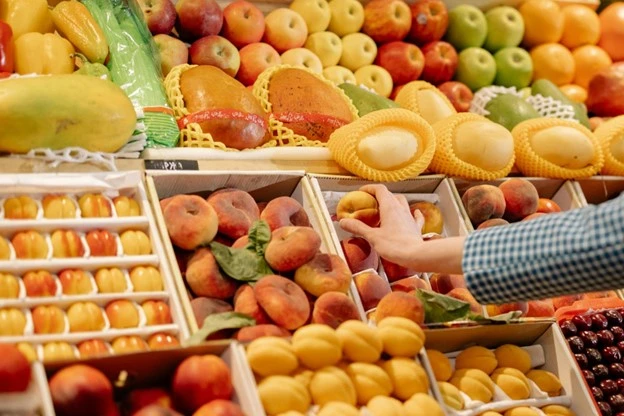
Variety and Balance: Introduce a diverse range of fruits, vegetables, grains, and proteins to provide a balanced diet and expose babies to different flavors and textures. This variety can help prevent picky eating habits and promote a preference for healthy foods.
Cultural and Family Preferences: Consider incorporating cultural and family food preferences into the baby’s diet. This can help the baby develop an appreciation for different flavors and contribute to a sense of inclusion within the family.
Homemade vs. Commercial: Both homemade and commercial baby foods have their advantages. Homemade baby food allows for complete control over ingredients and preparation, while commercial options offer convenience and often come with added nutritional fortifications. A combination of both can provide a balanced approach.
Monitoring and Adjusting
As babies grow and develop, their nutritional needs and preferences will change. Regularly monitor the baby’s growth and development and adjust their diet accordingly.
Growth Monitoring: Regular check-ups with a pediatrician can help monitor the baby’s growth and development, ensuring that their nutritional needs are being met. Your healthcare provider can offer guidance on any necessary adjustments to the baby’s diet.
Adapting to Preferences: Pay attention to the baby’s food preferences and adjust the variety of foods offered. Be patient and persistent, as it may take several tries for a baby to accept new foods.
Finding the right baby food involves carefully considering the infant\'s nutritional needs, ensuring food safety, aligning with developmental readiness, and offering a diverse range of foods. By making informed choices and paying attention to the baby’s responses and preferences, parents can provide a healthy and balanced diet that supports their child’s growth and development. Whether opting for commercial products or preparing homemade baby food, the goal is to ensure that the baby receives the best possible nutrition while fostering positive eating habits. The right approach to baby food can lay the foundation for a lifetime of healthy eating and overall well-being.
























Sign in to leave a comment.