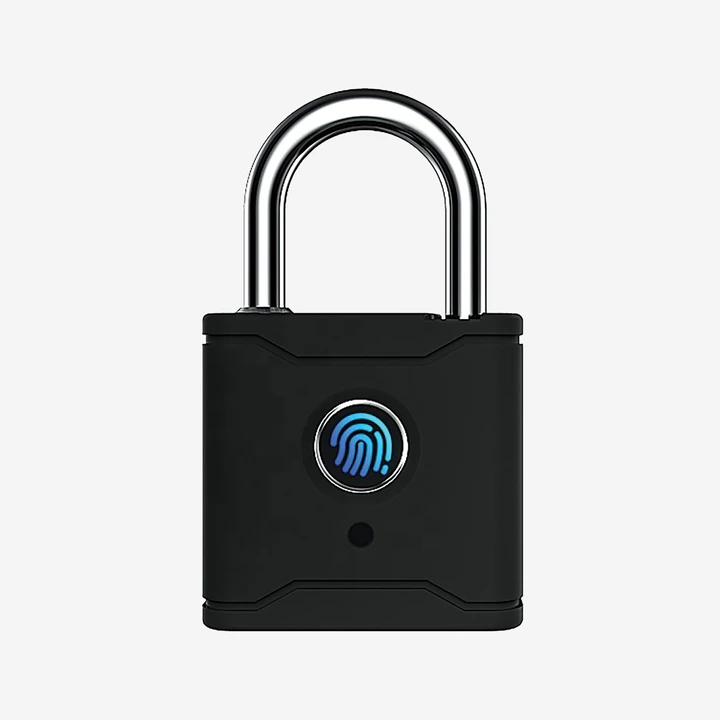

As technology continues to advance, the methods we use to secure our homes and belongings are evolving. One such innovation is the fingerprint padlock, a device that combines the convenience of biometric technology with the traditional security of a padlock. In this article, we will explore the benefits of fingerprint padlocks, how they work, and why they are becoming an increasingly popular choice for securing homes and valuables.
What is a Fingerprint Padlock?
A fingerprint padlock is a lock that uses biometric technology to unlock with the touch of a registered fingerprint. Unlike traditional padlocks that require a key or combination, fingerprint padlocks offer a quick and secure way to access your belongings with just a touch.
Benefits of Fingerprint Padlocks
Enhanced Security: Fingerprint padlocks provide a high level of security by using unique biometric data to grant access. Unlike keys or combinations that can be lost or stolen, fingerprints are unique to each individual, making unauthorized access extremely difficult.
Convenience: With a fingerprint padlock, you no longer need to carry keys or remember combinations. This makes it a convenient option for securing items like lockers, gates, and storage units.
Quick Access: Fingerprint padlocks offer quick access with just a touch. This is particularly useful in situations where you need to unlock something quickly, such as in an emergency.
Durability: Many fingerprint padlocks are designed to withstand harsh weather conditions and physical tampering. They are typically made from high-quality materials like stainless steel and hardened plastics.
Multiple Users: Most fingerprint padlocks allow for multiple users to be registered. This is ideal for shared access situations, such as family members, roommates, or coworkers needing access to the same lock.
How Fingerprint Padlocks Work
Fingerprint padlocks use biometric technology to scan and recognize fingerprints. Here’s how they typically work:
Registration: To use a fingerprint padlock, you first need to register your fingerprints. This is done by scanning your fingerprints and storing the data in the lock’s memory.
Recognition: When you touch the fingerprint sensor, the padlock scans your fingerprint and compares it to the stored data. If the fingerprint matches one of the registered prints, the lock will open.
Power Source: Fingerprint padlocks are usually powered by rechargeable batteries or replaceable batteries. Some models come with a USB port for charging.
Backup Options: Many fingerprint padlocks also come with backup access options, such as a traditional key or a numerical code, in case the biometric sensor fails or the battery dies.
Applications of Fingerprint Padlocks
Home Security: Fingerprint padlocks can be used to secure gates, sheds, and storage units, providing quick and secure access to authorized users.
Personal Belongings: Use fingerprint padlocks to secure lockers, gym bags, and suitcases, ensuring that only you have access to your personal items.
Commercial Use: Businesses can use fingerprint padlocks to secure equipment, storage rooms, and sensitive documents, allowing multiple employees to access the same lock.
Outdoor Use: Many fingerprint padlocks are designed to withstand outdoor conditions, making them ideal for securing gates, fences, and outdoor equipment.
Choosing the Right Fingerprint Padlock
Consider Security Features: Look for padlocks with advanced security features, such as anti-tampering alarms and weather-resistant designs.
Battery Life: Choose a fingerprint padlock with long battery life or convenient charging options. Some models offer low-battery indicators to alert you when it’s time to recharge.
User Capacity: If multiple people need access, choose a padlock that can store multiple fingerprints.
Build Quality: Ensure that the padlock is made from durable materials that can withstand physical tampering and harsh weather conditions.
Backup Options: Opt for a padlock that includes backup access methods, such as a traditional key or a numerical code, to ensure you can still access your belongings if the fingerprint sensor fails.
Conclusion
Fingerprint padlocks represent the future of secure access, combining the convenience of biometric technology with the reliability of traditional locks. By offering enhanced security, quick access, and ease of use, they are an ideal solution for both personal and commercial security needs. Whether you’re looking to secure your home, personal belongings, or business assets, a fingerprint padlock provides a modern and effective way to protect what matters most.
Investing in a high-quality fingerprint padlock is a step towards embracing the future of security, ensuring that your belongings are protected with the latest in biometric technology.


























Sign in to leave a comment.