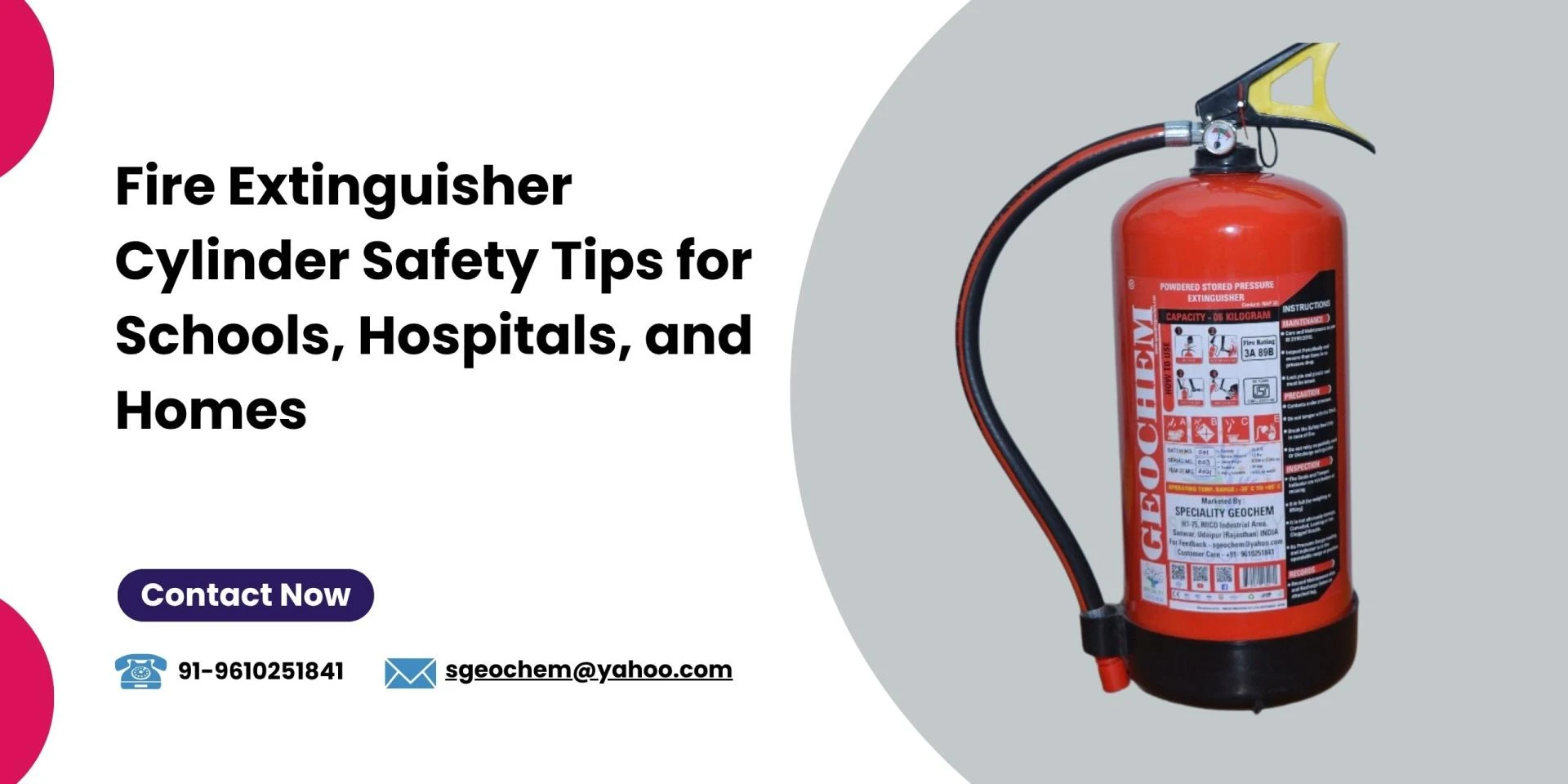

When it comes to fire safety, preparedness can make the difference between life and loss. Among all fire safety tools, fire extinguisher cylinders play a vital role in controlling flames before they spread. Whether you are managing a school, a hospital, or a home, knowing how to handle and maintain these devices can save lives and property. In this blog, we’ll discuss essential Fire Extinguisher Cylinder Safety Tips to help you ensure maximum protection for your space.
Understanding the Importance of Fire Extinguisher Cylinders
A fire extinguisher cylinder is not just a metal container filled with extinguishing agents — it’s your first line of defense during a fire emergency. These cylinders are designed to suppress fires at their early stages, reducing the risk of damage and allowing occupants to evacuate safely.
However, to ensure their effectiveness, regular maintenance and correct handling are essential. Neglect or improper usage can turn this life-saving device into a hazard. That’s why following the right Fire Extinguisher Cylinder Safety Tips is crucial in every environment.
Fire Extinguisher Cylinder Safety Tips for Schools
Schools are high-occupancy buildings with children, teachers, and staff who may not be familiar with emergency procedures. Here are a few ways to enhance safety:
Install Extinguishers Strategically:
Place fire extinguisher cylinders in easily accessible locations such as corridors, labs, canteens, and near electrical panels. Avoid obstructed or hidden areas.
Conduct Regular Fire Drills:
Every student and staff member should know how to use a fire extinguisher. Conduct mock drills twice a year to educate them on basic fire safety protocols.
Inspect Monthly:
Appoint a safety officer or a responsible staff member to inspect all extinguishers monthly. Check the pressure gauge, seal, and expiry date.
Keep Labels Intact:
Ensure that every cylinder has a visible and readable label with clear instructions for use.
Avoid Tampering:
Prevent students from handling or tampering with extinguishers. Unauthorized handling may lead to accidental discharge or malfunction.
Proper education and periodic maintenance go a long way in ensuring the safety of school premises.
Fire Extinguisher Cylinder Safety Tips for Hospitals
Hospitals are particularly vulnerable to fire incidents due to the presence of electrical equipment, oxygen cylinders, and flammable chemicals. Therefore, fire prevention and control measures must be more stringent.
Choose the Right Type of Extinguisher:
Hospitals should use ABC-type or CO₂ extinguishers in areas with electrical and chemical hazards. Each department should have suitable extinguishers based on potential risks.
Ensure Accessibility:
Extinguishers must be wall-mounted at a height easily reachable by adults, preferably near exits or high-risk areas like ICUs and kitchens.
Routine Inspection and Maintenance:
Hospitals should conduct quarterly inspections to ensure all fire extinguisher cylinders are functional. Replace expired units immediately.
Staff Training:
All staff, including nurses and technicians, should be trained in the proper use of fire extinguishers and emergency evacuation procedures.
Separate Storage for Oxygen Cylinders:
Keep oxygen cylinders and fire extinguishers apart to prevent potential combustion risks.
These Fire Extinguisher Cylinder Safety Tips not only help protect patients and staff but also ensure compliance with fire safety regulations in healthcare facilities.
Fire Extinguisher Cylinder Safety Tips for Homes
Homeowners often underestimate the importance of having a fire extinguisher cylinder until an emergency occurs. Fire accidents in kitchens, garages, or living areas can be minimized with simple safety habits.
Keep an Extinguisher in Key Areas:
Place a fire extinguisher in the kitchen, near the main electrical panel, and in the garage. Avoid storing it near heat sources or direct sunlight.
Learn the PASS Technique:
Every adult in the household should know how to operate an extinguisher using the PASS method – Pull, Aim, Squeeze, and Sweep.
Check Pressure Regularly:
Inspect the pressure gauge monthly. If it shows low pressure, recharge or replace the cylinder immediately.
Avoid Using Expired Cylinders:
Expired extinguishers may fail during emergencies. Always replace them before the expiry date.
Install Smoke Detectors:
Pairing smoke detectors with fire extinguishers enhances early detection and faster response times.
By following these Fire Extinguisher Cylinder Safety Tips, homeowners can significantly reduce the risk of fire-related damage and ensure their family’s safety.
Maintenance Tips for Fire Extinguisher Cylinders
Proper maintenance is key to ensuring the functionality of any fire extinguisher. Here are some universal tips:
- Visual Check: Look for dents, corrosion, or leaks in the cylinder body.
- Pressure Check: Ensure the pressure gauge is in the “green” zone.
- Seal and Pin: Verify that the safety pin is intact and sealed properly.
- Professional Servicing: Get extinguishers serviced annually by a certified technician.
- Record Keeping: Maintain a logbook of inspection dates and replacements.
Remember, a well-maintained extinguisher could be the reason your property stays safe during an unexpected fire incident.
Common Mistakes to Avoid
Even with good intentions, some mistakes can render fire extinguishers useless. Avoid these common errors:
- Using the wrong type of extinguisher for the fire source.
- Storing cylinders in damp or excessively hot environments.
- Ignoring the manufacturer’s maintenance instructions.
- Allowing untrained people to operate extinguishers during panic.
Preventing these errors ensures your fire extinguisher cylinder works effectively when it’s needed the most.
Final Thoughts
Fire safety is everyone’s responsibility. Whether you manage a school, hospital, or household, staying informed and prepared can make all the difference during an emergency. By following these Fire Extinguisher Cylinder Safety Tips, you not only safeguard lives but also protect your property and peace of mind.
A small step like checking your extinguisher today can prevent a big disaster tomorrow. Stay safe, stay prepared, and remember — fire prevention starts with awareness.




























Sign in to leave a comment.