
Ensuring fire safety in hospitals is of utmost importance due to the vulnerability of the individuals being cared for within these facilities. With numerous patients dealing with mobility issues, the evacuation process during a fire emergency can be more challenging than in other types of buildings. Therefore, it is crucial to understand the common fire hazards within a hospital environment and take appropriate precautions to safeguard lives.
Hospitals harbor several fire safety risks, primarily due to housing a large number of vulnerable individuals. A fire outbreak not only endangers patients but also poses a threat to the well-being of the hospital staff and disrupts the proper functioning of the facility.
One significant hazard to consider in hospitals is the presence of medical equipment. While medical and surgical equipment undergoes safety measures, some materials used in hospitals, such as oxygen or gas canisters, are still flammable. Proper storage and usage protocols must be followed, and electrical equipment should be handled in accordance with established guidelines.
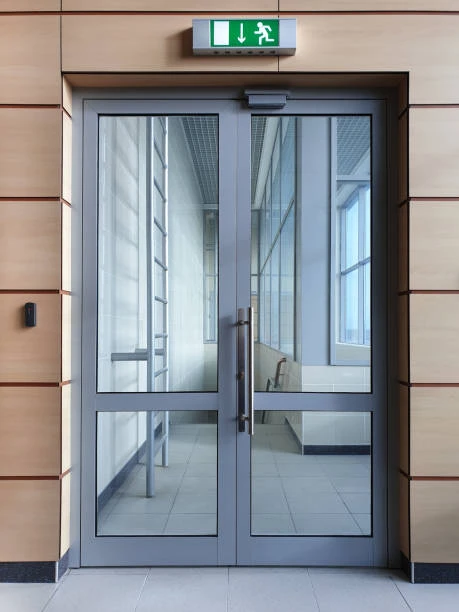
Another crucial aspect of fire safety in hospitals is the installation of fire doors. These doors must be fire-resistant and strategically placed in areas where evacuation is likely to occur. In the United Kingdom, NHS fire doors are required to provide a minimum of 30 minutes of protection, although longer durations may be necessary in areas where evacuation might take more time. Fire doors can be constructed from various materials, including steel or aluminum, as long as they meet the specified protection grade requirements. Clear signage indicating the presence of fire doors is vital to ensure that everyone knows the designated exit routes during an evacuation.
Fire compartmentation is a critical practice in hospitals. It involves dividing the building into separate fire compartments using fire-resistant walls and flooring. This strategy prevents the rapid spread of fire both vertically and horizontally. Proper fire stopping techniques and regularly checked fire alarm systems are essential, and all doors must be sealed to prevent the passage of toxic fumes and smoke.
Electrical sockets pose a significant fire risk in hospitals. The extensive use of electrical equipment increases the likelihood of overloaded sockets, faulty wiring, and short circuits. Therefore, regular maintenance and inspection of electrical systems are crucial to prevent fire incidents.
Large kitchen areas in hospitals require special attention to avoid fire hazards. Adequate cleaning of grills, ovens, and cooking equipment is necessary to prevent the accumulation of grease and oil, which can increase the risk of fire. Additionally, it is essential to equip all kitchens with the appropriate fire safety equipment to quickly extinguish any fire that may occur.
Although many NHS hospitals have implemented a complete smoking ban, the risk of fire caused by individuals who disregard the rules remains a concern. Lit cigarette stubs left unattended can easily ignite, leading to rapidly spreading fires. Allocating dedicated smoking areas away from the main hospital buildings can help mitigate this risk.
Conducting regular fire risk assessments is vital in hospitals to identify and address potential fire hazards. These assessments provide crucial insights into areas that require improvement to create the safest possible environment. Compliance with the Regulatory Reform (Fire Safety) Order 2005 mandates the appointment of a designated person responsible for overseeing the risk assessment process in each hospital.
By implementing fire safety measures such as sprinkler systems, fire alarms, and fire extinguishers, hospitals can ensure the safety and well-being of vulnerable individuals seeking care.
Trio India, a leading fire door manufacturer in Delhi, offers a comprehensive range of fire curtains and smoke curtains to provide bespoke fire protection solutions for various building sectors, including hospitals. From smoke curtains to domestic fire curtains, their products are designed to meet the specific needs of each application. For hospitals seeking reliable fire safety solutions, Coopers Fire is ready to provide expert assistance.
Conclusion
Fire safety in hospitals is of utmost importance for protecting vulnerable lives. The installation of reliable fire doors in healthcare facilities plays a crucial role in preventing the spread of fire and ensuring the safety of patients, staff, and visitors. It is vital for hospitals to collaborate with reputable hospital doors manufacturers, or any other region, to ensure the highest quality and compliance with safety standards. By prioritizing fire safety measures, hospitals can create a secure environment that minimizes the risk of fire-related incidents and safeguard the well-being of those within their care.

























Sign in to leave a comment.