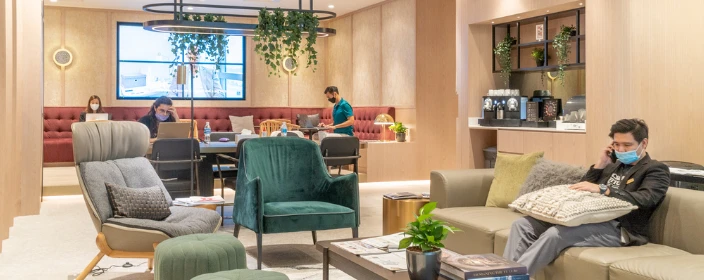

Flexible office spaces are a rapidly growing trend in modern workplaces. These workspaces offer a range of options for businesses and individuals to work in a collaborative, dynamic environment that adapts to their needs. They typically include shared offices, co-working spaces, hot desks, and virtual offices, among others. These spaces provide a range of amenities such as high-speed internet, meeting rooms, and lounges that can be used on an as-needed basis. This flexibility allows businesses to scale up or down quickly and reduce costs. Moreover, these spaces foster collaboration and community, which can lead to increased productivity and creativity. As the demand for flexible office spaces continues to grow, they are becoming an increasingly popular option for businesses of all sizes.
Flexible office space has become a significant part of workplace strategy in recent years. As the nature of work continues to evolve and the needs of employees change, businesses are finding that traditional office spaces no longer meet their needs. Flexible office spaces offer a solution to this problem, providing companies with the ability to adapt quickly and efficiently to changing demands.
One of the main advantages of flexible office spaces is their ability to accommodate different work styles and preferences. Whether an employee prefers to work in a quiet, private environment or in a collaborative, social space, a flexible office can provide options for both. With a range of spaces available, from private offices to hot desks and meeting rooms, employees can choose the space that best suits their needs, and companies can provide a more tailored approach to their employees' working styles.
Another benefit of flexible office spaces is the cost savings they can provide. By offering shared spaces, businesses can reduce the amount of space they need, and therefore the cost of rent and utilities. In addition, flexible offices often provide additional services such as reception, IT support, and cleaning, eliminating the need for businesses to hire their own staff for these tasks. This can result in significant savings for businesses, particularly for smaller companies or those in the early stages of growth.
Flexibility is another key advantage of flexible office spaces. With short-term leases and the ability to scale up or down as needed, businesses can respond quickly to changes in demand without the need for lengthy negotiations or commitments. This can be particularly beneficial for companies experiencing rapid growth or seasonal fluctuations in demand, as it allows them to adjust their office space requirements accordingly.







Sign in to leave a comment.