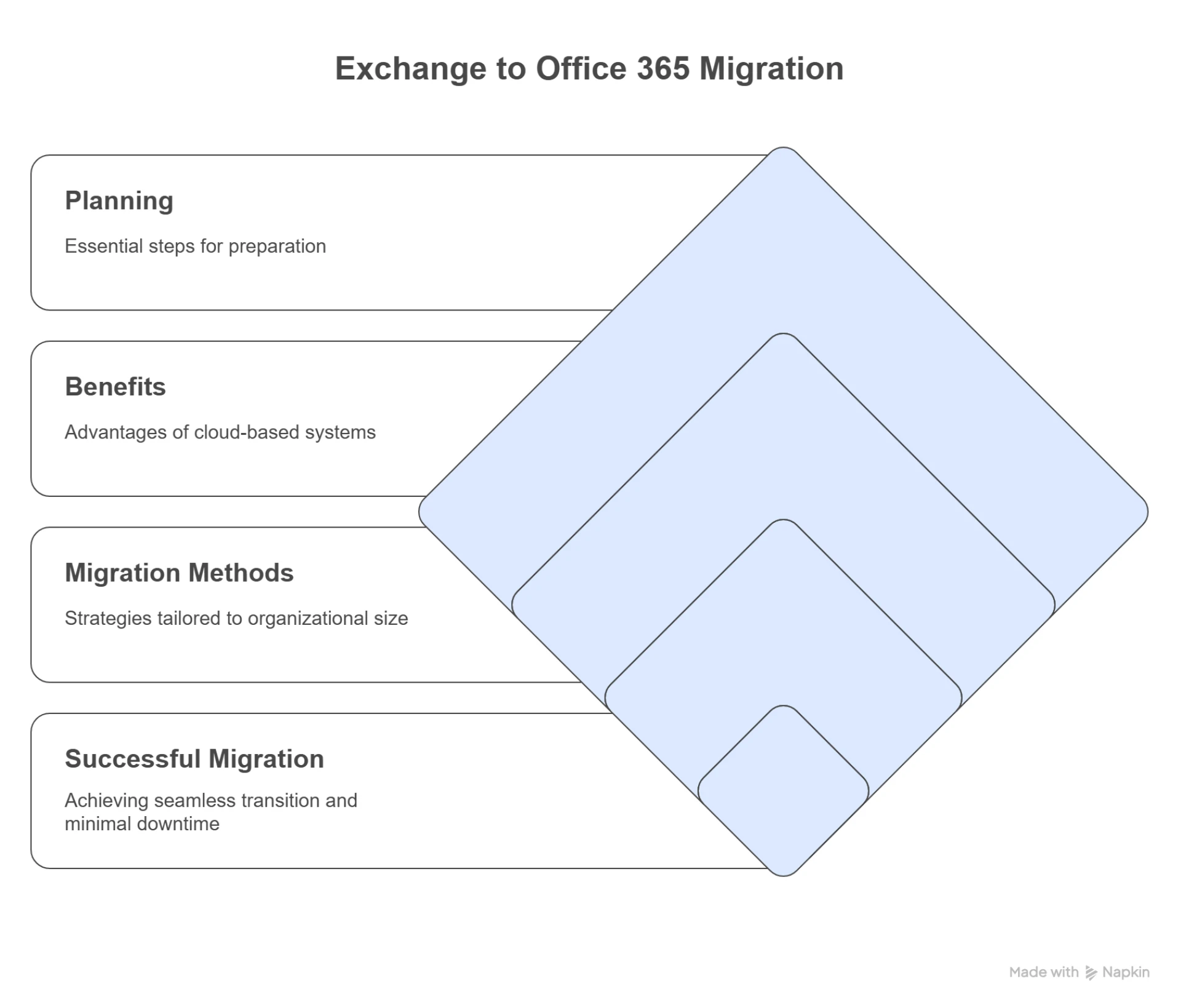

As businesses move toward more agile, cloud-based environments, many are choosing to migrate Exchange to Office 365 to modernize their communication systems. Whether you’re using Exchange 2010, 2013, 2016, or 2019, shifting to Microsoft 365 offers a range of benefits, including increased reliability, advanced security, and simplified administration.
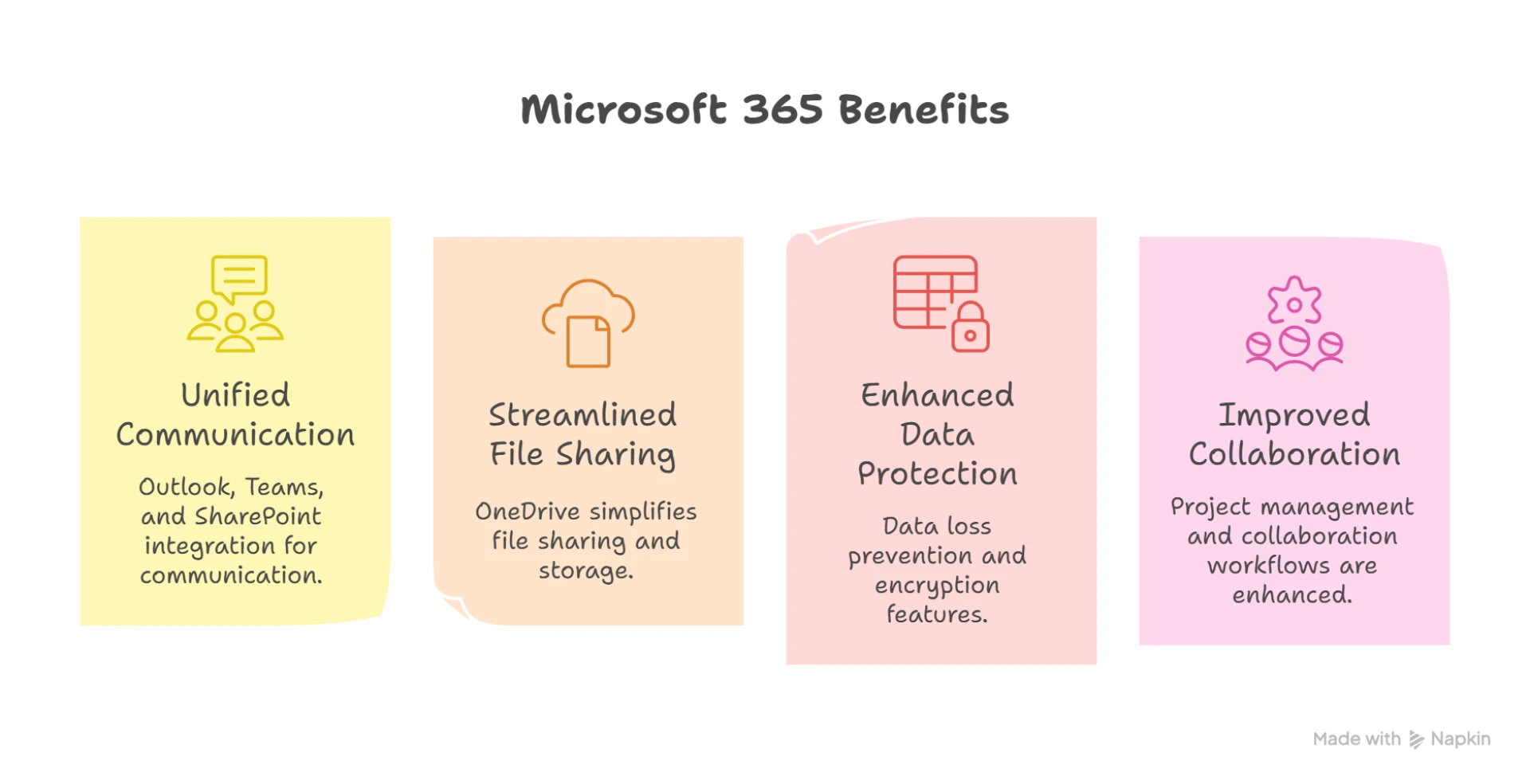
Migrating from on-premises Exchange to Office 365 allows organizations to eliminate the burden of maintaining physical servers, reduce IT overhead, and benefit from Microsoft’s robust, always-updated cloud infrastructure. Exchange Online, part of the Office 365 suite, offers all the core features of on-prem Exchange—such as email, calendars, and contacts—while adding powerful collaboration tools like Teams, OneDrive, and SharePoint.
There are several migration methods, each suited to different organizational needs. Cutover migration is ideal for small businesses moving all mailboxes at once, while staged migration supports medium-sized businesses by moving batches of mailboxes over time. Hybrid migration is best for larger enterprises that want to keep some mailboxes on-premises while transitioning others to the cloud, allowing for a seamless, phased approach.
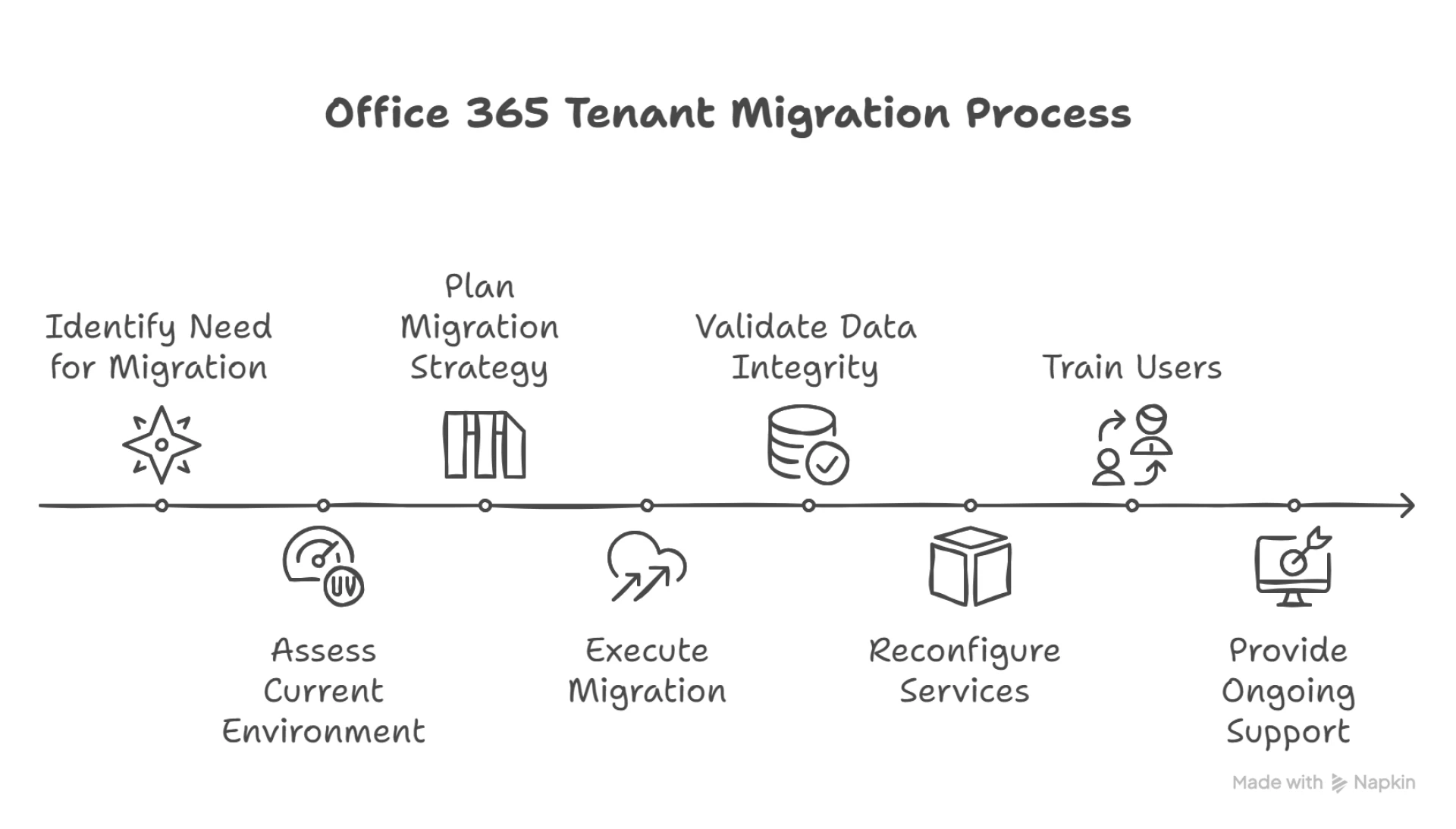
Planning is key to a successful migration. It starts with assessing your current Exchange environment, choosing the right migration strategy, preparing the destination Office 365 tenant, and ensuring that DNS records are updated appropriately. User communication and training are also essential to help staff transition smoothly.
One major advantage of migrating to Office 365 is the ability to access emails and documents from anywhere on any device, supporting today’s hybrid and remote work models. Office 365 also offers built-in data loss prevention, encryption, and compliance tools, which are critical for organizations in regulated industries.
To ensure a seamless transition with minimal downtime and no data loss, many companies rely on migration experts like Apps4Rent. These specialists offer end-to-end migration services, from pre-migration assessments to post-migration support, allowing IT teams to stay focused on other priorities.
Ultimately, choosing to migrate Exchange to Office 365 is a forward-looking move that improves reliability, enhances collaboration, and sets the foundation for scalable growth. As the workplace continues to evolve, adopting a flexible, cloud-first approach ensures your organization stays connected, productive, and secure in the long run.
























Sign in to leave a comment.