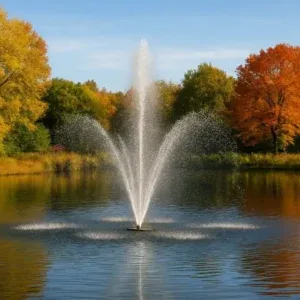

Water features have become an essential part of modern landscape design, especially for homeowners looking to enhance small outdoor water bodies. Among these, floating fountains for small ponds play a significant role in improving both aesthetics and water health. In fact, floating fountains are often chosen not just for their decorative appeal but also for their ability to improve oxygen levels and reduce stagnation in confined water spaces.
These systems work by continuously circulating water from the surface into the air and back, which helps maintain a healthier aquatic environment. When paired with powerful configurations like a 3/4 hp pond fountain, the performance becomes even more effective for slightly larger or more demanding pond conditions.
What Are Floating Pond Fountains?
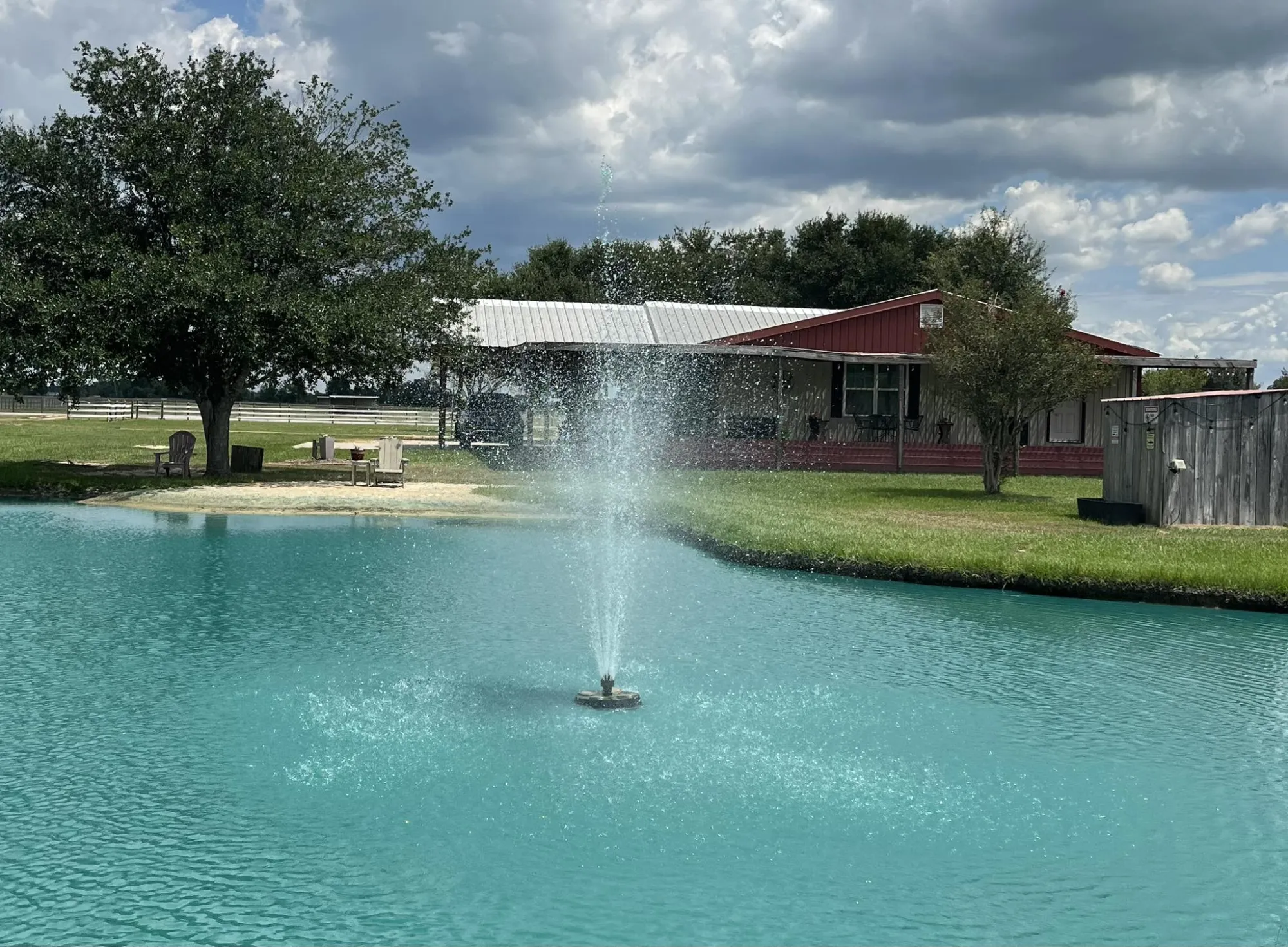
Floating pond fountains are self-contained water circulation systems that sit on the surface of a pond. They use a submersible pump to draw water and spray it into decorative patterns. This movement is not just visual—it directly improves water quality by increasing oxygen exchange.
Studies and pond management guides show that surface agitation helps prevent stagnation, reduce foul odors, and control algae formation by disrupting still water conditions.
In small ponds, these fountains are especially valuable because natural water movement is limited.
How Floating Fountains for Small Ponds Improve Water Health?
One of the main reasons people install floating fountains for small ponds is to improve aeration. Aeration is the process of increasing oxygen levels in water, which supports fish, plants, and beneficial bacteria.
Key benefits include:
- Improved oxygen distribution at the water surface
- Reduction in algae growth due to disrupted stagnation
- Lower risk of mosquito breeding
- Better breakdown of organic waste
- Improved clarity and freshness of water
Floating fountains continuously circulate water, which prevents dead zones where oxygen levels drop.
Role of a 3/4 HP Pond Fountain in Performance
A 3/4 hp pond fountain is considered a mid-to-high power option in fountain systems. It is typically used when small ponds require stronger circulation or when visual impact is also a priority.
A fountain in this range generally delivers higher flow rates and stronger spray heights compared to smaller units. As a result, it improves both surface movement and oxygen transfer efficiency.
In practical terms, a 3/4 hp pond fountain is suitable when:
- The pond size is medium to large
- Strong aeration is required
- Decorative spray height is a priority
- Water tends to become stagnant quickly
Such fountains are often used where basic low-power systems are not sufficient to maintain consistent water movement.
Key Design and Functional Features
Modern floating fountain systems are designed for efficiency and durability. Typical features include:
- Floating base for stability on water
- Submersible pump system
- Interchangeable spray nozzles
- Debris filtration screens
- Electrical safety systems with waterproof wiring
The combination of these components ensures consistent water circulation even in varying pond conditions.
Additionally, most systems are designed to operate continuously with minimal maintenance, making them suitable for residential use.
Choosing the Right Fountain for Small Ponds
When selecting floating fountains for small ponds, several factors must be considered:
1. Pond Size
Smaller ponds require lower horsepower systems, while larger ponds or heavily stocked ponds may need higher capacity units.
2. Depth of Water
Most floating fountains require adequate depth for proper pump operation and cooling.
3. Aeration Needs
If the pond supports fish or aquatic plants, oxygen demand increases.
4. Desired Visual Effect
Spray patterns vary from simple vertical jets to wide decorative displays.
Balancing aesthetics and functionality ensures better long-term performance.
Maintenance and Efficiency Considerations
Floating fountains require basic but regular maintenance to perform efficiently. This includes:
- Cleaning the pump intake to prevent clogging
- Inspecting nozzles for blockages
- Ensuring electrical connections remain waterproof
- Removing debris from the floating unit
Proper maintenance ensures consistent water flow and prevents performance loss over time.
Conclusion
Floating fountain systems have become an important part of small pond management due to their dual role in decoration and water health improvement. When combined with a powerful configuration like a 3/4 hp pond fountain, they offer improved circulation and stronger performance for more demanding pond conditions. Floating fountains help maintain oxygen levels, reduce stagnation, and enhance overall water quality.


























Sign in to leave a comment.