

Flutter good for app development? The short answer is yes. Flutter continues to be one of the most popular frameworks for building mobile applications in 2026. Developed by Google, Flutter enables developers to create high-quality applications for multiple platforms using a single codebase.
Businesses today want mobile apps that are cost-effective, visually appealing, and fast to market. Flutter addresses these needs by allowing developers to build Android, iOS, web, and desktop applications with greater efficiency. Its rich widget library, strong performance, and growing community support have made it a preferred choice for startups and enterprises alike.
At CodeChainTech, we recommend Flutter for businesses looking to reduce development costs while delivering consistent user experiences across platforms. However, understanding how Flutter works and where it fits best is essential before making a technology decision.
What Is Flutter?
Flutter is an open-source UI software development framework created by Google. It uses the Dart programming language and allows developers to build applications for multiple platforms from a single codebase.
Flutter is commonly used for:
- Android app development
- iOS app development
- Cross-platform applications
- Web applications
- Desktop applications
- Minimum Viable Products (MVPs)
Instead of relying on platform-specific UI components, Flutter uses its own rendering engine to deliver consistent designs across devices.
How Does Flutter Work?
Flutter simplifies development through a unified approach.
1. Single Codebase Development
Developers write one codebase using Dart.
2. Widget-Based UI
Flutter uses customizable widgets to create user interfaces.
3. Rendering Engine
The framework renders the UI directly using the Skia graphics engine.
4. Hot Reload
Developers instantly see code changes without restarting the application.
5. Native Compilation
Flutter compiles applications into native machine code for improved performance.
This workflow accelerates development and enhances productivity.
Benefits of Flutter for App Development
Faster Development
A single codebase reduces development time significantly.
Cost Efficiency
Businesses save money by maintaining one application instead of separate Android and iOS projects.
Excellent Performance
Native compilation provides smooth and responsive user experiences.
Beautiful User Interfaces
Flutter's widget library enables visually appealing designs.
Hot Reload Feature
App Developers can test changes instantly, improving efficiency.
Cross-Platform Consistency
Applications maintain a similar look and feel across devices.
Strong Community Support
Flutter has an active ecosystem with extensive learning resources.
Examples of Flutter Applications
Flutter is suitable for various app categories.
eCommerce Applications
Online shopping apps with engaging user experiences.
Healthcare Applications
Appointment scheduling and patient management solutions.
Financial Applications
Banking and payment applications.
Educational Platforms
Interactive learning and training apps.
Business Applications
Internal tools and workflow management systems.
Startup MVPs
Rapid product launches with reduced development costs.
Common Challenges of Flutter
Larger App Size
Flutter applications may have larger installation sizes.
Dart Learning Curve
Teams unfamiliar with Dart may require training.
Limited Native Features
Certain advanced native functionalities may need platform-specific code.
Third-Party Package Dependence
Some integrations rely on community-maintained packages.
Despite these challenges, Flutter remains a practical choice for many projects.
Conclusion
Flutter is indeed a good choice for app development in 2026, especially for businesses seeking faster delivery, reduced costs, and consistent cross-platform experiences. Its performance, flexibility, and rich UI capabilities make it one of the leading frameworks in the mobile development landscape.
At CodeChainTech, we recommend Flutter for startups, growing businesses, and enterprises looking to maximize efficiency without compromising quality. While every project has unique requirements, Flutter continues to offer an excellent balance between speed, scalability, and user experience.
Choosing Flutter can help businesses launch applications faster and stay competitive in an increasingly mobile-first world.
FAQs
1. Is Flutter good for app development in 2026?
Yes. Flutter remains one of the best frameworks for cross-platform app development due to its speed, performance, and cost efficiency.
2. Can Flutter build both Android and iOS apps?
Yes. Flutter allows developers to build Android and iOS applications using a single codebase.
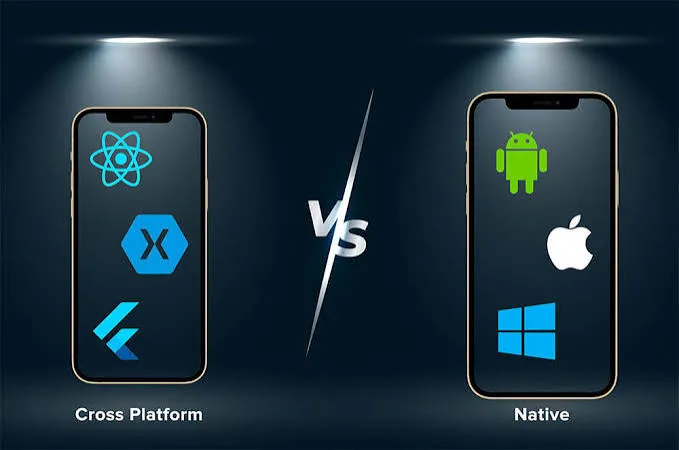
3. Is Flutter better than native development?
Flutter is excellent for many projects, but native development may be preferable for highly platform-specific applications.
4. Which programming language does Flutter use?
Flutter uses the Dart programming language.
5. Why choose CodeChainTech for Flutter app development?
CodeChainTech delivers secure, scalable, and user-friendly Flutter applications tailored to your business goals and customer needs.



















Sign in to leave a comment.