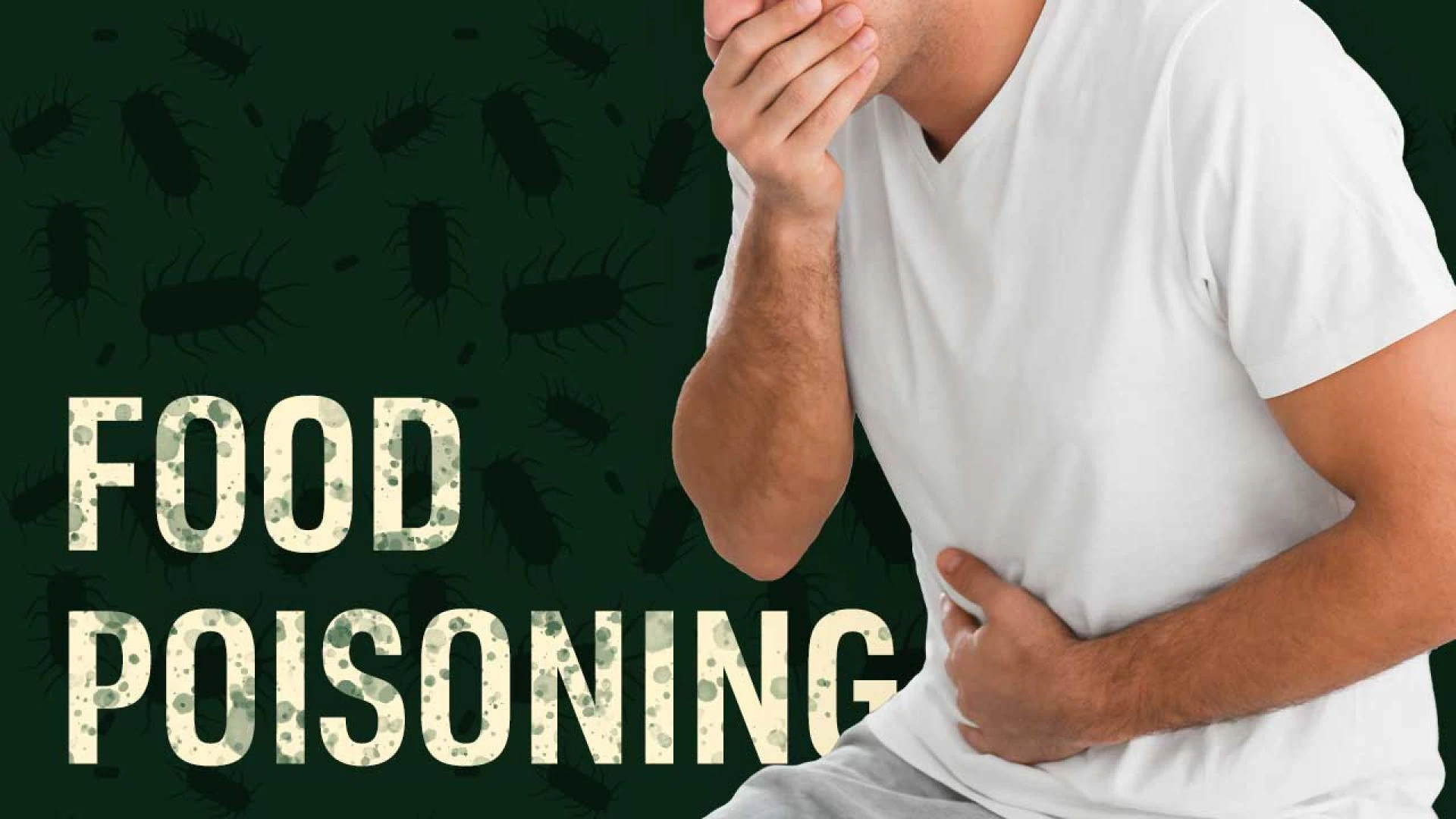

Food poisoning, a form of illness associated with food, is a disease caused by anything individuals eat or drink. The reasons are microorganisms or other potentially dangerous food or beverage substances.
Food poisoning indications include stomach discomfort, diarrhea, and vomiting. Symptoms typically appear within hours or days after ingesting the dish. The majority of people suffer from minor illnesses and recover on their own.
Food poisoning can cause serious sickness or consequences.
What are the causes of Food Poisoning?
Most cases of food poisoning may be attributed to one of three principal causes: bacteria, parasites, or viruses.
These infections can be present in practically all of the foods we eat. However, heat from cooking typically destroys viruses or bacteria on food before they reach our plates. Raw foods are typical causes of food illness since they are not cooked.
Food occasionally comes into touch with microbes found in feces or vomit. This is most likely to happen when an unwell person prepares food without first washing their hands.
Meat, eggs, and milk products are often contaminated. Water may be polluted with disease-causing organisms.
What are the symptoms of Food Poisoning?
Food poisoning can occur after eating specific pathogens, such as Salmonella or E. coli. Your symptoms may differ based on the infectious agent you ingested. Symptoms might range from moderate to severe and can continue for a few hours or days.
The most frequent symptoms of food poisoning include:
- Diarrhea
- Stomach discomfort or cramps.
- Nausea
- Vomiting
- Fever
Homeopathic Medicine Online - If you experience diarrhea or vomiting, drink plenty of fluids to avoid dehydration (lack of water in your body).
How to manage Food Poisoning at home?
- Do not forget to stay hydrated: When you vomit, have diarrhea, or have a fever, you might lose plenty of fluid quickly. Dehydration may leave you fatigued and weak, and it may lead to heart rate fluctuations. It can be lethal if not treated immediately, particularly in small children and the elderly.
Maintaining hydrated counts as one of the best methods to help your body battle the virus. Try consuming water infused with electrolytes that can keep you hydrated longer than water.
- Take Rest: A second way to help your immune system fight the illness is to stay at home and relax.
- Eat simple food: You may be too unwell to eat on the initial day. If you\'re still vomiting up, resort to liquids like water, plain broth, fruit juice, caffeine-free tea, or soups.
However, once you are capable of eating and drinking again, stick to basic things and consume slowly to watch how your digestion reacts.
What are the Homoeopathic medicines for Food Poisoning?
- Arsenicum album: This is beneficial for indicators of food poisoning such as nausea, vomiting, diarrhea, and upset stomach. It may help ease stomach cramps and general discomfort.
- Nux vomica: Suggested for food poisoning accompanied by nausea, vomiting, and an unpleasant flavor in the mouth. It can also relieve symptoms including abdominal pain, indigestion, and stomach fullness.
- Veratrum album: Used to treat food poisoning resulting in vomiting and diarrhea. The stool may be runny, followed by cold sweat, and the individual may feel lethargic and weary.
- Arsenicum iodatum: Effective for indications of food poisoning such as gastric burn, vomiting, and diarrhea. It is especially useful for situations of extreme thirst, agitation, and apprehension.
- Podophyllum peltatum: Suitable for food illness characterized by copious, gushing, or explosive diarrhea. The individual may suffer stomach discomfort, weakness, or tiredness.
- Carbo vegetabilis: A cure for food poisoning resulting in bloating, indigestion, and gas. It can assist in alleviating complaints such as belching, nausea, and abdominal discomfort.
- China officinalis: This is effective for food poisoning symptoms such as bloating, diarrhea, and weakness. It can assist in relieving gastrointestinal discomfort, improve digestion, and regain vitality.




























Sign in to leave a comment.