
Food recipe formulation is an art and science combined—a journey of transforming ideas into delightful culinary experiences. Whether you are a budding entrepreneur launching a food startup or a chef looking to innovate, mastering the intricacies of recipe development is crucial. This guide dives deep into the essentials of food recipe formulation, offering insights into the process, tips for success, and the benefits of working with professional formulation experts.
What is Food Recipe Formulation?
Food recipe formulation is the process of developing new recipes or modifying existing ones to achieve specific tastes, textures, nutritional values, and cost efficiencies. It involves selecting the right ingredients, determining their proportions, and perfecting preparation methods. The goal? To create a product that not only tastes great but also meets consumer expectations and regulatory requirements.
Why is Recipe Formulation Important?
- Consistency and Quality Control: Accurate formulations ensure that every batch tastes the same, maintaining product consistency and brand trust.
- Cost Efficiency: By optimizing ingredient ratios, you can control costs without compromising quality.
- Nutritional Compliance: Proper formulation helps in meeting health and nutritional guidelines, essential for labeling and marketing.
- Scalability: Formulations allow easy scaling from a home kitchen to commercial production without altering the final product's quality or taste.
Key Steps in Food Recipe Formulation
1. Idea Generation and Concept Development
The first step is brainstorming innovative ideas. Consider your target audience, market trends, and dietary preferences. Are you developing a plant-based snack, a gluten-free dessert, or a high-protein meal replacement? The concept will shape the entire formulation process.
2. Ingredient Selection
Choose high-quality, safe, and accessible ingredients. Focus on:
- Flavor: Complementary ingredients enhance taste and aroma.
- Texture: Thickeners, emulsifiers, or gelling agents create the desired mouthfeel.
- Nutrition: Select nutrient-dense ingredients to meet health standards.
- Shelf Life: Use preservatives or natural alternatives to maintain freshness.
3. Proportion and Ratio Determination
The right balance is key to achieving the perfect taste and texture. This involves:
- Calculating ingredient ratios using a baker’s percentage or formula.
- Adjusting for flavor intensity, moisture content, and texture.
- Ensuring stability during processing and storage.
4. Recipe Testing and Sensory Evaluation
Develop prototypes and conduct sensory evaluations to assess taste, texture, aroma, and appearance. Gather feedback from focus groups or experts to fine-tune the recipe.
5. Nutritional Analysis and Labeling
Calculate nutritional values, including calories, proteins, fats, carbohydrates, and micronutrients. Comply with local regulatory requirements for nutrition labeling and allergen declarations.
6. Scale-Up and Commercial Production
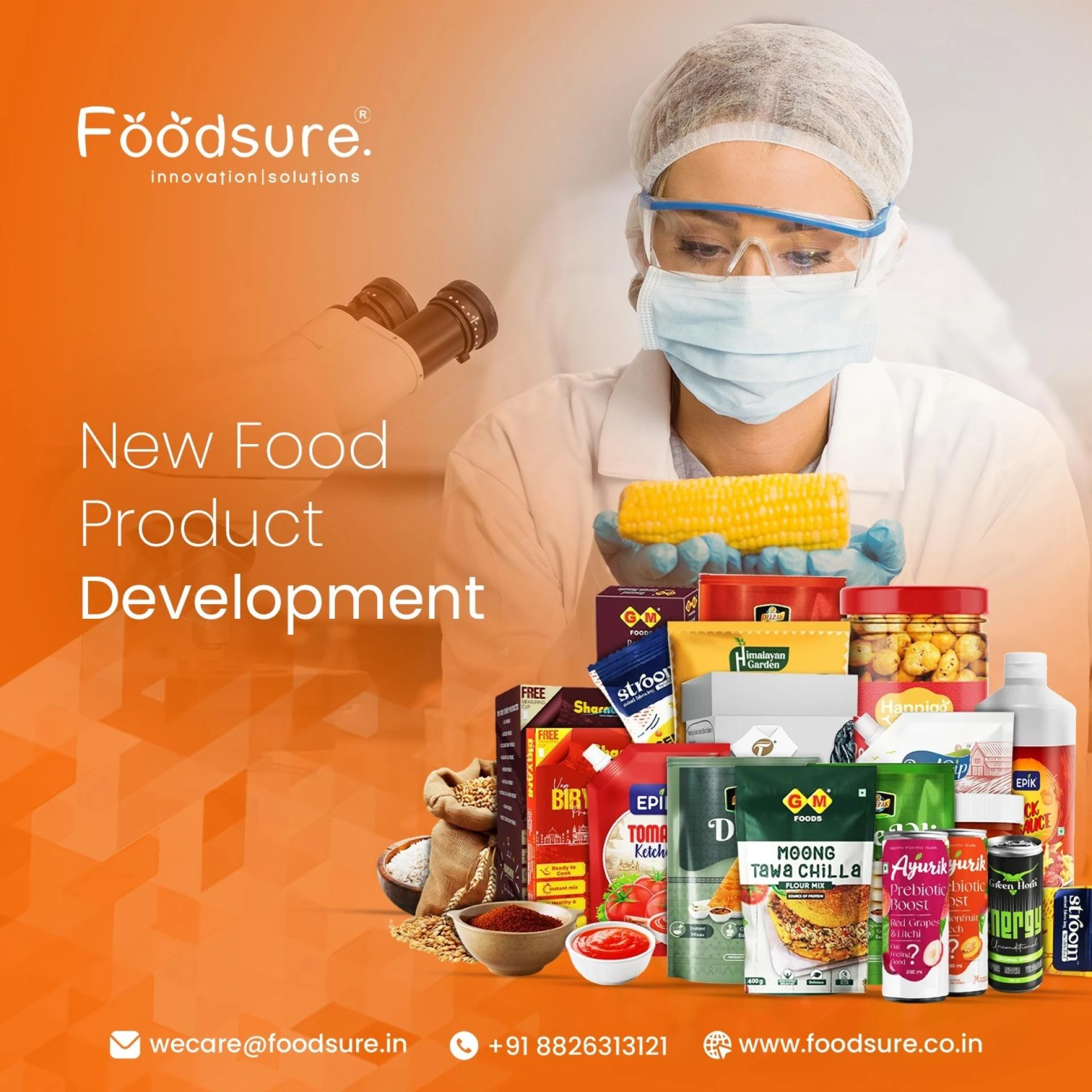
Once satisfied with the prototype, scale the recipe for commercial production. Collaborate with food technologists to ensure the product remains consistent, safe, and high-quality on a larger scale.
Tips for Successful Recipe Formulation
- Keep It Simple: Consumers appreciate clean labels with minimal ingredients. Avoid unnecessary additives.
- Stay Innovative: Experiment with trending ingredients like plant-based proteins, adaptogens, or superfoods.
- Focus on Nutrition: Today’s consumers are health-conscious. Prioritize nutrient density and functional benefits.
- Test and Iterate: Don’t be afraid to revise and improve. Consistent testing is vital for perfection.
- Work with Professionals: Collaborate with experienced food scientists and formulation experts for best results.
Challenges in Food Recipe Formulation
- Ingredient Availability: Sourcing consistent and high-quality ingredients can be challenging.
- Cost Constraints: Balancing premium ingredients with competitive pricing requires strategic planning.
- Shelf-Life Stability: Achieving long shelf life without compromising on taste or nutrition is complex.
- Regulatory Compliance: Navigating food safety regulations and labeling requirements is crucial for market entry.
Why Choose Professional Recipe Formulation Services?
Partnering with professional formulation companies like Foodsure offers numerous advantages:
- Expert Knowledge: Access to food scientists and industry experts.
- Time Efficiency: Faster product development and market launch.
- Cost-Effective Solutions: Optimized recipes reduce waste and production costs.
- Compliance Assurance: Ensures adherence to food safety standards and labeling regulations.
Future Trends in Food Recipe Formulation
- Plant-Based Innovation: Demand for vegan and plant-based alternatives is on the rise.
- Functional Foods: Consumers are looking for foods with health benefits, like immunity boosters and gut health enhancers.
- Clean Label Movement: Transparency in ingredient sourcing and minimal processing are gaining importance.
- Sustainability: Eco-friendly packaging and sustainable ingredient sourcing are key consumer demands.
Conclusion: Transforming Ideas into Culinary Success
Food recipe formulation is a dynamic and creative process that bridges the gap between culinary art and food science. By mastering the essentials—from idea generation to commercial production—you can craft products that resonate with today’s health-conscious, flavor-seeking consumers.
Partnering with experts like Foodsure enhances the journey, ensuring your recipes are not only delicious but also market-ready, compliant, and cost-effective. Ready to bring your food ideas to life? Start your recipe formulation journey today!
Call to Action
Looking to create the next big hit in the food industry? Contact Foodsure for customized food recipe formulation services tailored to your brand’s vision and market needs. Let's craft culinary magic together!
Related Blog : https://foodsure.co.in/blog/tips-for-effective-food-recipe-formulation/
Video : https://youtu.be/SbIS80a6U9Y



























Sign in to leave a comment.