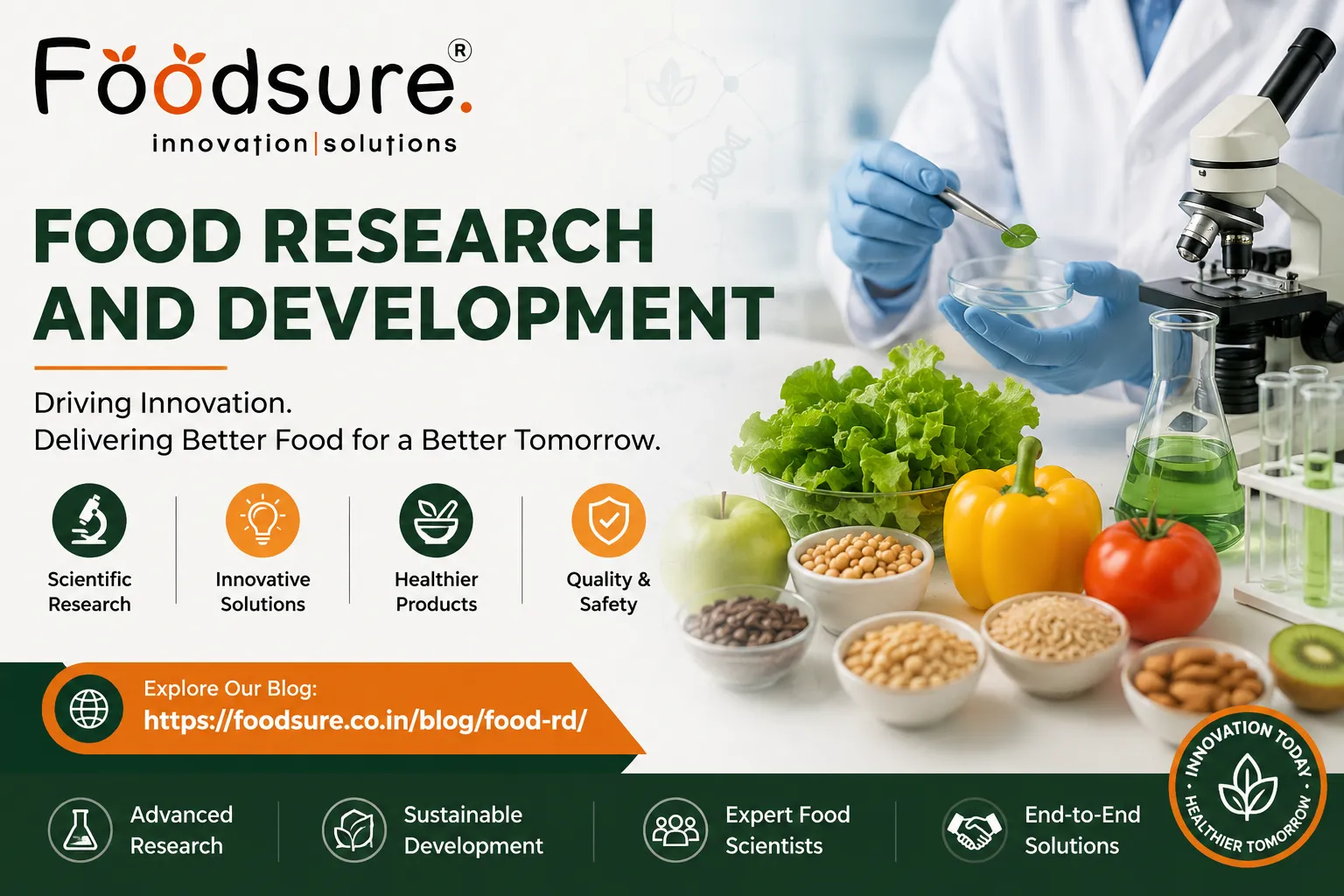
The food industry is evolving rapidly, and businesses are constantly searching for new ways to create healthier, tastier, and more sustainable products. This is where Food research and development plays a crucial role. From developing functional foods and plant-based alternatives to improving product quality and shelf life, research and development have become the foundation of successful food businesses.
What is Food Research and Development?
Food research and development refers to the scientific process of creating, improving, and optimizing food products before they reach consumers. It involves studying ingredients, analyzing consumer preferences, conducting product testing, and ensuring regulatory compliance.
Companies invest in research and development to introduce innovative products that meet changing market demands. Whether it is a new beverage, snack, dairy product, or nutritional supplement, every successful product begins with a strong R&D strategy.
Why Food Research and Development Matters
The modern food market is highly competitive, and consumers expect products that offer convenience, nutrition, and unique flavors. Research and development help businesses:
Improve Product Quality
R&D helps companies create products with better taste, texture, and nutritional value. It also ensures consistency in every batch produced.
Meet Consumer Trends
Consumer preferences are changing quickly. Demand for organic, vegan, low-sugar, and protein-rich products continues to rise. Businesses that invest in innovation can respond faster to these market trends.
Enhance Food Safety
Proper testing and formulation processes help ensure that products comply with food safety regulations and industry standards.
Increase Market Competitiveness
Companies that continuously innovate can launch unique products and gain a significant advantage over competitors.
The Role of Food Scientists in Product Development
The contribution of food scientists is essential in the food industry. These professionals combine science and technology to develop products that are safe, nutritious, and commercially viable.
Food scientists work on various aspects of product development, including:
Ingredient Selection
They study ingredients and determine how they interact with each other to achieve the desired flavor, texture, and functionality.
Nutritional Optimization
Food scientists ensure products provide nutritional benefits while maintaining great taste and quality.
Shelf-Life Testing
Products undergo extensive testing to determine their stability and storage conditions.
Regulatory Compliance
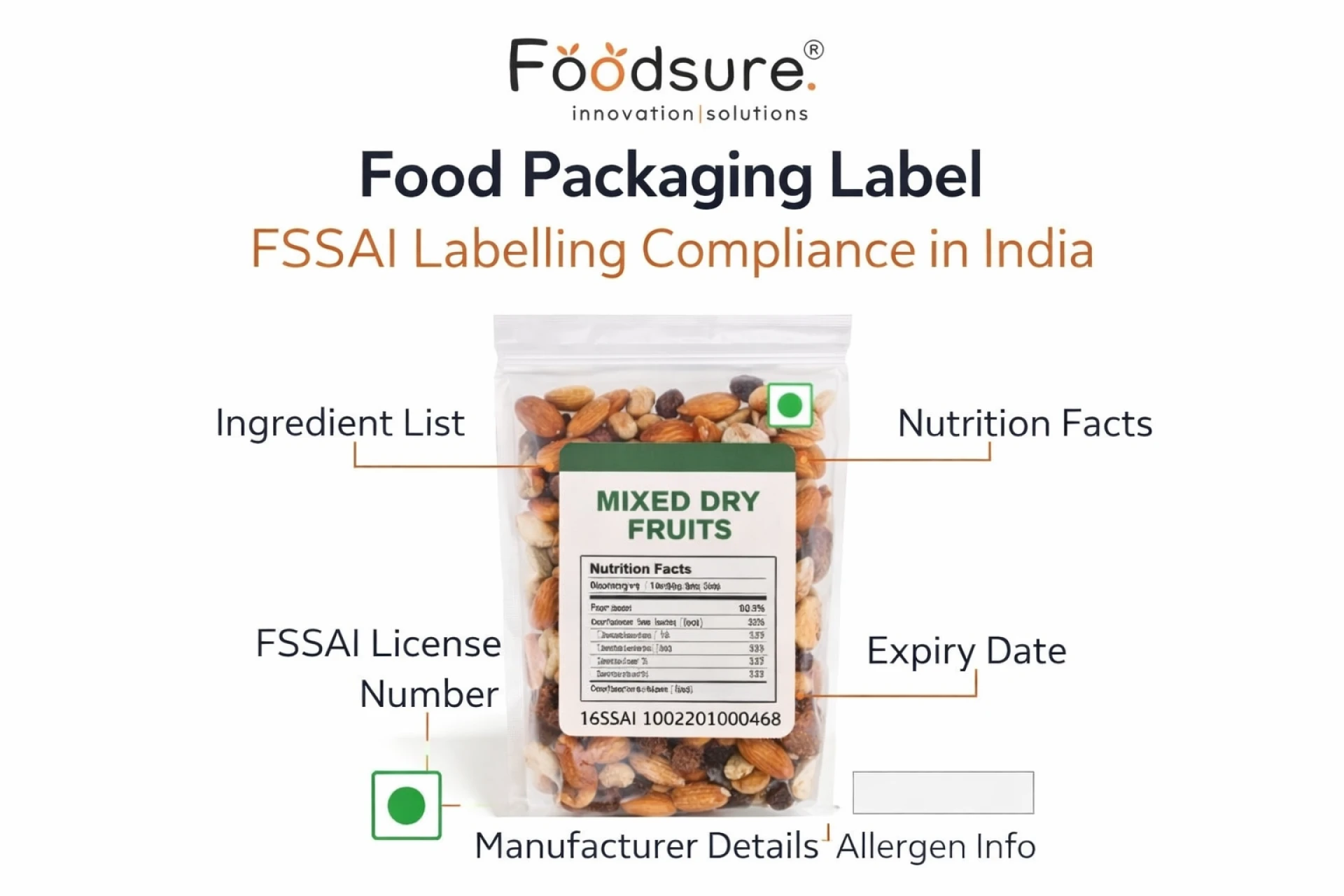
Food scientists help businesses comply with labeling requirements and food safety regulations.
Without skilled food scientists, bringing innovative and high-quality food products to the market would be extremely challenging.
The Process of Food Research and Development
Idea Generation
Every product begins with an idea. Companies identify market opportunities and consumer demands before developing a concept.
Market Research
Understanding customer preferences, competitor products, and emerging trends is an important part of product development.
Product Formulation
During this stage, ingredients are selected, and prototypes are developed to achieve the desired taste, texture, and nutritional profile.
Product Testing
Products undergo sensory evaluations, shelf-life studies, and quality testing to ensure they meet performance expectations.
Commercial Production
After successful testing, the product is scaled for commercial manufacturing while maintaining quality and consistency.
Food Innovation: Transforming the Industry
The food sector is experiencing significant changes due to Food innovation. Companies are introducing products that address health concerns, sustainability challenges, and changing lifestyles.
Some major areas of food innovation include:
Plant-Based Products
The demand for plant-based foods and beverages has increased significantly due to growing health and environmental awareness.
Functional Foods
Consumers increasingly prefer products enriched with vitamins, minerals, probiotics, and protein for additional health benefits.
Clean Label Products
Modern consumers prefer products with simple and recognizable ingredients, encouraging brands to adopt clean-label formulations.
Sustainable Packaging
Food companies are investing in environmentally friendly packaging solutions to reduce their environmental impact.
Personalized Nutrition
Customized food solutions designed for specific dietary requirements are becoming increasingly popular.
These innovations are reshaping the food industry and creating new opportunities for businesses worldwide.
Benefits of Investing in Food Research and Development
Faster Product Launches
A structured R&D process reduces development time and helps companies bring products to market more efficiently.
Better Consumer Satisfaction
Products developed through research and testing are more likely to meet customer expectations.
Improved Profitability
Innovative products often command premium pricing and create new revenue opportunities.
Strong Brand Reputation
Businesses that consistently launch high-quality products build trust and credibility among consumers.
Long-Term Business Growth
Continuous innovation enables companies to adapt to changing market conditions and remain competitive.
Challenges in Food Product Development
Despite its benefits, product development comes with several challenges:
Ingredient Compatibility
Different ingredients may react in unexpected ways, affecting texture, flavor, and stability.
Regulatory Requirements
Food products must comply with local and international regulations before commercialization.
Cost Management
Developing innovative products while maintaining cost efficiency requires careful planning.
Consumer Acceptance
A technically successful product may still fail if it does not align with consumer preferences.
This is why businesses need a comprehensive and strategic approach to Food research and development.
Future Trends in Food Research and Development
The future of Food research and development is being shaped by technology and changing consumer demands. Artificial intelligence, data analytics, and automation are helping companies create products faster and more efficiently.
Emerging trends include:
- High-protein and functional foods
- Sustainable ingredient sourcing
- Personalized nutrition solutions
- Natural and clean-label formulations
- Alternative proteins and plant-based innovations
- Smart packaging technologies
Businesses that embrace these trends can create products that meet future market demands and stay ahead of competitors.
Conclusion
In today's competitive market, Food research and development has become essential for creating successful and innovative food products. From understanding consumer preferences to ensuring safety and quality, a strong R&D strategy helps businesses stay relevant and achieve sustainable growth. Companies that invest in research, collaborate with experienced professionals, and embrace innovation can unlock new opportunities in the ever-changing food industry. For businesses looking to develop innovative food products and accelerate growth, expert support from Foodsure can make the journey more efficient and successful.
FAQs About Food Research and Development
What is food research and development?
Food research and development is the process of creating, testing, and improving food products to ensure they meet quality, safety, and consumer expectations.
Why is food research and development important?
It helps companies develop innovative products, improve quality, meet regulatory requirements, and stay competitive in the market.
What do food scientists do?
Food scientists work on product formulation, ingredient analysis, nutritional optimization, quality testing, and food safety compliance.
How long does food product development take?
The timeline varies depending on product complexity, testing requirements, and regulatory approvals. It can range from a few months to over a year.
What is food innovation?
Food innovation involves developing new products, ingredients, technologies, and processes that improve food quality, nutrition, and sustainability.
























Sign in to leave a comment.