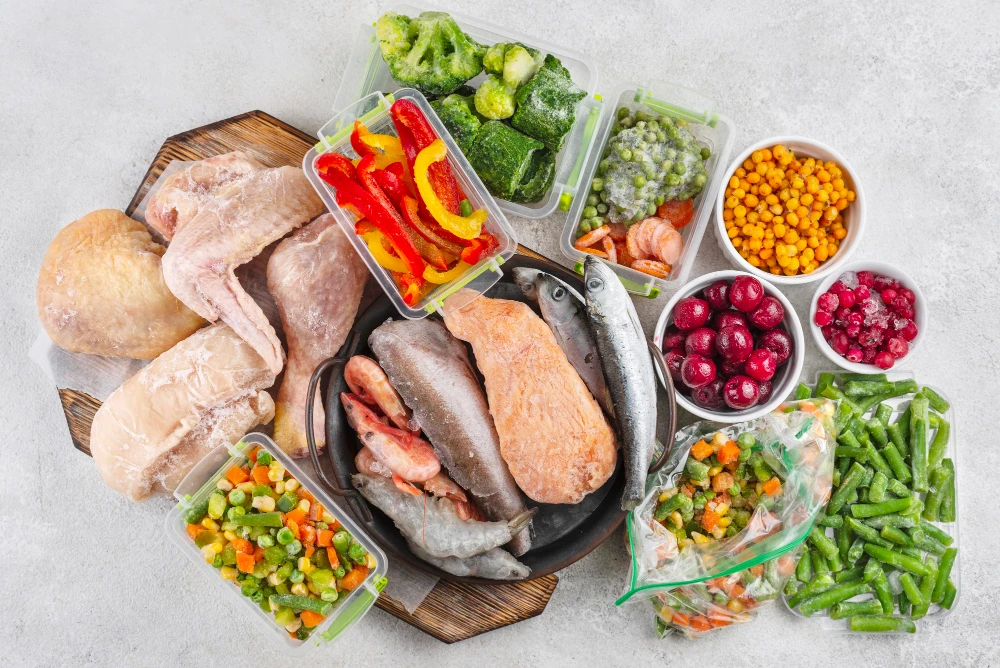

Aging introduces metabolic, muscle, bone density, and gastrointestinal changes. These necessitate the alteration of dietary habits to adapt to shifting nutritional demands. Appropriate foods can help preserve energy intake, immune function, and mental acuity.
Healthy eating is a part of an independent and active way of life. It is less about eating less, or cutting down on calories, than about eating differently. It is a case of selecting foods that will fit into the newly established rhythms of the body.
Foods for Longevity and Energy
Leafy Greens and Crisp Colorful Vegetables
Against the backdrop, there they come with covering dark leafy vegetables such as broccoli, kale and spinach. All of them are packed with vitamins A, C and K as well as calcium and fiber needed to build bones and assist in digestion. More color in a plate usually means more phytonutrients and antioxidants-the more colors you incorporate into your meals, the more phytonutrients and antioxidants you're presenting for your health.
Some other sources of beta-carotene are carrots, sweet potatoes, bell peppers. Good for the eyes. Not just a matter of quality of life but also considers safety when sight is good in old age.
Whole Grains for Sustained Energy
Unlike refined carbohydrates, whole foods like brown rice, quinoa, and oats slowly release their energy. Thus keeping blood sugar levels steady and are heart-healthy because they take in fibers. Well, by and large, most of the older adults find these relatively easier to digest when compared to concentrated whole-wheat products. 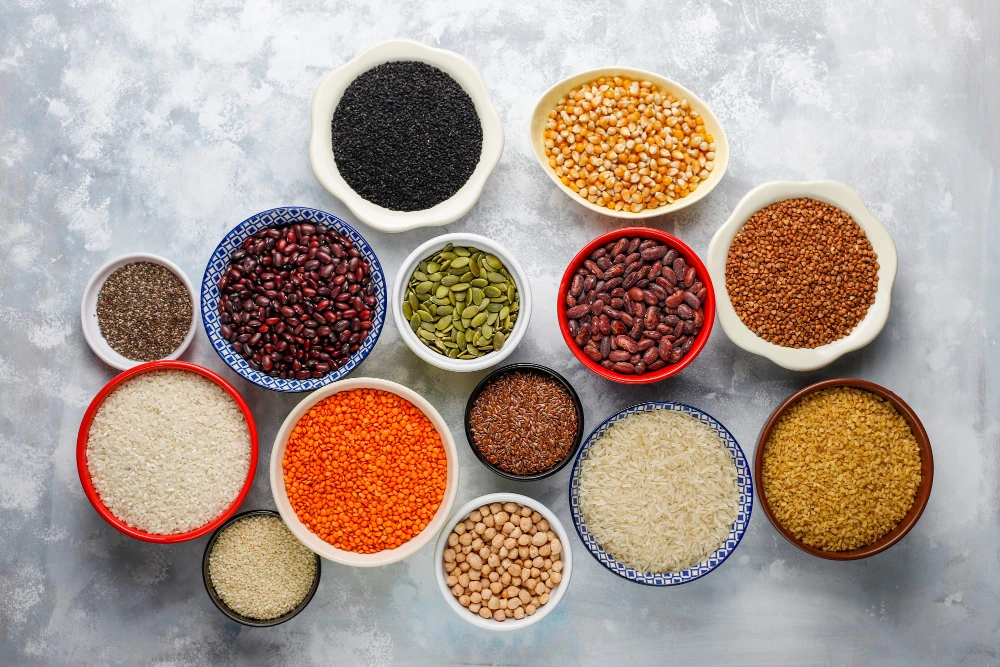
A breakfast bowl of oatmeal not only gives one energy but also that fullness that lasts throughout the day.
Natural Sources of Healthy Fats
Unsaturated fatty acids, present in avocado, nuts, seeds, and olive oil, are very good for the heart and brain. Omega 3 fatty acids, especially from fatty fish, like salmon or mackerel, are anti-inflammatory and help to keep the brain's cognitive function intact.
These really healthy fats improve the fluidity of joints and skin hydration, which becomes more important as age progresses.
Milk and Dairy Alternatives Fortified with Calcium
Bone density is affected by increasing age. Low-fat milk products, for example, yogurt or kefir, are calcium- and vitamin D-rich, as are fortified plant milk alternatives to prevent bone density and breakage.
Other dairy products have probiotics regarding digestion and improved bowel health.
Eel and Other Seafood Options for the Elderly
Eel is rich in protein, omega-3 fatty acids, and vitamin A. Eel is a heart, brain, and immune system-friendly food. Eel is also soft and easy to chew, an elderly seafood.
The same health benefits are offered by other fish like herring, sardines, and trout. They decrease inflammation, promote joint health, and may lower the risk of chronic disease.
The American Heart Association states that eating fish twice a week maintains heart health and reduces the risk of stroke (source).
Foods That Can Be Opposite of Health Goals
There are certain foods not suitable for seniors and must be avoided. The common ones are:
Processed and High Sodium Foods
Salty foods, for example, will tend to be the processed foods that increase blood pressure and predispose people to cardiac problems and strain to the kidneys. It causes water retention, swelling, and sometimes discomfort because sodium content is high.
Gradual salt reduction allows taste receptors to adjust to taste. Herbs and spices provide flavor without sodium added.
Sugary Drinks and Empty Calories
Sweetened fruit juices, soft drinks, and sweet beverages are weight gain factors and may destabilize blood sugar. This, in older persons, may trigger energy crashes or enhanced insulin resistance.
Water, herbal teas, or diluted fruit juices are more hydrating and less likely to trigger blood sugar spikes.
Refined Carbohydrates and Packaged Baked Foods
Refined flour and sugars are generally present in pastries, white bread, and crackers. These are extremely low in nutrition and have a tendency to disrupt blood sugar levels.
They are also typically low in fiber, which slows down digestion and leads to digestive distress or constipation.
Fried and Greasy Foods
Fried foods have large amounts of unhealthy fats that are bound to increase bad cholesterol and put an additional load on the heart. Fried foods are difficult to digest, especially in people with slow metabolism or sensitive stomachs.
Choosing baked or steamed forms of comfort foods offers comparable flavor with improved health advantages.
Other Points to Consider for a Desirable Old Age
Remaining Hydrated Without Excessive Sugar
Dehydration is now much more common among older people. As we age, we lose the ability to sense thirst. Thus, one needs to make it a point, purposely, to drink more fluids. Fruits high in water content, such as watermelon and cucumbers, assist in hydrating the body.
Coconut water and broths also supply water and electrolytes with less cruelty to the body than sugar-based sports drinks or carbonated water.
Portion Control and Mindful Eating
For the same quantity of food as previously, now metabolism operates much slower. Hunger and satisfaction signals regulate the degree of eating to ensure it does not exceed comfortable levels. Consuming and masticating more slowly also assists digestion. Paying attention to eating is linked to increased enjoyment of food, which is associated with physical and emotional health.
Aid Digestion with Probiotics and Fiber
Dietary fiber keeps most everyday ailments at bay: constipation, say, in older individuals. Whole grains, legumes, fruits, and vegetables are some of the multiple sources. Soluble fiber offers extra protection for the heart as it reduces cholesterol.
Interface of Probiotic Foods. Immune and digestive systems collaborate with each other in nutrient assimilation, which relies most on successful digestion. Fermented vegetables and probiotic foods like yogurt and kefir help maintain this equilibrium in the gut.
Building a Plate That Mirrors the Needs of the Body
Each meal should thus consist of an amalgamation of protein, dietary fat, and complex carbohydrates, as energies maintain their nutrient balance and safeguard one from the threat of deficiency. Such an array will nourish and boost everybody-the palate as well as the estimate of such colorful fruits and vegetables.
Listening to the body's signals and modifying meals according to energy level creates more optimum health.
Conclusion:
Food to Select for Healthy Aging Aging well is not just taking care of health matters. Actually, the diet serves the body, and sometimes pampering it results in quite an indirect smoothness in performance. Eaten, whole, enriched foods and the minimum of processed foods are the sustaining sources of energy, mobility, and independence.
By knowing what food works to build strength and what foods erode it silently, seniors are able to make the correct decision. Such information is readily available through sources, such as medicarewell.com. A conscious diet provides more than sustenance—it provides an improved quality of life.
FAQs
Q1. What are the healthiest foods for 60+ years-old seniors?
A1. Nutrient-rich foods like green vegetables, oily fish, whole grain foods, and low-fat dairy foods are desirable. They improve bone density, cardiovascular well-being, and digestive comfort. They also improve energy and mental sharpness. Healthy aging is a best-kept secret by nature through good nutrition.
Q2. Are there particular foods that seniors should entirely avoid?
A2. Limit or avoid sweetened beverages, fried foods, and processed foods. They lead to inflammation, weight gain, and risk of chronic disease. Reducing their consumption aids in the accomplishment of more stable blood sugar, blood pressure. Less of these foods in the diet means less stress for the body.
Q3. How can older adults enhance their diet without making drastic changes?
A3. Small steps, like replacing refined with whole grains or baking instead of frying, can make a colossal impact. Slow change enables you to develop habits that last. Drinking more water and including a few servings of fruit or vegetables daily makes a large impact. These habits require little effort but greatly enhance health.
































Sign in to leave a comment.