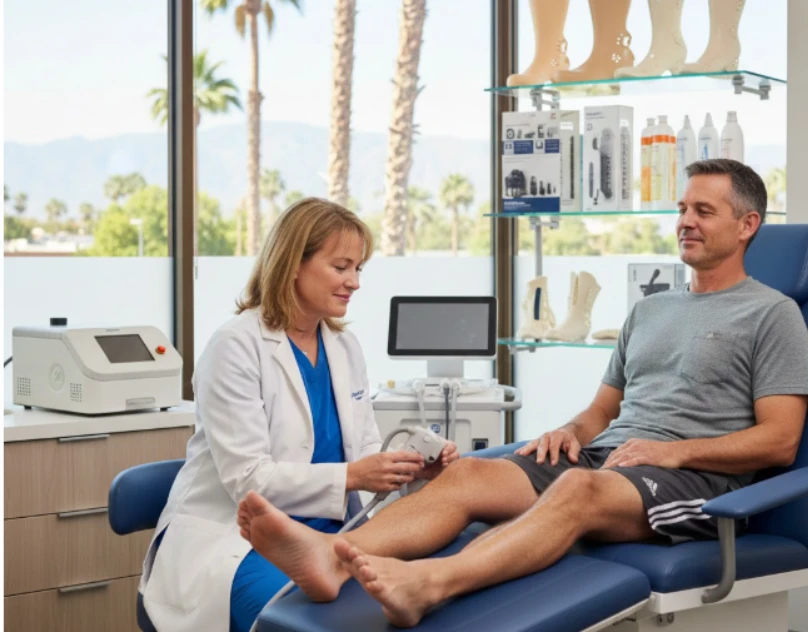

Post-surgical foot swelling can transform recovery from a straightforward process into a frustrating ordeal. Whether you've undergone bunion correction, ankle reconstruction, or fracture repair, managing edema effectively determines how quickly you return to normal activities. Understanding proven strategies to minimize inflammation not only accelerates healing but also reduces discomfort and prevents complications. If you're searching for expert guidance from a Foot Clinic Lancaster, CA, these evidence-based techniques will help you navigate the recovery journey with confidence and achieve optimal outcomes.
Why Foot Swelling Occurs After Surgery?
Surgical trauma triggers your body's natural inflammatory response. Blood vessels dilate, immune cells rush to the area, and fluid accumulates in tissue spaces. This biological defense mechanism, while essential for healing, creates the puffiness and tightness you experience. Gravity compounds the problem—your feet sit at the lowest point of your body, making fluid accumulation worse when standing or sitting for extended periods.
1. Elevate Your Foot Above Heart Level
The physics of circulation work in your favor when you position your surgical foot higher than your heart. This simple adjustment allows gravity to assist lymphatic drainage, pulling excess fluid away from the surgical site. Prop your leg on pillows while lying down, ensuring your ankle sits several inches above your chest. Maintain this position for at least 30 minutes every two hours during waking hours, especially within the first 72 hours post-surgery.
2. Apply Ice Therapy Strategically
Cold therapy constricts blood vessels and numbs nerve endings, delivering dual benefits of reduced swelling and pain relief. Wrap ice packs in thin towels and apply them to the affected area for 15-20 minute intervals. Never place ice directly against skin—this causes tissue damage. Schedule icing sessions every 2-3 hours during the first week, gradually decreasing frequency as inflammation subsides. Cryotherapy remains one of the most effective non-pharmacological interventions for post-operative edema.
3. Use Compression Garments Correctly
Graduated compression wraps or stockings create external pressure that counteracts fluid buildup. These medical-grade garments apply firmest pressure at the ankle, gradually decreasing toward the calf. This pressure gradient encourages fluid movement toward the heart. Follow your surgeon's specific recommendations regarding compression type and duration—over-tightening restricts circulation, while insufficient pressure provides minimal benefit. A qualified Foot Clinic Lancaster, CA professional can demonstrate proper application techniques.
4. Perform Gentle Range-of-Motion Exercises
Controlled movement pumps fluid through lymphatic channels without stressing surgical repairs. Ankle circles, toe flexion, and calf pumps activate muscle contractions that squeeze vessels and promote drainage. Start these exercises as soon as your surgeon approves, typically within 24-48 hours post-procedure. Perform 10-15 repetitions every hour while awake, stopping immediately if pain intensifies or swelling increases.
5. Stay Hydrated With Strategic Nutrition
Counterintuitively, drinking more water reduces swelling. Proper hydration helps kidneys flush excess sodium—the primary culprit behind fluid retention. Simultaneously, minimize salt intake by avoiding processed foods, canned soups, and restaurant meals. Incorporate anti-inflammatory foods rich in omega-3 fatty acids, vitamin C, and bromelain. Pineapple, fatty fish, berries, and leafy greens support natural healing mechanisms while combating inflammation.
6. Follow Your Medication Regimen Precisely
Your surgeon prescribes medications for specific therapeutic purposes. Anti-inflammatory drugs reduce prostaglandin production, directly addressing swelling at the cellular level. Take prescribed doses at scheduled intervals—skipping doses creates gaps in coverage that allow inflammation to escalate. If over-the-counter options are recommended, understand that consistent dosing proves more effective than sporadic use.
7. Limit Weight-Bearing According to Instructions
Premature weight-bearing increases blood flow to healing tissues, exacerbating swelling and potentially compromising surgical repairs. Use prescribed walking aids—crutches, walkers, or knee scooters—exactly as demonstrated. When you must stand, shift weight frequently and minimize duration. Progressive weight-bearing follows a careful timeline established by your surgical team based on procedure type and healing progression.
8. Prioritize Quality Sleep Positioning
Nighttime presents eight uninterrupted hours for optimal fluid drainage. Position pillows to maintain foot elevation throughout sleep cycles. Side sleepers should place cushions between knees to prevent hip rotation that lowers the surgical foot. Back sleepers benefit from wedge pillows that elevate the entire lower body. Quality rest also enhances immune function and tissue repair—your body performs critical healing work during deep sleep stages.
9. Monitor for Warning Signs of Complications
Normal post-surgical swelling gradually improves. Concerning symptoms that require immediate medical attention: swelling that suddenly worsens after initial improvement, skin that feels hot to the touch, red streaks extending from the surgical site, fever above 101°F, or severe pain unrelieved by prescribed medications. These indicators may signal infection or deep vein thrombosis—serious conditions requiring urgent intervention.
10. Attend All Follow-Up Appointments
Regular monitoring allows your surgical team to assess healing progression and adjust recovery protocols. A trusted Foot Clinic Lancaster, CA specialist evaluates incision integrity, swelling patterns, and range of motion restoration. These visits provide opportunities to address concerns, modify treatment plans, and receive clearance for activity advancement. Skipping appointments risks missing complications during critical healing windows.
Understanding Individual Recovery Timelines
Every patient heals differently based on age, overall health, procedure complexity, and adherence to post-operative protocols. Minor surgeries may show significant swelling reduction within two weeks, while extensive reconstructions require months for complete resolution. Patience combined with consistent implementation of these strategies yields the best outcomes. Track your daily progress—gradual improvement confirms you're on the right path.
Recovery from foot surgery demands active participation in your healing process. Implementing these ten evidence-based strategies significantly reduces swelling, minimizes discomfort, and accelerates your return to daily activities. Remember that professional guidance from experienced podiatric specialists ensures you navigate recovery safely and effectively. Don't leave your healing to chance—contact qualified foot care professionals today to discuss personalized recovery support and ensure your surgical investment delivers lasting results.




























Sign in to leave a comment.