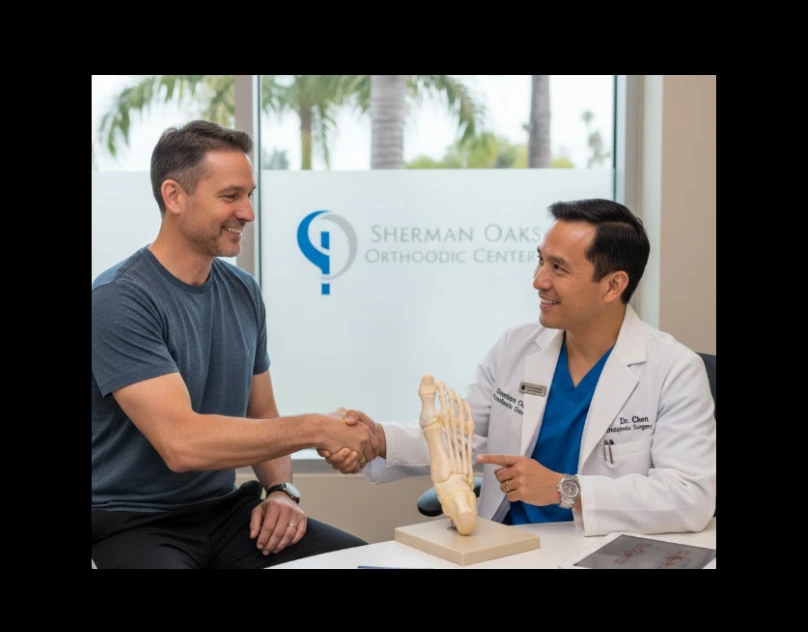

If you're dealing with painful, overlapping toes caused by bunions, you're not alone. Thousands of people in the Los Angeles area search for effective, lasting solutions every year. Choosing the right bunion surgery Sherman Oaks, CA, isn't just about finding a clinic—it's about finding a surgeon who understands your unique foot structure, lifestyle, and recovery goals. Overlapping toes often develop when a bunion (hallux valgus) progresses, pushing the big toe toward or even over the second toe. This guide will walk you through what to look for when selecting the best bunion surgeon near Sherman Oaks, what questions to ask, and how to ensure you're making a decision that leads to genuine, long-term relief.
Understanding Bunions and Overlapping Toes
Bunions are bony bumps that form at the base of the big toe, typically caused by genetic predisposition, improper footwear, or biomechanical imbalances. According to Wikipedia, bunions affect approximately 23% of adults, with higher prevalence in women. When left untreated, the misalignment worsens, causing the big toe to drift laterally—sometimes overlapping adjacent toes.
Overlapping toes create a cascade of problems:
- Chronic pain and inflammation
- Difficulty wearing shoes comfortably
- Increased risk of corns, calluses, and skin irritation
- Altered gait patterns that affect the knees, hips, and lower back
- Reduced mobility and quality of life
Surgery becomes necessary when conservative treatments—orthotics, toe spacers, anti-inflammatory medications—no longer provide adequate relief.
What Makes a Bunion Surgeon the Best Choice?
Not all podiatric surgeons have equal expertise in complex bunion corrections. When researching the best bunion surgeon near Sherman Oaks, prioritize these qualifications:
Board Certification and Specialized Training
Look for surgeons certified by the American Board of Foot and Ankle Surgery (ABFAS) with fellowship training in forefoot reconstruction. Advanced credentials indicate they've completed rigorous exams and hands-on surgical experience specifically in bunion correction.
Experience with Overlapping Toe Corrections
Overlapping toes require nuanced surgical planning. Ask potential surgeons about their experience with combined procedures—bunionectomy plus soft tissue realignment or joint releases. A skilled surgeon will explain how they'll address both the bunion and the toe overlap simultaneously.
Modern Surgical Techniques
The best surgeons stay current with minimally invasive approaches, including percutaneous bunionectomy and Lapidus procedures. These techniques often mean smaller incisions, less post-operative pain, and faster recovery compared to traditional open surgery.
Transparent Communication Style
Your surgeon should thoroughly explain procedure options, realistic recovery timelines, potential risks, and expected outcomes. Beware of anyone who guarantees perfect results or dismisses your concerns.
Key Questions to Ask During Your Consultation
A consultation is your opportunity to evaluate both the surgeon's expertise and whether their approach aligns with your needs. Come prepared with these questions:
- How many bunion surgeries with overlapping toe corrections do you perform annually?
- Which specific surgical technique do you recommend for my case, and why?
- What is your complication rate, and how do you handle post-surgical issues?
- What does the typical recovery timeline look like for someone with my activity level?
- Will I need physical therapy, and for how long?
- What percentage of your patients return to their normal activities without ongoing pain?
Pay attention to how thoroughly they answer. The best bunion surgeon in Sherman Oaks will provide detailed, personalized responses rather than generic statements.
Evaluating Surgical Techniques for Your Specific Needs
Different bunion severities and anatomical variations require different surgical approaches. Here's what you should understand:
Osteotomy Procedures
These involve cutting and realigning the bone. Chevron, scarf, and rotational scarf osteotomies are common for moderate to severe bunions. They're highly effective but require precise execution to prevent recurrence.
Arthrodesis (Fusion) Procedures
When bunions are accompanied by severe arthritis or hypermobility, fusing the first metatarsal-cuneiform joint (Lapidus procedure) provides exceptional stability. Recovery takes longer, but long-term outcomes are excellent for appropriate candidates.
Soft Tissue Corrections
Overlapping toes often need tendon releases, capsule repairs, or ligament reconstructions alongside bone realignment. Surgeons who integrate these techniques demonstrate a comprehensive understanding of foot biomechanics.
Minimally Invasive Options
Small-incision bunion surgery reduces scarring and may speed initial recovery, but it's not suitable for all cases. Ensure your surgeon honestly assesses whether you're a candidate rather than promoting it universally.
What to Expect During Recovery?
Recovery varies based on procedure complexity, your overall health, and adherence to post-operative protocols. Generally:
Immediate Post-Op (Weeks 1-2)
Expect limited weight-bearing with a surgical boot or special shoe. Elevation and ice are crucial to manage swelling. Most patients need help with daily activities during this phase.
Early Recovery (Weeks 3-6)
Progressive weight-bearing begins. Physical therapy may start to restore the range of motion and prevent stiffness. Swelling gradually decreases but can persist for months.
Mid Recovery (Weeks 7-12)
Transition to supportive athletic shoes. Most people return to desk jobs around this time, though standing occupations take longer. Light exercise, like swimming or stationary cycling, becomes possible.
Full Recovery (3-6 Months)
Bone healing is complete, and you can resume most normal activities. Full swelling resolution and maximum strength return may take up to a year.
Your surgeon should provide a written recovery plan with specific milestones and restrictions tailored to your procedure.
Red Flags to Avoid When Choosing a Surgeon
Be cautious of practices that exhibit these warning signs:
- High-pressure sales tactics or pushing surgery when you're uncertain
- Vague answers about their surgical experience or outcomes
- Lack of hospital privileges (suggests peers haven't credentialed them)
- Office staff who can't clearly explain insurance coverage or costs
- No follow-up protocol or limited post-operative availability
- Online reviews consistently mention poor communication or complications.
Trust your instincts. If something feels off during your consultation, seek a second opinion.
Making the Final Decision
After consulting with multiple surgeons, compare them across these dimensions:
Technical Competence
Who demonstrated the deepest understanding of your specific anatomy and presented the most comprehensive surgical plan?
Communication and Rapport
Who made you feel heard, respected, and confident in your abilities?
Logistical Considerations
Which practice has a convenient location, surgery center partnerships, and staff who handle insurance efficiently?
Outcomes and References
If possible, ask to speak with past patients who had similar procedures. Reputable surgeons often facilitate this.
The right choice combines surgical excellence with a supportive care environment that prioritizes your long-term success.
Taking the Next Step Toward Pain-Free Feet
Choosing bunion surgery in Sherman Oaks, CA, for relief of overlapping toes is a significant decision that deserves careful research and consideration. By focusing on surgeon credentials, asking the right questions, understanding your surgical options, and setting realistic recovery expectations, you'll position yourself for the best possible outcome. Don't let fear or uncertainty keep you living with chronic pain—the right surgical team can restore your mobility, comfort, and confidence. Start your journey by scheduling consultations with board-certified foot and ankle specialists who have proven track records in complex bunion corrections. Your feet carry you through life—invest in expertise that will serve you for decades to come.




























Sign in to leave a comment.