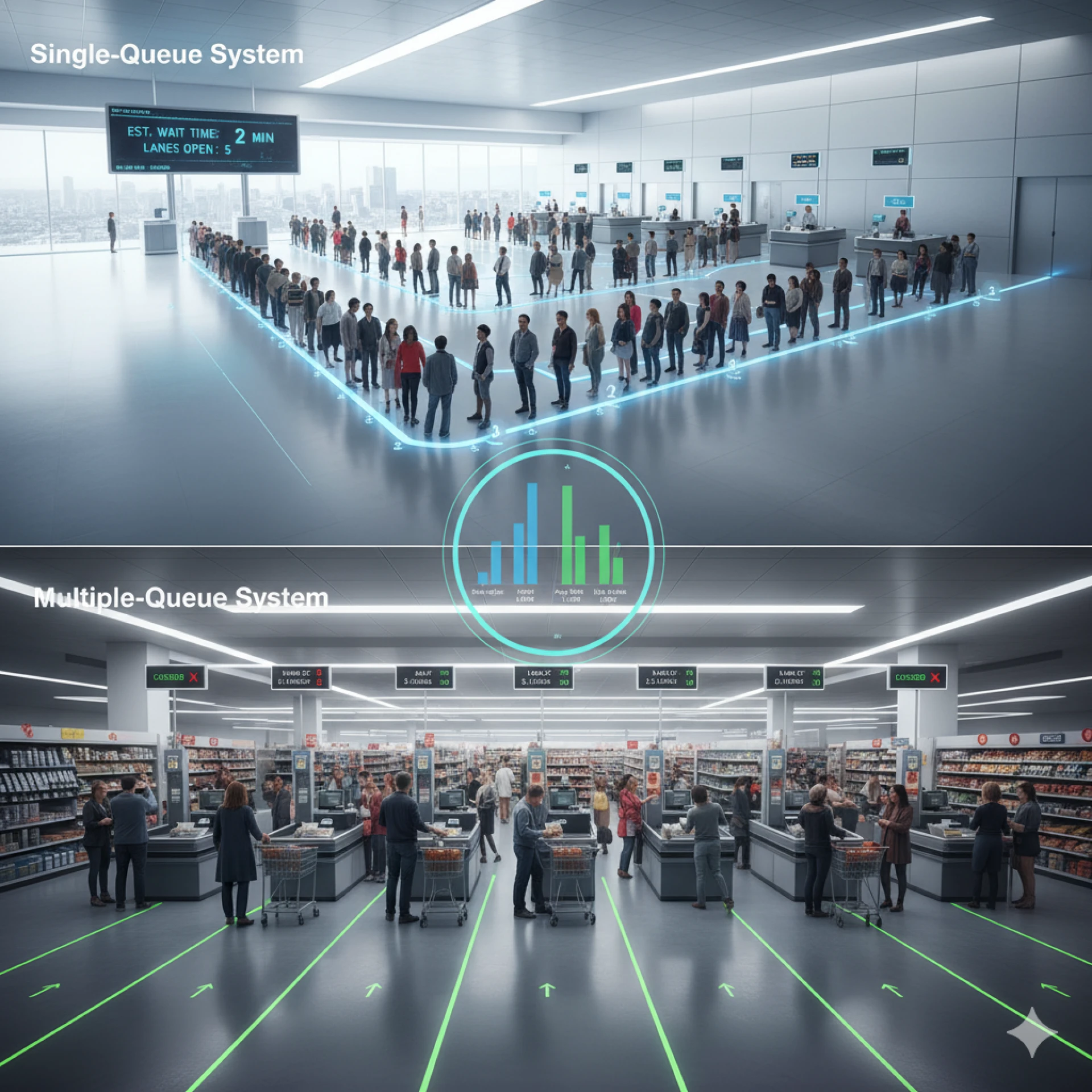

Supermarkets have evolved far beyond traditional grocery stores. In today’s fast-paced retail world, they operate as dynamic, high-traffic environments where customer flow, aisle movement, and operational planning directly influence sales and day-to-day efficiency. To stay competitive, retailers must move beyond guesswork and embrace data-driven strategies that improve service quality and boost profitability.
In this environment, footfall counting software has become an essential asset. It provides real-time insights into visitor flow, peak shopping hours, aisle traffic, and overall customer behavior. From predicting rush-hour crowds to optimizing inventory cycles and preventing checkout bottlenecks, advanced footfall analytics is transforming traditional supermarket operations into smart, efficient, and customer-focused ecosystems.
What is Footfall Analytics?
Footfall analytics is the process of collecting and analyzing data about the number of people entering, moving within, and exiting a supermarket. Unlike basic counters, modern systems use AI-powered sensors and intelligent video analytics to provide:
- Visitor count accuracy
- Heatmaps of customer movement
- Dwell time insights across aisles
- Queue length monitoring
- Staff-to-customer ratio analysis
- Conversion rates (visitors vs buyers)
- Repeated visits and customer patterns
This rich data helps store managers make informed decisions, improve operations, and maximize customer satisfaction.
1. Smart Staff Allocation Based on Footfall Patterns
Effective staffing is a critical component of supermarket management. Overstaffing results in unnecessary labor expenses, while understaffing leads to long queues and poor customer service.
Footfall analytics solves this by enabling retailers to:
✔ Identify peak and off-peak hours
AI systems detect busy periods—weekday evenings, weekends, or seasonal spikes—allowing managers to schedule manpower accordingly.
✔ Improve staff distribution across zones
For example:
- Deploying more staff at checkout during high footfall
- Adding support in heavily visited aisles
- Scheduling cleaning staff right after rush-hour
✔ Maintain consistent service quality
With real-time footfall insights, staff can be dynamically reassigned based on customer flow.
This not only improves customer satisfaction but also ensures optimal use of workforce resources.
2. Optimizing Inventory Through Data-Driven Insights
Inventory management is one of the most complex tasks in supermarkets, where demand fluctuates rapidly and shelf replenishment must be precise.
Footfall analytics helps supermarkets manage inventory more efficiently by:
✔ Monitoring high-traffic aisles
If footfall data shows consistent visits to the dairy or snacks aisle, replenishment frequency can be adjusted.
✔ Linking footfall with actual sales
Retailers can identify products customers view often but don’t buy—indicating issues with pricing, placement, or packaging.
✔ Improving product arrangement
Heatmaps reveal the most and least visible areas, helping supermarkets place high-margin or promotional items in highly visited locations.
✔ Forecasting demand accurately
Seasonal, weekly, and hourly patterns help predict stock requirements, reducing both overstocking and stockouts.
These insights help retailers maintain product availability while reducing wastage and operational costs.
3. Reducing Checkout Wait Times with Queue Analytics
Long queues are one of the biggest pain points for supermarket customers. They directly contribute to cart abandonment and brand dissatisfaction.
AI-based footfall analytics helps with:
✔ Real-time queue monitoring
Systems detect when queue length increases and notify staff instantly.
✔ Automatic checkout counter optimization
Managers receive alerts to open new counters before congestion builds.
✔ Analyzing average wait times
This helps supermarkets plan future staffing and counter distribution.
✔ Preventing customer frustration
Fast, efficient checkouts lead to higher customer loyalty and repeat visits.
By reducing waiting time, supermarkets create seamless shopping experiences that customers appreciate.
4. Enhancing Store Layout & Traffic Flow
Understanding how customers move across aisles is essential for effective store design. Footfall analytics provides heatmaps and movement trails that reveal:
- High-engagement zones
- Bottleneck areas
- Underutilized sections
- Preferred shopping paths
Based on this data, supermarkets can:
✔ Redesign aisles to reduce congestion
Wider pathways in high-traffic zones make movement easier.
✔ Place key products strategically
High-margin and seasonal items can be positioned along natural movement paths.
✔ Improve promotional placement
Promotions and offers can be displayed in zones with maximum visibility.
With an optimized layout, supermarkets increase browsing time and purchasing probability.
5. Understanding Customer Behavior for Better Experience
Footfall analytics gives supermarkets deep insights into how customers behave:
- Where they go first
- How long they stay in each aisle
- Which areas they ignore
- Whether they return frequently
- How long they spend inside the store
These insights help supermarkets:
- Improve product assortment
- Plan targeted promotions
- Deliver personalized customer experiences
- Improve ambience and navigation
- Increase customer satisfaction and loyalty
When supermarkets understand their shoppers better, they can serve them better.
6. Increasing Sales Through Footfall Insights
Footfall analytics doesn’t just help with operations—it directly boosts sales by enabling:
✔ Conversion rate improvement
Comparing visitor count with sales helps identify in-store issues.
✔ Optimized promotions
AI reveals which promotional displays attract attention and which fail.
✔ Better weekend and festival planning
Footfall predictions ensure maximum staff and stock availability.
✔ Smarter marketing strategies
Retailers can run campaigns when footfall is highest—ensuring better ROI.
By analyzing the customer journey from entry to checkout, supermarkets can tap into new sales opportunities.
Nextbrain: Your Trusted Footfall Analytics Partner for Supermarkets
Nextbrain is a leading AI and computer vision development company helping supermarkets gain accurate customer insights through advanced footfall analytics solutions.
Why Retailers Choose Nextbrain:
✔ AI-powered footfall counting solutions
Providing 98% accurate visitor tracking with real-time dashboards.
✔ Intelligent heatmaps & queue analytics
Understand movement patterns, congested zones, and checkout performance.
✔ Easy integration with POS & inventory systems
Make your retail operations fully data-driven.
✔ Custom analytics dashboards
Track footfall, sales, dwell time, queue length, and zone-wise insights.
✔ End-to-end implementation
From strategy to deployment and optimization, Nextbrain ensures smooth adoption.
If you want to transform your supermarket into a smart, high-performing retail ecosystem, Nextbrain is the ideal partner.
Conclusion
Footfall analytics is an essential tool for modern supermarkets aiming to improve operational efficiency, reduce costs, and elevate customer experience. By understanding customer movement, predicting busy hours, optimizing layout, and enhancing checkout speed, supermarkets can significantly boost sales and streamline operations.
As consumer expectations continue to evolve, retailers who adopt smart, AI-driven tools will lead the market.
To unlock the full power of AI-driven footfall analytics, contact Nextbrain today and begin your journey toward smarter retail management.
FAQs
1. What is footfall analytics in supermarkets?
Footfall analytics uses sensors, cameras, and AI to track how customers move inside a supermarket. It helps optimize store layout, staffing, and product placement for better efficiency.
2. How does footfall counting help improve checkout efficiency?
AI-based systems monitor queue length in real time, send alerts to open new counters, and analyze average wait times—ensuring faster checkouts and reduced congestion.
3. Can footfall analytics help supermarkets plan inventory better?
Yes. Insights from footfall trends across aisles help retailers predict demand, reduce stockouts, and improve replenishment schedules.
4. How do footfall insights improve customer experience?
They help supermarkets understand customer behavior, plan better store layouts, run smarter promotions, and enhance overall shopping convenience.
5. Why should supermarkets invest in footfall counting software?
Because footfall counting software provides accurate, real-time insights that help optimize staffing, inventory, promotions, and store design—ultimately increasing sales and customer satisfaction.





















Sign in to leave a comment.