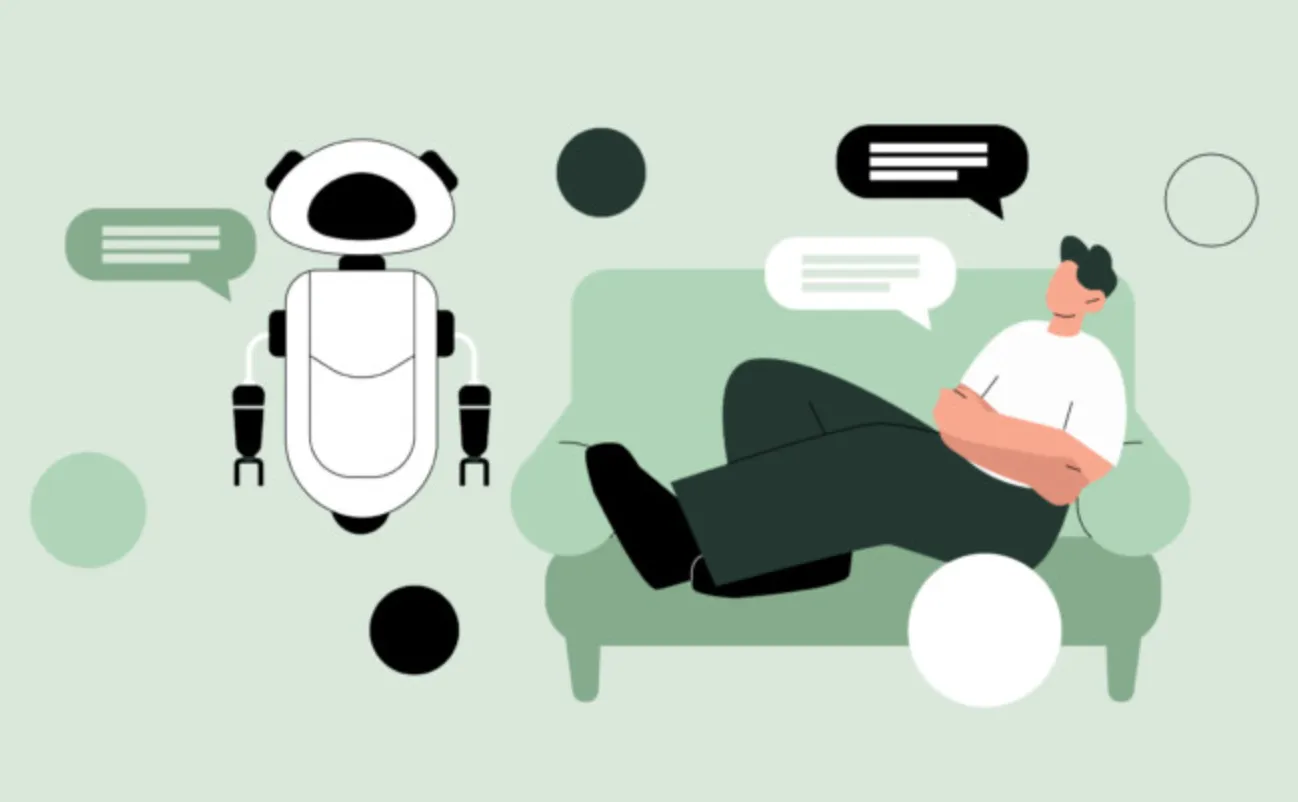

For many people, social interactions happen naturally. They can walk into a room, start conversations, express their opinions, and connect with others without giving it much thought.
For someone experiencing social anxiety, the experience can feel completely different.
A simple conversation may trigger intense worry. Introducing yourself to new people can feel overwhelming. Speaking in a meeting may create hours of stress before and after the event. Even sending a message or making a phone call can become a source of anxiety.
Social anxiety is not simply shyness.
It is a persistent fear of being judged, criticized, embarrassed, or negatively evaluated by others. These fears can affect relationships, careers, education, and overall quality of life.
As awareness of mental health continues to grow, more individuals are exploring free AI therapy as a way to better understand social anxiety and develop greater confidence in everyday interactions.
Why Social Anxiety Is More Than Nervousness
Most people feel nervous occasionally.
Job interviews, presentations, first dates, and important conversations naturally create some level of discomfort. These experiences are part of being human.
Social anxiety becomes different when fear begins influencing behavior regularly.
Someone may avoid speaking up even when they have valuable ideas. They may decline invitations because social situations feel too stressful. They may spend hours replaying conversations afterward, searching for mistakes that others likely never noticed.
The fear is not necessarily the interaction itself.
The fear is often the possibility of negative judgment.
This fear can become exhausting over time.
How Social Anxiety Creates a Cycle
One of the most challenging aspects of social anxiety is that it often reinforces itself.
A person feels anxious about a social situation, so they avoid it. Avoidance provides temporary relief. However, because the situation was avoided, the brain never learns that the feared outcome may not happen.
As a result, the anxiety remains.
The next social situation feels just as threatening, or sometimes even more threatening than before.
Over time, avoidance can reduce opportunities for connection, personal growth, and confidence-building experiences.
Breaking this cycle requires awareness and gradual exposure to new experiences.
Why Modern Life Can Increase Social Anxiety
Technology has created incredible opportunities for communication, but it has also introduced new challenges.
Many interactions now happen online. People carefully edit messages, review responses, and control how they present themselves. While this can feel safer, it sometimes reduces opportunities to build confidence through spontaneous face-to-face interactions.
Social media can also intensify self-consciousness.
People compare themselves to others constantly. They see curated versions of other people's lives and assume everyone else is more confident, successful, or socially skilled.
These comparisons often make social anxiety worse rather than better.
Why More People Are Using AI Therapy for Social Anxiety
One reason AI therapy is becoming popular among individuals with social anxiety is that it provides a low-pressure environment for reflection.
Many people find it easier to discuss concerns when they do not feel judged.
AI therapy allows users to explore fears, examine thought patterns, and better understand what triggers anxiety.
Instead of suppressing worries, individuals can discuss them openly and gain perspective on situations that may feel overwhelming.
This process helps build awareness, which is often the first step toward meaningful change.
How Free AI Therapy Supports Confidence Building
Confidence does not appear overnight.
It develops gradually through experience, self-awareness, and repeated opportunities to challenge limiting beliefs.
A therapy ai free platform can support this process by encouraging users to reflect on social experiences in a constructive way.
Instead of focusing exclusively on perceived mistakes, individuals can examine what went well, what they learned, and what assumptions may have influenced their anxiety.
This shift in perspective often reduces self-criticism and encourages healthier thinking patterns.
Over time, these small changes can contribute to greater confidence.
How a Therapist AI Helps Challenge Fear of Judgment
People with social anxiety frequently assume others are paying far more attention to them than they actually are.
A brief pause in conversation becomes evidence of awkwardness. A neutral facial expression becomes evidence of disapproval. A delayed response becomes evidence of rejection.
These interpretations feel real because anxiety makes them feel important.
A therapist AI helps users examine these assumptions more carefully.
Questions such as "What evidence supports this belief?" or "Could there be another explanation?" encourage more balanced thinking.
This does not eliminate anxiety immediately, but it helps reduce the influence of automatic negative assumptions.
Why Social Anxiety Often Leads to Overthinking
Social anxiety and overthinking are closely connected.
Many people replay conversations repeatedly after they happen. They analyze what they said, how they sounded, and whether they made mistakes.
The problem is that this analysis rarely leads to useful conclusions.
Instead, it often increases self-consciousness and emotional exhaustion.
Through AI therapy, individuals can explore these concerns more objectively rather than becoming trapped in repetitive mental loops.
The goal is not to analyze every interaction perfectly.
The goal is to learn from experiences without becoming consumed by them.
Why Therapy AI Free Platforms Appeal to Many Users
A therapy AI free platform offers accessibility that traditional resources cannot always provide.
Support is available whenever anxiety appears.
Someone preparing for an important meeting can reflect beforehand. A student feeling nervous about a presentation can process those concerns immediately. An individual who is overthinking a social interaction can discuss it before anxiety continues escalating.
This flexibility makes emotional support easier to incorporate into everyday life.
For many users, that accessibility becomes one of the most valuable benefits.
What Social Confidence Really Means
Many people believe confidence means never feeling nervous.
In reality, confidence often means taking action despite nervousness.
Confident people do not necessarily avoid anxiety. They simply refuse to let anxiety make every decision for them.
Building social confidence involves accepting that discomfort is part of growth.
Every conversation, presentation, introduction, and interaction becomes an opportunity to develop new experiences that challenge anxious assumptions.
Progress rarely happens all at once.
It happens through small moments repeated consistently over time.
Understanding the Limits of AI Therapy
Although AI therapy can provide valuable support, it is not a replacement for professional mental health care.
Individuals experiencing severe social anxiety, panic attacks, depression, trauma-related symptoms, or significant emotional distress should seek support from qualified professionals.
AI therapy works best as a tool for self-reflection, emotional awareness, and personal growth.
Its role is to complement emotional wellness efforts rather than replace clinical treatment.
Final Thoughts
Social anxiety can make everyday interactions feel far more difficult than they need to be. The fear of judgment, embarrassment, or rejection often creates barriers that prevent people from fully participating in life.
Whether you are exploring free AI therapy, learning more about AI therapy, considering the benefits of a therapist AI, or searching for a trusted therapy AI free platform, the most important thing to remember is that confidence is not the absence of fear.
Confidence is the willingness to move forward even when fear is present.
With greater self-awareness, reflection, and support, social situations can become less intimidating and more rewarding. Sometimes growth begins with a single conversation that proves you are more capable than your anxiety has led you to believe.
Social Media
https://www.instagram.com/wellzycare



























Sign in to leave a comment.