

The Forgotten Art of Knowing When Someone is Ready to Buy
Most marketing is built on a dangerous assumption: that prospects are a monolith. You create ads targeting "people interested in project management software." You build a homepage for "busy managers." You send emails to "engaged subscribers."
But here's the reality: on any given Tuesday, your website has someone who's 80% decided to buy, sitting right next to someone who's just exploring options 15% convinced you're even relevant.
How you treat both of these people the same way is, frankly, leaving money on the table. The difference between a $100,000 year and a $500,000 year often comes down to one simple skill: knowing who's ready and meeting them exactly where they are.
The Buying Journey Nobody Talks About
Most discussions of "buyer journey" talk about awareness, consideration, and decision. Clean, linear, predictable. The actual journey is messier.
You have someone who landed on a case study at 11 AM, read your pricing page, scrolled testimonials, took a screenshot, sent it to their team, and is now reading your blog at 3 PM. They've clearly moved beyond casual interest.
You have someone else who bounced around 5 pages, clicked to a competitor, came back an hour later, and is now reading detailed feature docs.
You have a third person who's visited twice, opened every email, and is now looking at implementation details.
All three are on your site right now. They're showing different levels of buying intent. But your engagement strategy probably treats them identically.
The Cost of One-Size-Fits-All Engagement
When you treat everyone the same, you inevitably serve no one well. You might be:
- Interrupting the casual browser with a "let's demo" prompt they're nowhere near ready for
- Failing to catch the near-ready buyer because your prompt is buried under generic content
- Sending the same email sequence to someone in their first day of research and someone in their last day of evaluation
- Missing the moment when someone's conviction is highest
Each of these errors compounds. You lose conversions to interruption. You lose conversions to invisibility. You lose conversions to bad timing.
Reading the Room: Understanding Intent Signals
Here's where conversion analytics becomes something more than just "measuring conversions." It becomes understanding intent.
High Intent Signals:
- Visiting your pricing page multiple times
- Spending 5+ minutes on implementation details
- Reading case studies in their specific industry
- Checking testimonials or security documentation
- Coming back to your site within 24 hours
Medium Intent Signals:
- Reading comparison content (your product vs competitors)
- Exploring feature pages
- Downloading resources
- Engaging with product walkthroughs
Early Stage Signals:
- First-time visitors
- People on blog content only
- Those clicking around without pattern
- Bouncing between pages quickly
Each signal tells you something. And when you see these signals in real-time, you can adjust what you offer, when you offer it, and how you frame it.
Meeting People at the Moment They're Ready
Here's where smart engagement actually works:
For the early-stage browser:
They don't need a demo booking prompt. They need permission to explore. They might benefit from "Here's a 5-minute orientation so you don't miss the important parts" or "These are the most popular features for companies like yours." You're being helpful without being pushy.
For the consideration-stage evaluator:
They're reading comparisons and checking security and integrations. They need reassurance, not more features. What works: "Most teams in your position ask about these 3 things—here are the answers." You're proving you understand their stage.
For the near-ready buyer:
They're on pricing and have seen case studies. They're this close to deciding. Now is when you can say: "Let's make sure the Pro plan is actually the right fit for your team size. Mind if I walk through the differences?" You're not pushing to close—you're ensuring they choose wisely, which builds trust and reduces post-purchase buyer's remorse.
The Difference Between Annoying and Helpful
This is where mature decision-makers appreciate excellence. They hate interruption. They love genuine help. The difference is context.
A business leader visiting your pricing page who gets a well-timed, brief offer to clarify doesn't see that as annoying—they see it as a useful service. The same leader bombarded with "chat now!" pop-ups across multiple pages sees a company that's more interested in metrics than manners.
Your job is the former. You're not trying to trick people into conversations. You're making it easier for them to make good decisions.
What Changes When You Guide Right
When you actually align your engagement with where prospects are in their journey:
Conversion rates go up. Not because you're being more aggressive, but because fewer people get interrupted and more people get helped at the right moment.
Sales conversations become easier. Your reps talk to fewer unqualified prospects and more people who've already confirmed your relevance.
Deal size increases. When someone's doing their own research and finding answers, they're more confident in bigger decisions. They've already justified it to themselves.
Onboarding improves. When you guided someone well before the sale, they're already mentally prepared for implementation. They bought with eyes open.
Building Your Own Guidance System
Start by mapping your actual customer journey. Not the one in your sales deck—the real one. When do most customers convert? What pages did they visit first? What content convinced them? How long was their research period?
What questions did they have? Did they contact you, or did something online resolve their doubt?
Once you understand this, you can strategically place guidance. Not everywhere—strategically. You're not trying to maximize chat interactions. You're trying to maximize conversions by reducing friction.
The best guidance often looks invisible. Someone lands on your pricing page and there's a simple note: "Confused about which plan? We've built a quick comparison based on company size." That's not interruption. That's respect for their intelligence.
Take Control of Your Customer Journey Today
The difference between a website that converts and one that doesn't often comes down to whether you're actually understanding where your visitors are and meeting them there.
Stop treating all visitors the same. Stop missing ready buyers. Stop interrupting casual browsers.
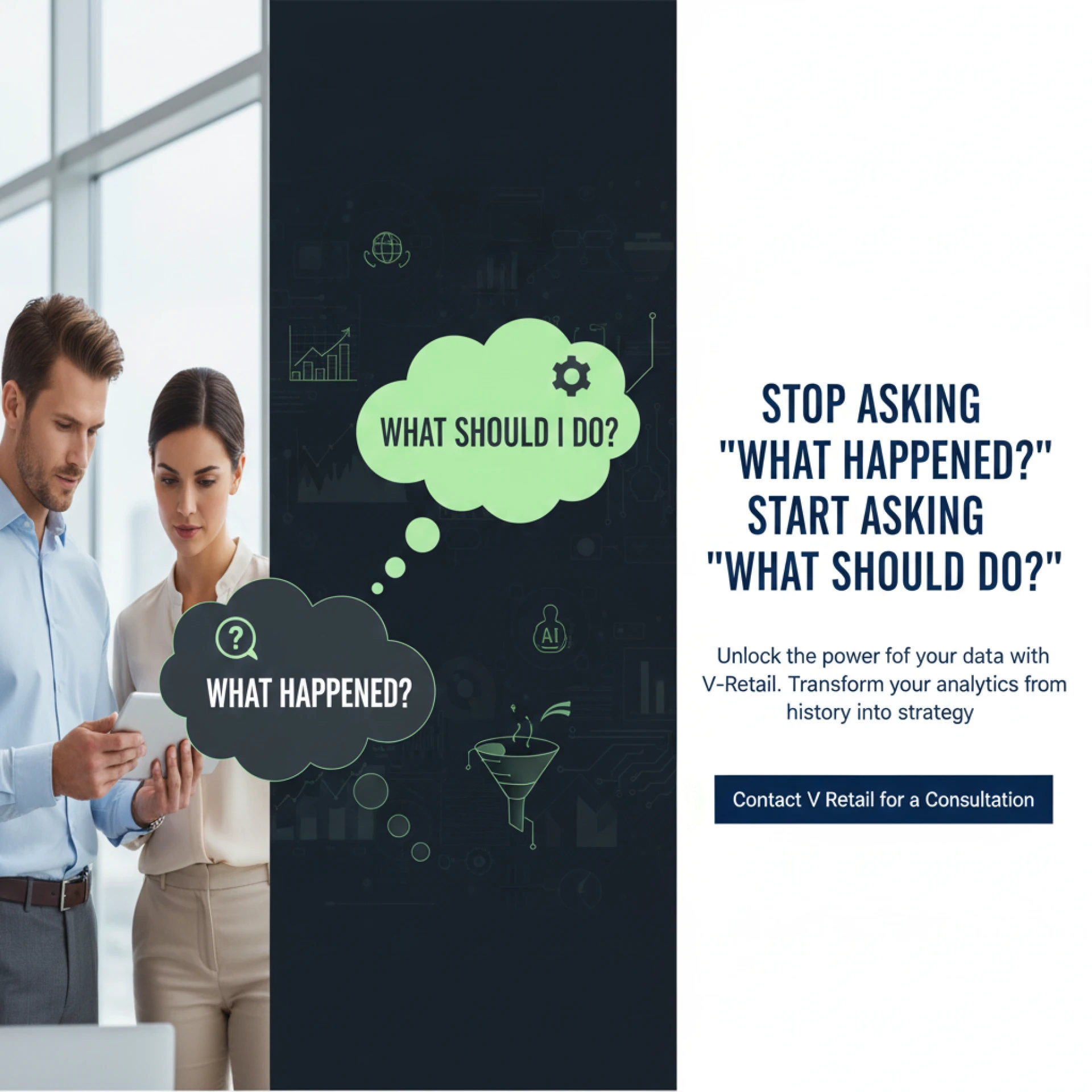
Learn how real conversion funnel analytics helps you see exactly where people are getting stuck and guide them forward. Talk to our team about building an engagement strategy that matches your actual customer journey.
Start your personalized consultation now and discover:
- Where your biggest conversion blockers are
- Which visitors are ready to buy right now
- How to guide each prospect to the right next step
Talk to our team about building an engagement strategy that matches your actual customer journey—let's build it together.



























Sign in to leave a comment.