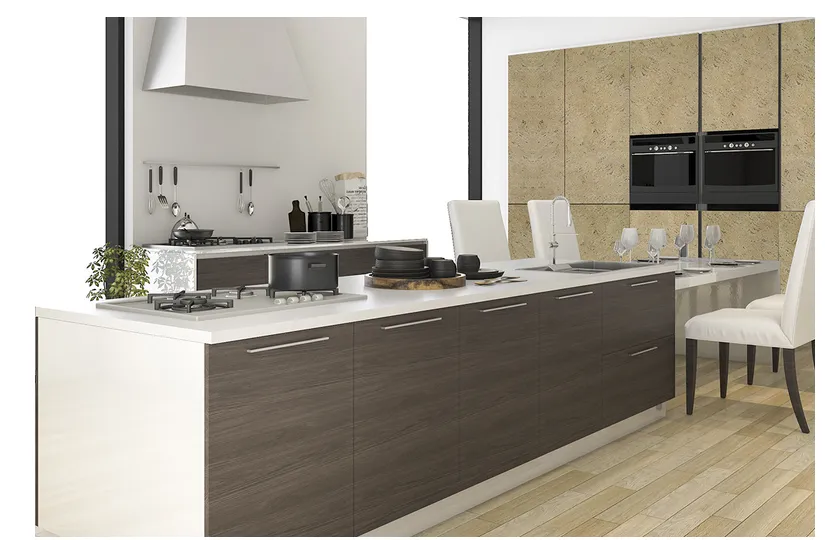

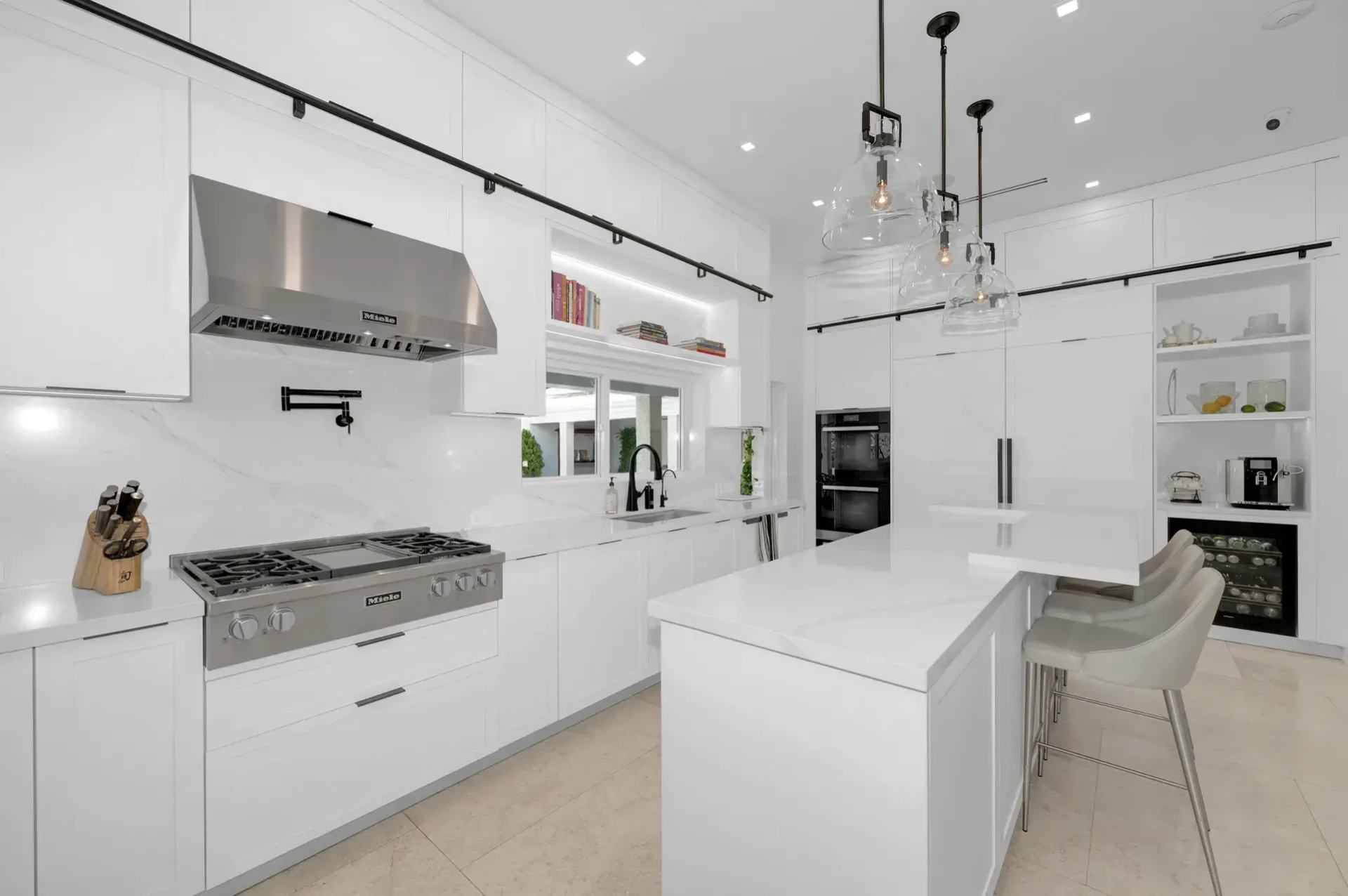
Kitchens are among the most demanding spaces in a home, where surfaces must withstand constant use, exposure, and regular cleaning. The materials chosen influence how a kitchen functions day to day and how well it holds up over time. HPL sheets have become a widely preferred option for such environments, offering the durability required for everyday use along with the design flexibility associated with modern kitchen laminates. This article explores where HPL sheets fit best within the kitchen, from cabinets to countertops, and how their application supports long-term performance.
Why HPL Sheets Are Well Suited to Kitchen Environments
Kitchens place continuous demands on surface materials, from frequent handling and cleaning to exposure to heat, moisture, and daily wear. HPL sheets are developed to perform reliably under these conditions, which is why they are widely used within high-use residential kitchens. Their layered construction and pressure-driven manufacturing process help deliver consistent performance where surface stability and durability are essential.
Key performance properties that support kitchen use include:
- High surface durability: High pressure laminate is manufactured using multiple layers compressed under high heat and pressure, resulting in a dense surface that resists scratches, abrasion, and everyday impact commonly encountered in kitchens.
- Surface stability under daily use: Premium-grade HPL from certified and leading manufacturers is designed to remain dimensionally stable despite frequent opening, closing, and temperature variations, helping surfaces retain alignment and finish over time.
- Resistance to stains and routine cleaning: Quality HPL sheets feature non-porous surfaces that resist staining and tolerate regular cleaning, making them suitable for kitchens where spills and wipe-downs are part of daily maintenance.
- Moisture-tolerant construction: While all kitchens involve some level of moisture, certified high pressure laminate options are developed to handle incidental exposure without surface degradation, supporting longer service life in kitchen settings.
- Hygiene-supporting surfaces: Select ranges from premium laminate manufacturer portfolios include treated surfaces that inhibit microbial growth, adding an extra layer of hygiene support in food-preparation zones.
Where HPL Sheets Are Used Across the Kitchen
Once material suitability is established, the real value of HPL sheets lies in how effectively they adapt across different kitchen surfaces. Their versatility allows them to meet varied functional demands while maintaining consistency throughout the space. Common kitchen laminate applications include the following areas, each with its own usage requirements.
- Cabinets and shutters: Cabinet shutters are among the most frequently handled surfaces in a kitchen. HPL is particularly suited here because it maintains surface consistency despite repeated opening, closing, and cleaning, helping cabinets retain a uniform appearance over time.
- Drawer fronts and internal panels: Drawers and internal panels experience constant contact and friction. Using HPL in these areas helps ensure surfaces remain stable and visually aligned with outer cabinetry, even with regular daily use.
- Kitchen countertop surfaces: When used with appropriate substrates, high pressure laminate works well on the kitchen countertop, offering a practical balance between durability and ease of maintenance for routine food preparation and cleaning activities.
- Backsplashes and wall panels: Areas near cooking zones are exposed to splashes and stains. Decorative laminates made using HPL are well suited here, as their non-porous surface supports easy cleaning while allowing visual coordination with the rest of the kitchen.
- Tall units and pantry structures: Full-height units benefit from materials that remain consistent across larger vertical spans. HPL sheets help maintain surface uniformity on tall cabinets and pantry doors, preventing visual breaks across extended surfaces.
- End panels and exposed sides: Exposed cabinet sides are often overlooked but highly visible. Applying HPL to these panels ensures finish continuity across the kitchen, reinforcing a cohesive and well-finished look.
Design Flexibility: Using HPL Sheets to Shape Kitchen Aesthetics
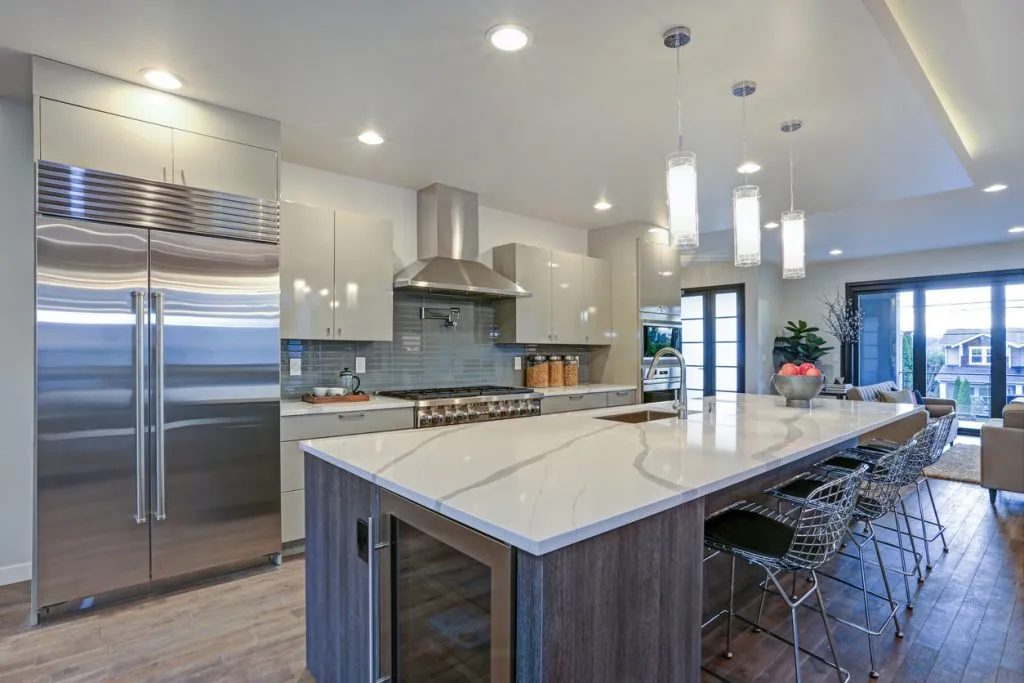
Beyond function, HPL sheets offer the freedom to shape the overall look and feel of a kitchen. Through colour, texture, and finish, they allow interiors to move seamlessly from subtle and understated to bold and expressive.
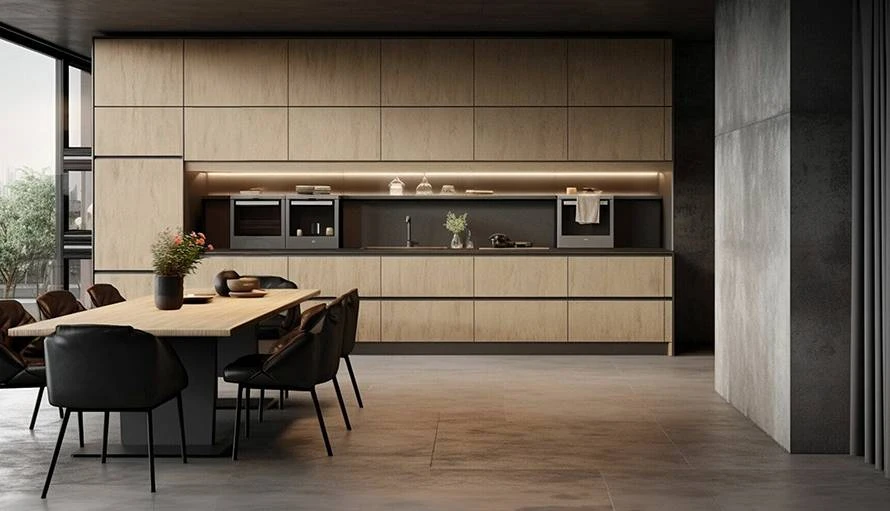
- Create calm with neutral palettes: Soft greys, warm beiges, and muted wood tones help kitchens feel open and balanced. Pair lighter surfaces with natural daylight to enhance a clean, uncluttered look.
- Add depth through texture: Textured decorative laminates introduce visual interest without relying on strong colour contrasts. They work well in kitchens that favour quiet sophistication over bold statements.
- Use contrast to define zones: Combining light and dark surfaces helps visually separate work areas from storage zones, especially in open-plan kitchens where definition matters.
- Play with reflective finishes: High-sheen surfaces can be used selectively to bounce light across the kitchen, making compact spaces feel brighter when balanced with softer finishes elsewhere.
- Highlight focal elements: Applying expressive laminates on an island unit or tall cabinet helps anchor the kitchen visually, allowing surrounding surfaces to remain more restrained.
- Coordinate with lighting: Under-cabinet and ambient lighting enhances surface finishes, allowing colours and textures to shift subtly through the day and complete the overall look.
Choosing the Right HPL Sheets for Your Kitchen
Before finalising HPL sheets for a kitchen, it helps to assess a few practical details that influence surface performance and long-term appearance.
- Confirm the intended application: Check whether the HPL is specified for shutters, vertical panels, or the kitchen countertop, as requirements vary by surface.
- Review exposure conditions: Identify areas exposed to moisture, heat, or frequent cleaning and ensure the selected HPL grade is suitable for those conditions.
- Evaluate finish practicality: Consider how the finish will look and behave once installed, especially in terms of visibility of fingerprints and marks.
- Ask about maintenance needs: Clarify cleaning recommendations and upkeep expectations to avoid finishes that demand more care than intended.
- Check consistency across sheets: If multiple panels are required, confirm colour and texture consistency across batches.
Choose High Pressure Laminates for Long-Lasting Kitchen Surfaces
When chosen thoughtfully, high pressure laminate offers a balanced combination of durability, versatility, and visual flexibility that suits the demands of modern kitchens. From everyday use to evolving design preferences, HPL sheets support surfaces that remain reliable and relevant over time. Looking beyond immediate aesthetics and considering long-term performance helps deliver better outcomes across cabinets, panels, and countertops. Equally important is sourcing materials from a reputed laminate company in India, where established manufacturing standards, certified processes, and consistent quality contribute to surfaces that perform as intended for years to come.





















Sign in to leave a comment.