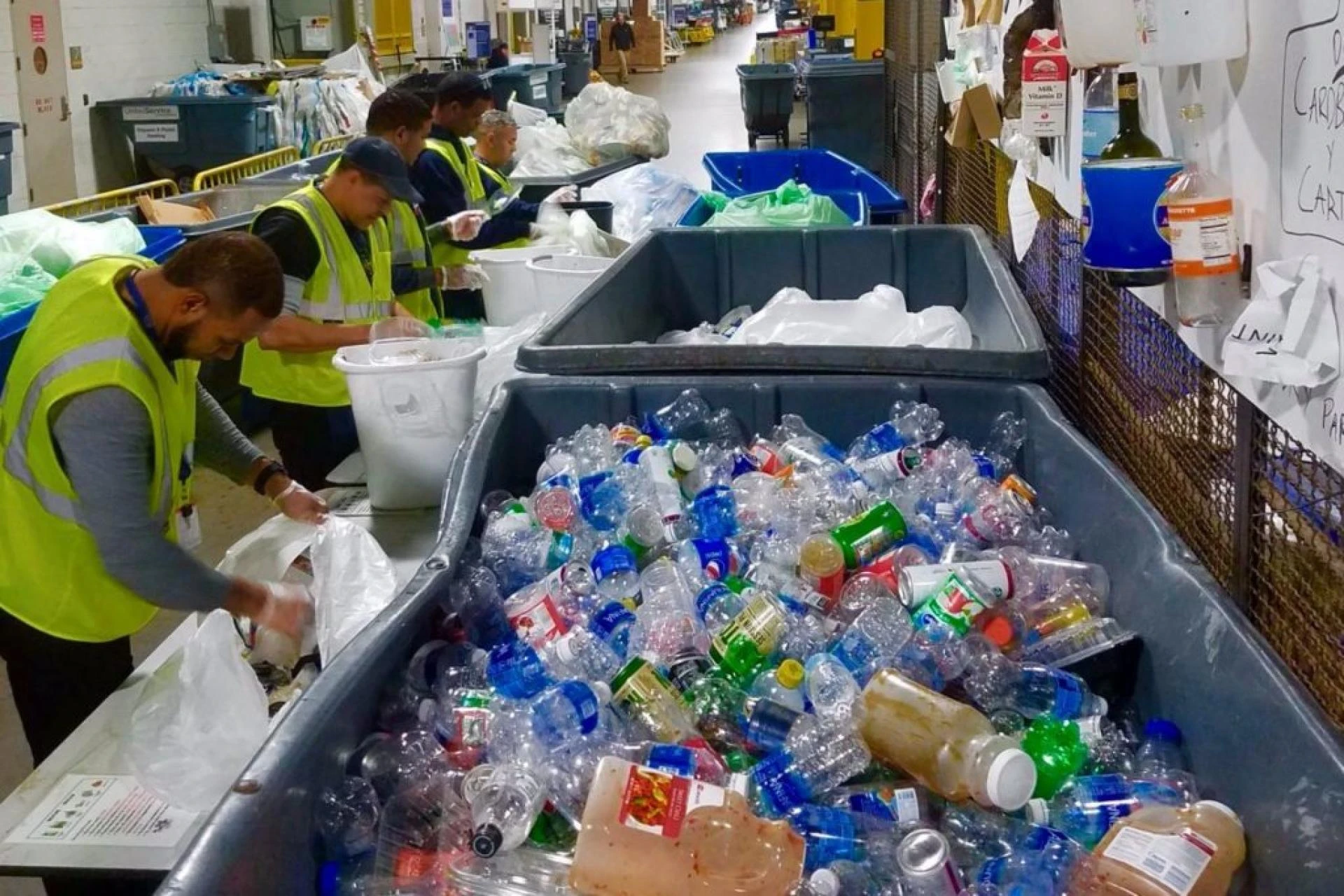

In today's world, efficient waste management is more critical than ever. With the increasing volume of waste generated by households and industries, the need for advanced waste management technologies has become paramount. These technologies streamline the recycling process, from the initial collection of waste to its final processing, ensuring that valuable resources are recovered and environmental impact is minimized. Let's explore how these cutting-edge waste management technologies are transforming the recycling landscape.
The Evolution of Waste Collection
Smart Waste BinsOne of the most significant advancements in waste collection is the introduction of smart waste bins. These bins are equipped with sensors that monitor the fill level in real-time, sending data to waste management operators. This technology optimizes the collection schedule, ensuring bins are emptied only when necessary, reducing unnecessary trips and lowering carbon emissions. Additionally, smart bins can segregate waste at the source, making the recycling process more efficient.
GPS-Enabled Collection Trucks
GPS technology has revolutionized the routing and scheduling of waste collection trucks. By using real-time data, waste management companies can optimize routes, reducing fuel consumption and operational costs. This technology ensures that trucks collect waste in the most efficient manner, reducing traffic congestion and emissions. Moreover, GPS tracking allows for better accountability and transparency in waste collection services.
Advanced Sorting Technologies
Optical Sorting SystemsOnce waste is collected, the next step is sorting, which is crucial for effective recycling. Optical sorting systems use advanced sensors to identify and separate different types of materials based on their optical properties, such as color and reflectivity. These systems are highly efficient, capable of processing large volumes of waste with high accuracy. By automating the sorting process, optical sorting systems significantly reduce the labor required and increase the purity of recycled materials.Artificial Intelligence and Machine Learning
Artificial intelligence (AI) and machine learning are playing an increasingly important role in waste sorting. AI-powered robots equipped with cameras and sensors can identify various materials with remarkable precision. These robots learn and improve over time, adapting to new types of waste and enhancing their sorting capabilities. By integrating AI into waste management technologies, recycling facilities can achieve higher efficiency and better quality control.
Innovative Processing Techniques
Chemical RecyclingTraditional recycling methods often degrade the quality of materials, limiting their reuse potential. Chemical recycling, however, breaks down plastics and other materials into their basic chemical components, allowing them to be rebuilt into new products without loss of quality. This technology expands the range of materials that can be recycled and reduces the dependency on virgin raw materials, promoting a circular economy.Pyrolysis
Pyrolysis is an innovative waste processing technology that converts organic materials into useful products through thermal decomposition in the absence of oxygen. This process produces bio-oil, syngas, and char, which can be used as alternative fuels and raw materials for various industries. Pyrolysis offers a sustainable solution for managing plastic waste and other organic materials, reducing landfill usage and greenhouse gas emissions.
The Impact of Data Analytics
Real-Time Monitoring and AnalysisData analytics is integral to modern waste management technologies. By collecting and analyzing data from various sources, waste management companies can monitor the performance of their operations in real time. This information enables them to identify inefficiencies, predict maintenance needs, and optimize processes. Real-time data analysis helps in making informed decisions, improving overall efficiency, and reducing operational costs.Predictive Analytics
Predictive analytics uses historical data and machine learning algorithms to forecast future waste generation patterns. This technology allows waste management companies to anticipate demand, plan resources accordingly, and implement proactive measures to handle peak loads. Predictive analytics enhances the responsiveness and resilience of waste management systems, ensuring they can adapt to changing conditions and demands.
Conclusion
The integration of advanced waste management technologies, from smart waste bins and GPS-enabled trucks to AI-powered sorting systems and innovative processing techniques, is revolutionizing the recycling process. These technologies streamline operations, improve efficiency, and reduce environmental impact, contributing to a more sustainable future. As we continue to innovate and embrace these advancements, the potential for achieving a circular economy becomes increasingly attainable.
By adopting and investing in these cutting-edge waste management technologies, we can make significant strides toward more efficient and sustainable recycling practices, ensuring that valuable resources are recovered and our planet is preserved for future generations.
























Sign in to leave a comment.