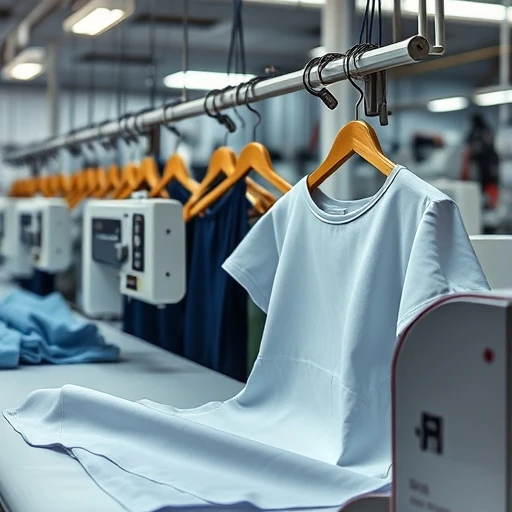

Launching a new clothing brand is an exciting journey, filled with creativity, innovation, and the potential to make an impact in the fashion industry. However, bringing your vision to life and turning it into a tangible product that reaches customers is a process that requires expertise, resources, and careful planning. This is where a reliable garment manufacturer for startups comes in. Whether you are starting with a small batch or planning for large-scale production, understanding the garment manufacturing process is essential to building a successful brand.
In this article, we’ll take you through the journey from concept to closet, highlighting the critical steps involved in garment manufacturing for new brands and why choosing the right garment manufacturer for startups is crucial to your success.
1. Understanding Your Brand Vision
The journey to creating a clothing line starts with a clear brand vision. This vision shapes the identity of your brand, your target market, and the kind of clothing you wish to produce. Start by asking yourself questions like:
- What kind of aesthetic do I want my brand to embody?
- Who is my target audience? What are their needs and preferences?
- How do I want my clothing to be perceived in the market—luxury, casual, sustainable, or trendy?
Understanding the brand’s DNA will influence the design process and help you communicate your ideas effectively to potential garment manufacturers.
Once you have a solid idea of your brand, it's time to move on to the next phase: creating your designs.
2. Designing Your Collection
Your designs are the heart of your clothing line, and they need to be practical, wearable, and aligned with your brand’s identity. If you have the expertise, you can sketch your designs yourself. However, many startups opt to work with professional designers who can take their ideas to the next level.
This is a critical stage where you must consider various elements of your designs:
- Fabric selection: The type of fabric you choose will significantly affect the feel, fit, and longevity of your garments. Fabrics range from natural fibers like cotton and wool to synthetic materials like polyester and nylon.
- Garment construction: Whether it’s a basic t-shirt or a complex jacket, the way a garment is constructed affects its overall look and durability. Pay attention to stitching, seams, zippers, and other details.
- Sizing and fit: Make sure your designs include accurate sizing information to ensure that the garments will fit customers as expected.
Once you’ve finalized your designs, it’s time to move forward to sample production.
3. Choosing the Right Garment Manufacturer for Startups
At this stage, selecting the right garment manufacturer for startups is one of the most critical decisions you will make. The manufacturer you choose will help bring your designs to life, ensuring the quality, consistency, and timely delivery of your clothing. The relationship you build with your garment manufacturer is essential for your brand’s success.
When looking for a garment manufacturer, consider the following factors:
- Experience with startups: Not all manufacturers specialize in startup brands. You need a manufacturer who understands the challenges faced by new businesses and is willing to offer flexibility in terms of order quantities, production timelines, and design variations.
- Quality control: Quality is paramount in the fashion industry. Ensure your manufacturer has strict quality control processes to avoid defects and ensure that each garment meets your standards.
- Production capacity: Whether you plan to produce small batches or scale to larger orders, make sure your manufacturer can meet your demand and offer the necessary scalability.
- Pricing and terms: Ask about pricing structures, payment terms, and any additional fees. Look for manufacturers who provide transparent and competitive pricing that fits within your budget.
- Sustainability: If sustainability is a key part of your brand’s mission, find a manufacturer who shares your commitment to eco-friendly practices, from sourcing materials to waste reduction.
Building a strong relationship with your manufacturer is critical to ensuring that your brand’s quality and vision are realized. Once you’ve found the right partner, it’s time to move forward to the next step: creating samples.
4. Creating Samples and Prototypes
After finalizing your designs and choosing a manufacturer, the next step is creating samples or prototypes. Samples are the first physical representations of your designs, and they allow you to assess the fit, fabric, and overall appearance of the garments.
Once you receive the samples, thoroughly inspect them for any issues. Check for consistency in color, fabric quality, stitching, and overall construction. You may need to go through a few rounds of revisions to get the garments just right. This process is crucial to ensure that the final product meets your expectations and aligns with your brand vision.
5. Production and Manufacturing
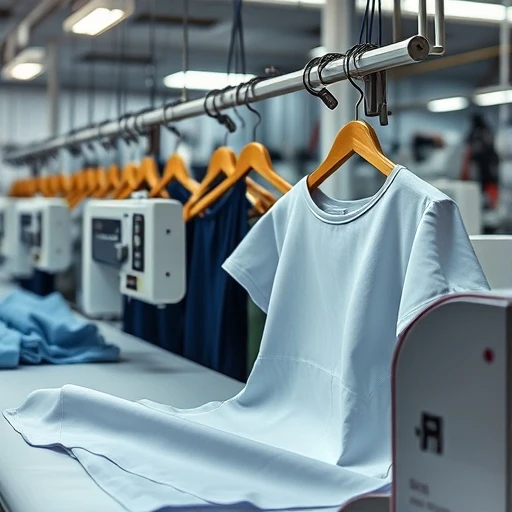
Once your samples are approved, it’s time to move forward with full-scale production. During this phase, your garment manufacturer will begin producing the quantity of clothing you’ve ordered, whether it’s a small batch or a larger order. At this point, your manufacturer will begin sourcing fabrics, cutting the patterns, and assembling the garments.
As a startup, you may have specific needs regarding timing and budget, so ensure that your manufacturer communicates clearly about production timelines, expected delivery dates, and any potential delays. It’s essential to maintain open communication throughout this phase to avoid unexpected issues and ensure that your garments are produced to your standards.
6. Quality Control and Final Inspections
Before the garments are shipped out, it’s essential to conduct a final inspection. Many garment manufacturers conduct their own internal quality control, but it’s also a good idea to have a final inspection from your side. This ensures that there are no defects or discrepancies in the garments before they reach your customers.
Your garment manufacturer should be committed to high-quality standards, ensuring that each piece meets your design specifications, is free of defects, and is ready for the market.
7. From Factory to Closet: Launching Your Brand
Once your garments are produced, it’s time to get them into the hands of customers. This final phase includes shipping the clothing to retailers or directly to consumers through your online store. Make sure you have a strong marketing strategy in place to create awareness of your brand and drive sales.
Whether you are launching a small collection or a larger line, partnering with a reliable garment manufacturer for startups ensures that your products meet your high standards and are delivered on time.
Conclusion
Building a successful clothing brand requires careful planning, creativity, and attention to detail at every stage of the process. From developing your initial concept to choosing a garment manufacturer for startups, each decision you make will impact your brand's success in the competitive fashion industry. By working closely with a skilled manufacturer, you can bring your ideas to life with high-quality garments that will make your brand stand out in the market.
Starting a clothing line can be challenging, but with the right manufacturing partner and a clear vision, you can turn your concept into a brand that resonates with customers and thrives in the marketplace.
























Sign in to leave a comment.