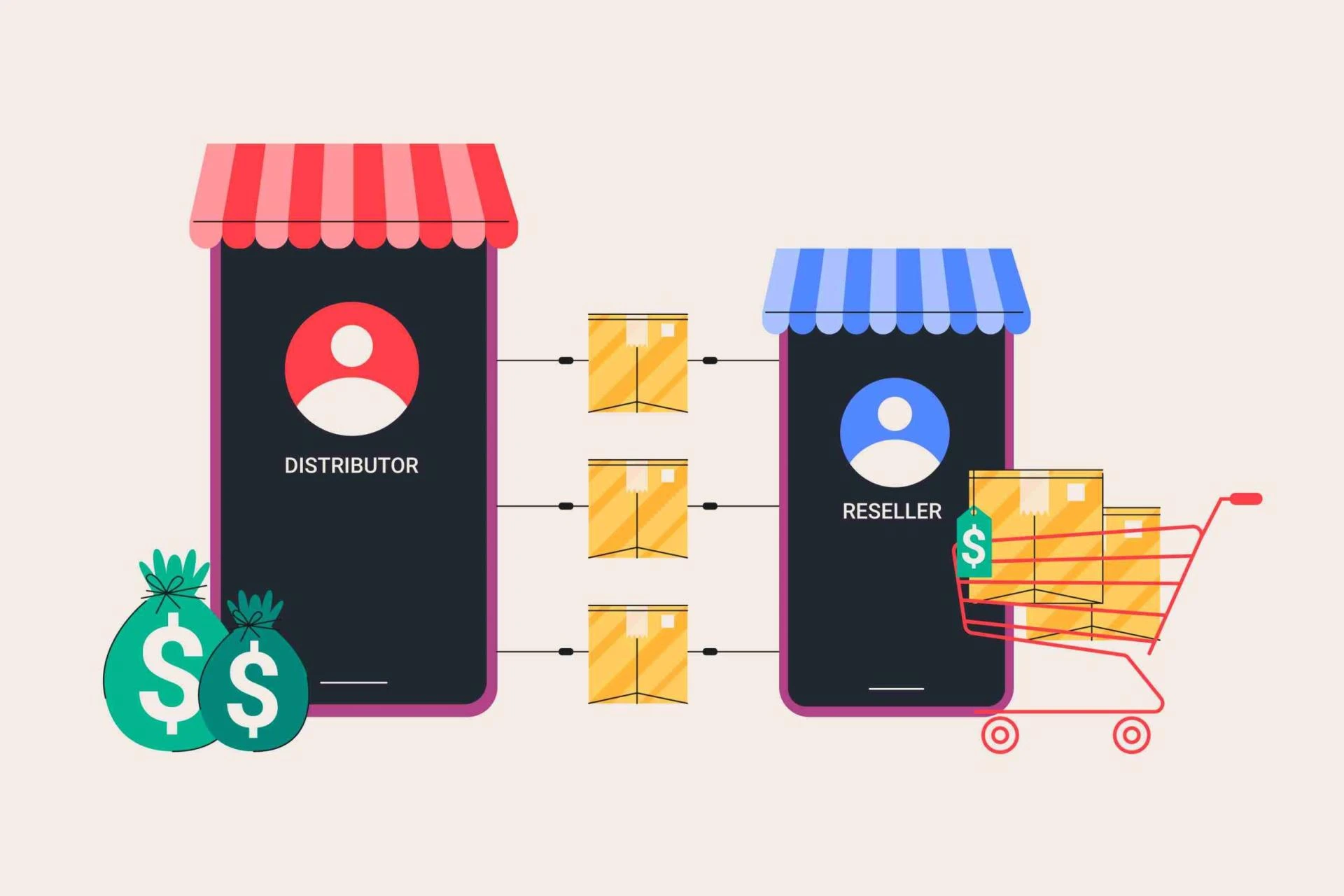

In the ever-evolving landscape of digital commerce, the rise of two-sided marketplaces has been nothing short of revolutionary. These platforms act as intermediaries, connecting buyers and sellers, service providers and consumers, in a seamless exchange of goods, services, or information. This article delves into the intricacies of the two-sided marketplace model, exploring its dynamics, challenges, and the keys to success.
Understanding the Two-Sided Marketplace Model
At its core, a two-sided marketplace is a platform that facilitates transactions between two distinct user groups: buyers and sellers. Unlike traditional e-commerce models where a single entity sells products or services to consumers, two-sided marketplaces create an ecosystem where both sides benefit from each other's presence.
Balancing Act: The success of a two-sided marketplace hinges on achieving a delicate balance between supply and demand. For example, a ride-sharing platform must ensure there are enough drivers to meet the demand of passengers and vice versa.
Value Proposition: These platforms offer a unique value proposition to both sides. Buyers are drawn in by the variety and accessibility of products or services, while sellers see an opportunity to reach a broader audience and increase sales.
Network Effects: One of the defining features of a successful two-sided marketplace is the concept of network effects. As more buyers join the platform, there is an increased incentive for sellers to participate, and vice versa, creating a self-reinforcing cycle.
Key Components of Two-Sided Marketplaces
User Experience: The user experience is paramount in a two-sided marketplace. The platform must be intuitive, easy to navigate, and provide a seamless transaction process for both buyers and sellers.
Trust and Safety Measures: Establishing trust is crucial. Robust identity verification, secure payment gateways, and transparent communication channels contribute to a safe environment for all users.
Scalability: Successful two-sided marketplaces are designed for scalability. As the user base grows, the platform should be able to handle increased transactions and interactions without compromising performance.
Data Analytics: Utilizing data analytics is key to understanding user behavior, optimizing the platform, and identifying trends that can inform strategic decisions.
Challenges in the Two-Sided Marketplace Landscape
While the potential benefits of two-sided marketplaces are vast, they come with their set of challenges:
Chicken-and-Egg Problem: Initiating a two-sided marketplace can be challenging. Attracting sellers is difficult without a user base, and vice versa. Overcoming this initial hurdle is crucial.
Quality Control: Ensuring the quality of products or services on both sides is a constant challenge. Maintaining standards and addressing issues promptly is essential for building trust.
Regulatory Compliance: Navigating the regulatory landscape, especially when dealing with different industries, regions, or countries, requires a thorough understanding of legal frameworks.
Success Stories and Lessons Learned
Several two-sided marketplaces have not only cracked the code but have become household names. Platforms like Airbnb, Uber, and Etsy have reshaped industries, providing valuable insights for aspiring entrepreneurs.
Airbnb: By connecting travelers with hosts offering unique accommodations, Airbnb has transformed the hospitality industry. The platform's success lies in its focus on creating a personalized experience for both hosts and guests.
Uber: Revolutionizing transportation, Uber's success is attributed to its user-friendly app, transparent pricing, and a robust driver-partner network. The platform prioritizes the convenience and safety of both riders and drivers.
Etsy: Catering to artisans and crafters, Etsy has become a go-to marketplace for unique, handmade products. The platform's emphasis on community and creativity has fostered a loyal user base.
Strategies for Building a Successful Two-Sided Marketplace
Thorough Market Research: Understand the dynamics of your target industry. Identify pain points and opportunities that your platform can address.
Seed the Marketplace: Consider strategic partnerships or incentives to attract the initial user base. Seed both sides simultaneously to jumpstart the network effects.
Focus on User Experience: Prioritize a seamless, intuitive user experience. A user-friendly interface can significantly impact adoption and retention rates.
Build Trust: Implement robust trust and safety measures. Establishing trust is fundamental to the success of a two-sided marketplace.
Iterative Development: Embrace an iterative development approach. Continuously gather user feedback and make improvements to enhance the platform's functionality and user experience.
Conclusion
Decoding the two-sided marketplace model involves understanding the delicate dance between supply and demand, fostering network effects, and addressing the challenges unique to this dynamic ecosystem. From the successes of industry giants to the lessons learned from pitfalls, navigating the landscape requires a strategic blend of innovation, user-centric design, and a commitment to building a platform that adds value to both sides. As technology continues to advance and consumer behavior evolves, the journey from demand to supply in the two-sided marketplace model remains a fascinating and ever-changing adventure


























Sign in to leave a comment.