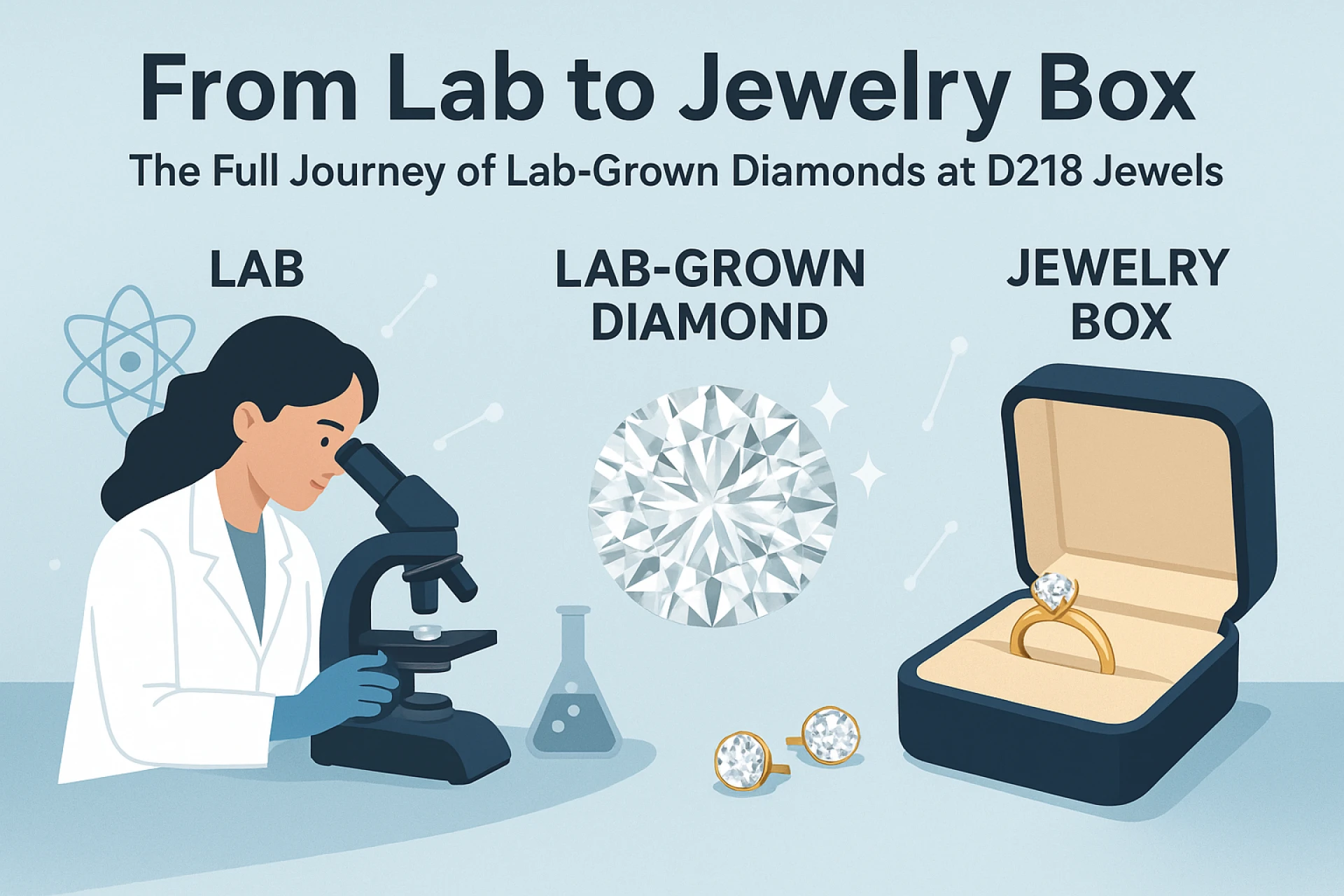

The journey of a diamond has always fascinated people, but in today’s world, that journey looks very different — and far more transparent. Buyers across the United States are choosing ethical, modern, and affordable alternatives, especially when exploring Lab-Grown Diamond Jewelry in the USA for engagement rings, earrings, pendants, and everyday luxury. Lab-grown diamonds have transformed the jewelry industry by offering brilliance, authenticity, and traceability without the environmental impact or high cost of mined stones.
But how exactly does a lab-grown diamond go from a high-tech lab to a sparkling piece in your jewelry box? And what role does a modern jeweler like D218 Jewels play in ensuring quality, beauty, and trust?
This complete guide walks you through the entire journey — step by step — showing how innovation and craftsmanship work together to create today’s most desirable diamonds.
What Exactly Makes Lab-Grown Diamonds Different?
Before exploring the journey, it’s important to understand what a lab-grown diamond actually is. Lab-grown diamonds are real diamonds with the same optical and physical properties as mined ones. They’re not simulants like cubic zirconia or moissanite. They’re carbon crystals with real fire, brilliance, and durability.
The key difference lies in how they form. Instead of emerging from deep underground over billions of years, lab-grown diamonds form through advanced scientific methods that replicate the Earth's conditions. This gives them complete traceability and a far smaller environmental footprint.
For modern buyers who care about sustainability and transparency, this difference is exactly why lab-grown diamonds are becoming the new standard.
Step One: Selecting the Starting Seed
Every lab-grown diamond begins with a diamond seed — a tiny slice of pure crystalline carbon. These seeds determine the initial shape, direction, and growth of the diamond.
Scientists place the seed into a specialized chamber depending on the growth method (CVD or HPHT). The positioning, temperature, and pressure are carefully controlled to ensure the diamond develops uniformly with high clarity and symmetry.
This level of precision is one of the biggest advantages of lab-grown diamonds — you get consistent beauty without unpredictable natural flaws.
Step Two: The Growth Process (CVD vs HPHT)
There are two main ways to grow diamonds:
A. CVD – Chemical Vapor Deposition
This is the most advanced method used for high-end jewelry.
A carbon-rich gas is heated until carbon atoms separate and bond to the diamond seed, layer by layer. Over several weeks, the seed grows into a larger diamond crystal.
Benefits of CVD:
- Exceptional clarity
- Better control over quality
- Fewer inclusions
- Highly efficient and eco-friendly
B. HPHT – High Pressure High Temperature
This method mimics the natural environment of Earth’s mantle by applying high heat and pressure. It produces high-quality diamonds as well, but CVD is typically preferred for fine jewelry.
Both methods create real diamonds — the choice depends on desired clarity, color, and final application.
Step Three: Cutting the Rough Diamond
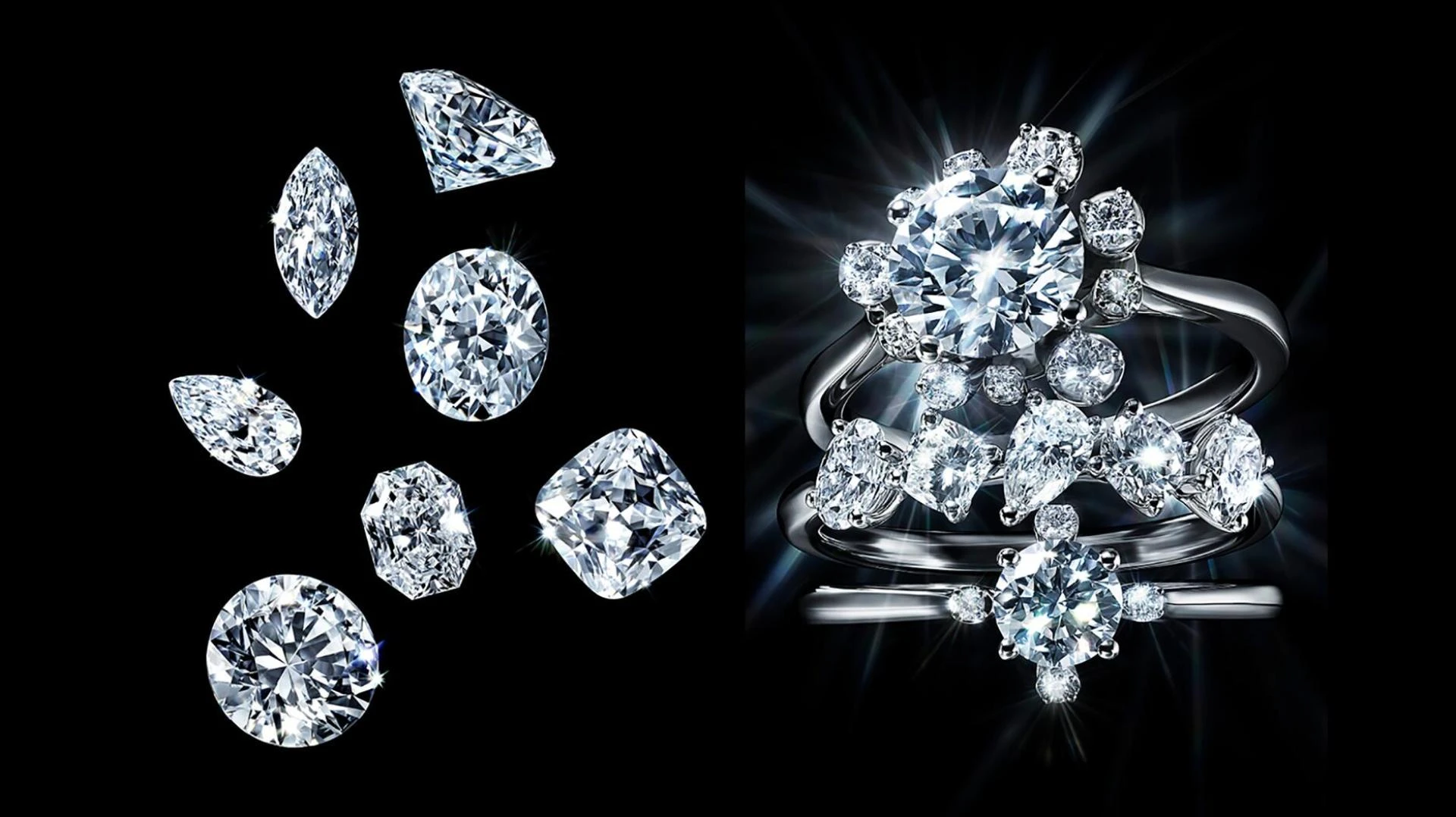
Once grown, the rough diamond needs to be cut — a process requiring both artistry and engineering. Master cutters analyze the rough stone, study its internal structure, and determine the best way to maximize brilliance while minimizing waste.
This stage includes:
- Planning the ideal shape
- Laser cutting the rough stone
- Faceting (creating the reflective surfaces)
- Polishing for maximum sparkle
The precision of this step is crucial. The cut directly affects brilliance, sparkle, and visual impact. This is where craftsmanship truly transforms a raw diamond into a breathtaking gem.
Step Four: Quality Grading and Certification
Every lab-grown diamond goes through detailed grading, just like mined diamonds. Independent labs such as IGI, GIA, and GCAL evaluate:
- Cut
- Color
- Clarity
- Carat weight
- Fluorescence
- Symmetry
- Polish
A grading report is then issued. This ensures authenticity, transparency, and buyer confidence.
When customers shop online, certifications matter more than anything. They guarantee that the diamond they’re choosing meets global quality standards.
Step Five: Designing the Jewelry Setting
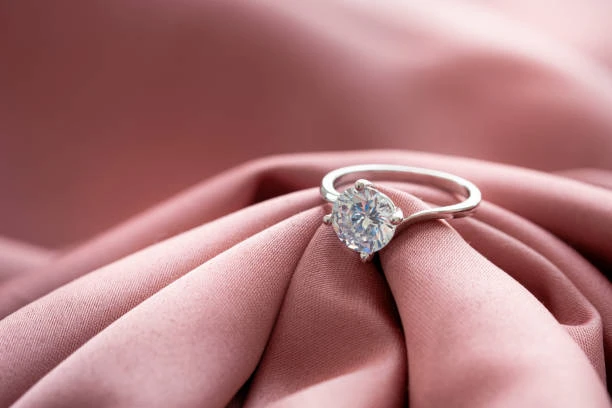
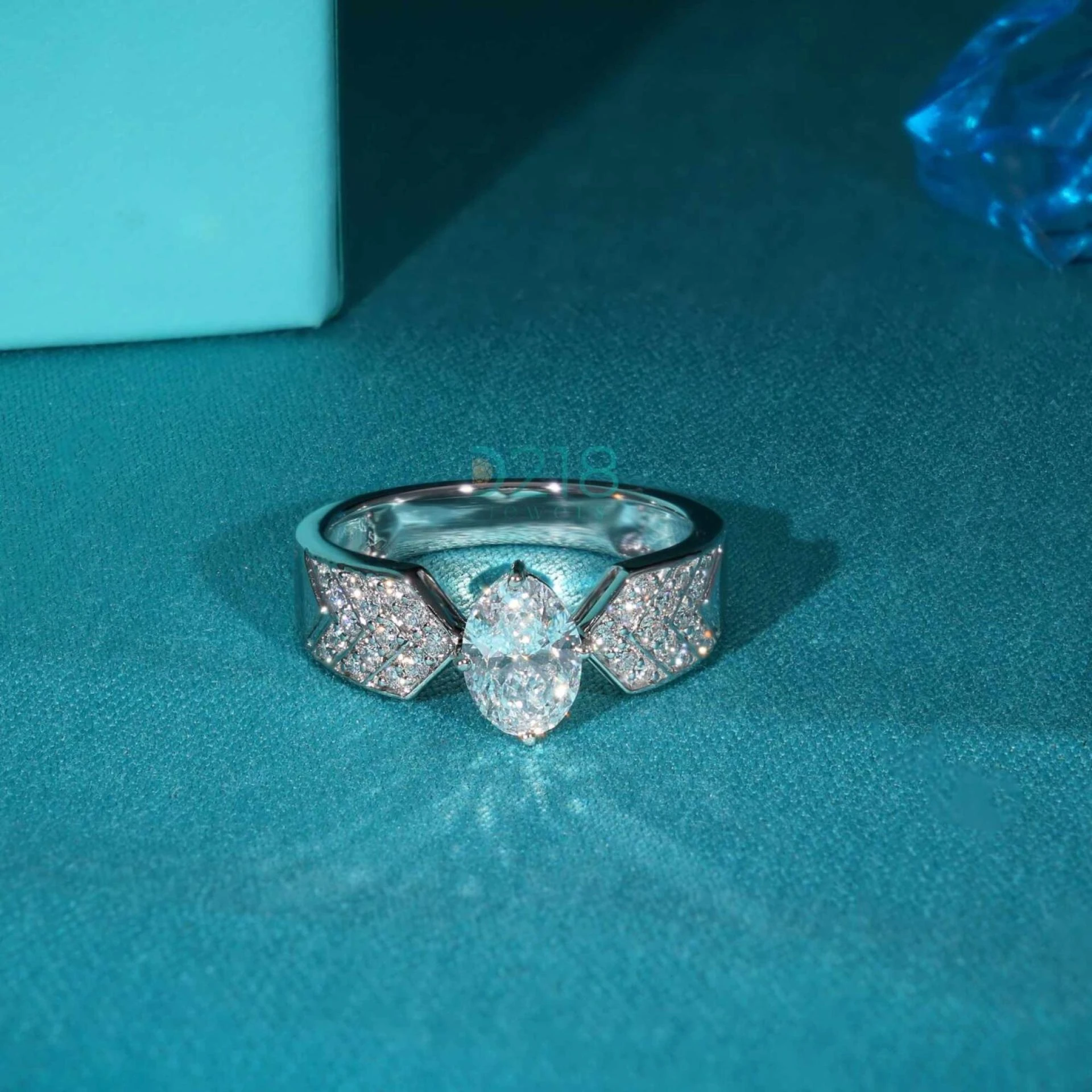
This is where creativity takes center stage. Designers conceptualize unique styles using the diamond as the focal point. At D218 Jewels, for example, customers can explore modern solitaires, halo settings, vintage designs, and custom-made rings.
Each design goes through:
- 3D modeling
- Metal casting (gold, platinum, rose gold)
- Hand-setting the diamond
- Polishing and finishing
- Final inspection
This process ensures that every piece is both durable and elegant enough for lifelong wear.
Step Six: Customer Experience & Online Buying
The rise of online jewelry buying has made lab-grown diamonds more accessible than ever. Digital platforms offer 360-degree viewing, high-resolution images, and customization options that help customers feel confident about their choices.
To explore different ring types, settings, and shopping tips, here’s a helpful guide many buyers find useful: How to Choose the Perfect Diamond Ring for Every Occasion
This level of guidance allows customers to shop smarter, compare products efficiently, and understand exactly what they’re paying for.
Step Seven: Final Craftsmanship & Inspection at D218 Jewels
This is where the journey becomes personal. Once a diamond is mounted into its setting, each piece at D218 Jewels undergoes strict final inspections. Craftsmen check for:
- Diamond security
- Surface finishing
- Symmetry of the setting
- Sparkle consistency
- Metal polish
- Structural durability
Only after passing all checks does the jewelry move toward packaging. This quality commitment is why D218 Jewels has become a trusted name for lab-grown diamond buyers in the U.S.
Step Eight: Packaging & Delivery
Fine jewelry deserves a fine presentation. Each piece is securely packaged in premium boxes designed to protect the diamond and enhance the unboxing experience. Secure shipping ensures your jewelry reaches you safely, insured, and ready to wear.
This final step marks the completion of the diamond’s journey — from a microscopic carbon seed in a lab to a sparkling centerpiece in your jewelry box.
Why Lab-Grown Diamonds Make the Journey Even Better
Lab-grown diamonds bring several advantages throughout the journey:
- Ethical and conflict-free
- Transparent growth process
- Eco-friendly compared to mining
- Consistent high clarity
- Lower production waste
- Affordable luxury
- Perfect for engagement rings and gift jewelry
This combination is why buyers across the U.S. are choosing lab-grown diamonds as the modern alternative.
Where to Explore Trusted Lab-Grown Diamond Stores
Buyers who want certified, high-quality lab-grown diamond collections often turn to online recommendations. One of the most helpful resources is: Top 10 Places to Buy Lab-Grown Diamond Jewelry Online
This guide helps buyers compare retailers, evaluate pricing, and understand certification standards before making a decision.
Final Thoughts
The journey of a lab-grown diamond is both scientific and artistic — blending advanced technology with skilled craftsmanship to create jewelry that’s ethical, brilliant, and timeless. From the controlled growth in a lab to the detailed craftsmanship at brands like D218 Jewels, every step is designed to offer beauty with responsibility.
As more U.S. buyers discover the value and transparency behind lab grown diamond jewelry, the demand continues to rise. Today, you don’t just wear a diamond — you wear a story of innovation, sustainability, and modern luxury. And when that diamond finally rests in your jewelry box, it carries a journey worth celebrating.


























Sign in to leave a comment.