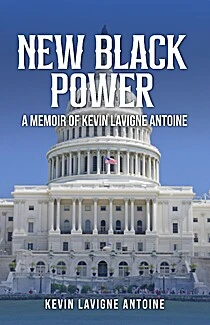

Many veterans take on the unusual journey of transitioning from military service to public service, bringing with them invaluable skills, discipline, and a strong sense of purpose. Veterans can make excellent political leaders because of the quantity of expertise they have from their military service. This article examines the difficulties and rewards of going from serving in the military to serving in the public sector and provides advice on how veterans can succeed in the political system. In Kevin Lavigne Antoine\'s upcoming book, "New Black Power: A Memoir of Kevin Lavigne Antoine," you\'ll find a compelling story of one veteran\'s journey into politics. Antoine\'s transition from military service to public service is filled with challenges and triumphs, offering insights into the skills veterans bring to the political arena and the obstacles they must overcome to succeed.
The Skills Veterans Bring to Politics
Military service instills a range of skills that are highly applicable to the realm of politics. Veterans are often trained in leadership, teamwork, problem-solving, and strategic thinking. They understand the importance of discipline and commitment to a mission, making them well-suited for the demands of public service. Additionally, veterans are adept at working under pressure and are skilled at making critical decisions in challenging circumstances.
Leadership and Teamwork
Veterans receive training in team leadership and collaboration, frequently in high-stress settings. These abilities are extremely essential in politics, as attaining political objectives requires strong teamwork and leadership. Veterans are able to inspire and excite others, which is important when forming alliances and winning support for laws.
Problem-Solving and Adaptability
In the military, veterans are accustomed to solving complex problems with limited resources. This ability to adapt and find creative solutions translates well into the political arena. Veterans can use their problem-solving skills to address the needs of their constituents and create effective policies.
Integrity and Discipline
Discipline and honesty, which are critical qualities in public service, are emphasized in military duty. Veterans are more likely to approach political positions with a strong sense of duty and moral obligation, winning the respect and trust of their voters and peers.
Challenges in the Transition
While veterans bring many valuable skills to politics, transitioning from military service to public service can present challenges. Understanding these obstacles can help veterans better prepare for the shift.
Navigating the Political Landscape
The political landscape, with its own set of customs, laws, and power structures, can be convoluted and challenging to manage. Veterans need to learn how to use their principles and ideals to work within this framework.
Building a Civilian Network
In the military, veterans operate within a tight-knit community with clear hierarchies and communication channels. In politics, they must build new networks and establish relationships with a broader range of stakeholders. This requires veterans to adapt their communication styles and expand their connections.
Balancing Personal and Political Commitments
Political positions can require a large time and energy investment. Veterans making the move to public service need to strike a balance between their personal and professional obligations. It can be difficult to strike this balance, particularly for people who have children or other commitments.
Tips for a Successful Transition
Transitioning from military service to public service can be a fulfilling experience. Here are some tips to help veterans make the shift successfully:
Seek Mentorship: Finding a mentor in the political arena can be invaluable. Experienced political figures can provide guidance and help veterans navigate the complexities of public service.
Engage with the Community: It is important for veterans to get involved in their communities in order to learn about the most important concerns. This interaction fosters relationships and sheds light on the needs of the people involved.
Leverage Military Skills: Veterans should draw on their military skills and experience to excel in public service. Leadership, problem-solving, and integrity are assets that can make a significant impact in the political arena.
Conclusion
Serving the public needs devotion, flexibility, and a determination to transition from military duty to public service. Veterans can be successful political leaders because of their special set of skills. Veterans can effectively enter politics and have a good influence on their communities by recognizing the obstacles and utilizing their talents.
Ready to dive into a compelling story of transitioning into politics? Get Kevin Lavigne Antoine\'s upcoming book, "New Black Power: A Memoir of Kevin Lavigne Antoine," to explore his journey from military service to becoming a trailblazer in Mississippi politics. Discover how he overcame barriers, navigated the political landscape, and broke ground in public service. This memoir is a must-read for anyone interested in the intersection of military experience and political leadership. Pre-order your copy now and be inspired by Kevin\'s story of courage, resilience, and commitment to creating change in public service.























Sign in to leave a comment.