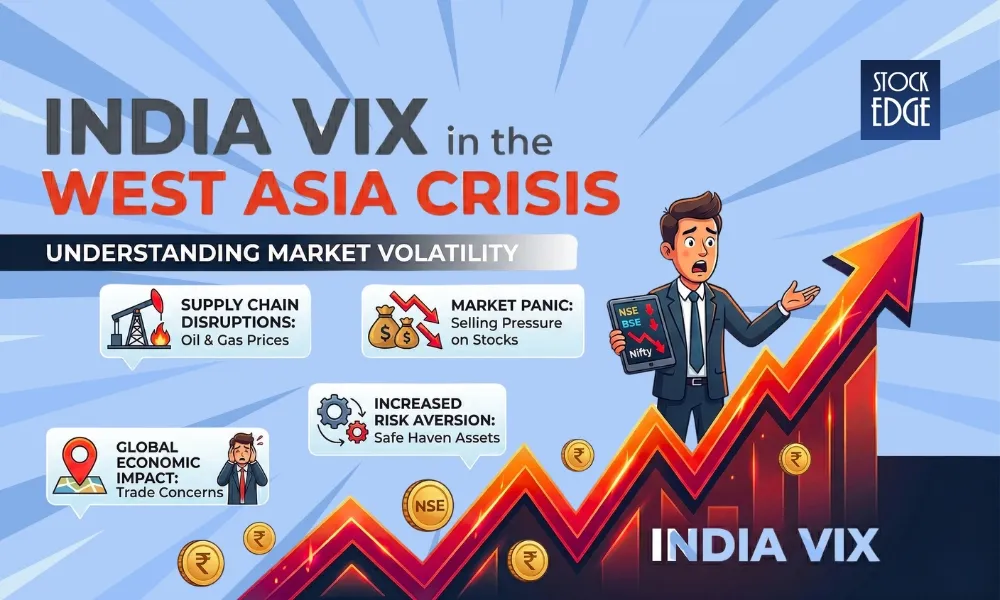

The Calm Before the Storm
The India VIX index, which retail investors check first thing in the morning, has become their final stop before starting their day. The index remained in the low-teens range, between 13 and 14, from late 2025 to early 2026. The markets showed stability while Nifty continued its upward movement. The trading environment on Dalal Street had established a steady pattern, which made most traders treat volatility as an unimportant matter.
The India VIX indicator, which measures Nifty 50 volatility over the next 30 days, serves as a fear gauge for Indian markets. Investors show high confidence in the market when they record low readings because the market remains stable. The high reading indicates that investors experience high levels of anxiety. The market display at 13 to 14 showed that investors and market activities existed in a state of relaxation.
The period of peacefulness ended.
When Fear Returned to Dalal Street
The United States, Israel, and Iran faced rising tensions, which created a new hostile atmosphere that lasted through March 2026, beginning in late February. The initial diplomatic disputes rapidly developed into a worldwide market impact that created a major geopolitical crisis. The Indian economy faced urgent threats because it depended on importing crude oil.
The India VIX share price data from this time period establishes the connection between the two events. The index increased from its initial position between 13 and 14 to reach a maximum of 28 to 29, which represents a 100% increase that occurred within weeks. The index experienced multiple single-day sessions that documented 20 to 25% increases when traders purchased put options to protect their assets from additional losses.
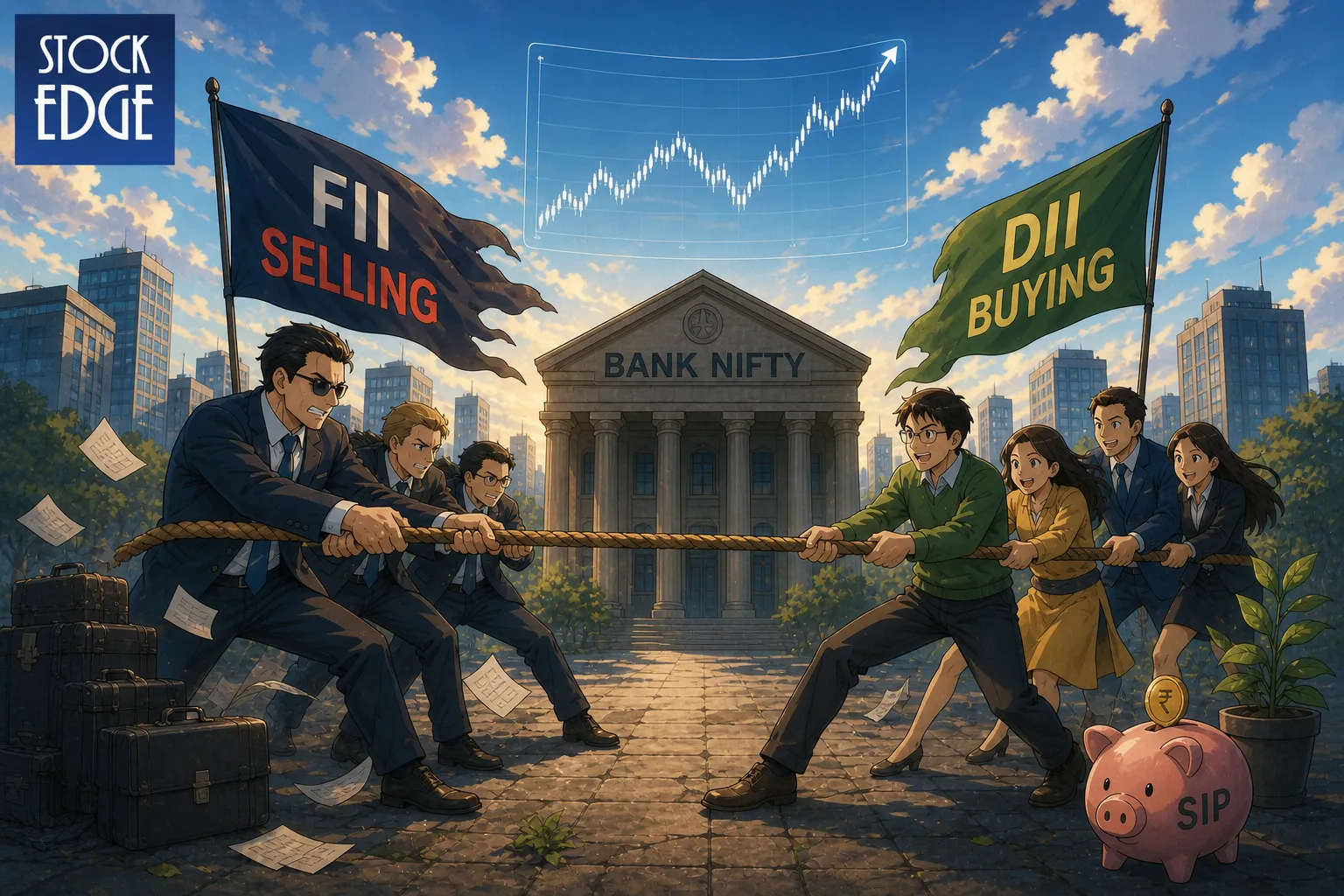
The Nifty index experienced a significant decline. The Sensex index moved in the same direction as the Nifty index. The majority of markets experienced significant declines, which affected both mid-cap and small-cap stocks. Foreign institutional investors withdrew their investments at a faster rate, which resulted in approximately ₹1.14 lakh crore exiting the market during the period of maximum market instability. The rupee lost value against the dollar, while crude oil prices exceeded $100 per barrel, which created inflation risks that affected corporate profit margins.
This time period represented the most prolonged period of market anxiety for traders since the 2020 pandemic crisis, which affected Indian markets. Dalal Street experienced more than just market fluctuations. The market experienced a state of shock.
The Whipsaw: One Ceasefire, One Massive Swing
The date of April 8, 2026, marks a significant point in time.
The United States and Iran announced their two-week cease-fire while reports confirmed that shipping would resume through the Strait of Hormuz. The markets experienced an immediate market impact, which resulted in a significant market impact. Brent crude prices dropped to a level below $95 per barrel. The global risk appetite of investors returned within a few hours.
The India VIX today, on April 8, showed a completely different market situation than the one that had existed during the previous week. The index dropped from 24.70 to 19.68 after reaching its highest point at 24.70. The fear gauge experienced its most significant one-day drop that has occurred to date, in recent memory, according to two different benchmarks that established different time frames between five and twenty-two months.
The markets reacted to the news with equal strength. The BSE Sensex achieved a 2,900-point increase, which brought its closing value to 77,563, establishing one of its strongest single-day performances in years. The Nifty 50 index increased by 874 points to close at 23,992. The NSE market showed exceptional breadth, as nearly 3,700 stocks advanced while only 505 stocks declined. The rupee appreciated to approximately Rs 92.56 against the dollar.
The rally received support from financials, autos, real estate, and consumer products. The investors increased market capitalisation by Rs 16 trillion through their investments during a single trading session. The fear that existed on that day disappeared completely.
The Caution: Do Not Mistake Relief for Resolution
The analysts moved to restrict the excitement. Market observers found the decline in India's VIX share price activity to be positive, although they stated the actual market conditions had not experienced any significant modifications.
The ceasefire exists as a short-term agreement. The term of the agreement extends for two weeks. The geopolitical conflict needs to end through diplomatic negotiations because any breakdown of the treaty will lead to increased crude oil prices. The inflation risks continue to exist in the economy. The RBI has maintained its repo rate at 5.25% because its current neutral position does not allow for further rate reductions until the oil prices increase again.
The analysts discovered that India VIX maintained its mid-to-high teens and low twenties range even after its substantial decline. The level does not demonstrate complete assurance. The Indian stock market has experienced bull market periods when VIX levels stayed below 15. The index currently shows high levels of uncertainty because it values security at actual market prices.
The April 8 rally received its main boost from short-covering activities. The market will require new fundamental backing after the initial wave of buying has finished to sustain its price increases.
The Bigger Picture: VIX Is Now a Must-Watch
The ongoing market instability brought about a permanent transformation that now dictates how traders and analysts evaluate India VIX.
Options traders and institutional desks controlled access to India VIX share price data for several years, while retail investors showed little interest in these data. Retail investors rarely paid attention. Today, the situation has changed. The early 2026 swing is between low teens and nearly 29 and back to low 20s, making the fear gauge a mainstream market indicator.
Analysts now track India VIX alongside FII flows, crude oil prices, the rupee-dollar rate, and global risk cues as part of a standard daily market checklist. Investors in options markets use VIX price increases as an indicator of market anxiety while anticipating stock market declines. The market shows authentic strength when VIX decreases because it indicates real buying power exists behind the price increase.
India VIX has reached its top position on the dashboard because geopolitical risks, energy cost fluctuations, and worldwide capital movement patterns now determine market dynamics. The West Asia crisis brought about extreme market fluctuations, which turned a specialised volatility measurement into a tool that provides instant updates on Dalal Street market sentiment.
At the moment, the situation gives people a feeling of mild comfort.























Sign in to leave a comment.