

Not long ago, company reports were mostly thick printed booklets—dense with text, tables, and numbers. They were informative, but not exactly reader-friendly. Today, that picture is changing. More businesses are moving away from paper-heavy formats and are adopting interactive, digital-first reports that feel easier to explore and far more engaging.
Why This Change Is Taking Place
The way people consume information has shifted dramatically. Stakeholders don’t have the time or patience to leaf through hundreds of pages. They want clarity, brevity, and options to quickly find the details that matter most to them. Digital reports make that possible with simple navigation, visual cues, and elements that break down complex data into digestible pieces.
It’s not just about presentation. Companies are under pressure to be more open and straightforward in how they share performance, sustainability, and long-term strategy. An interactive format makes it easier to show transparency while keeping the content approachable.
What Modern Reports Look Like
Today’s integrated reports often include:
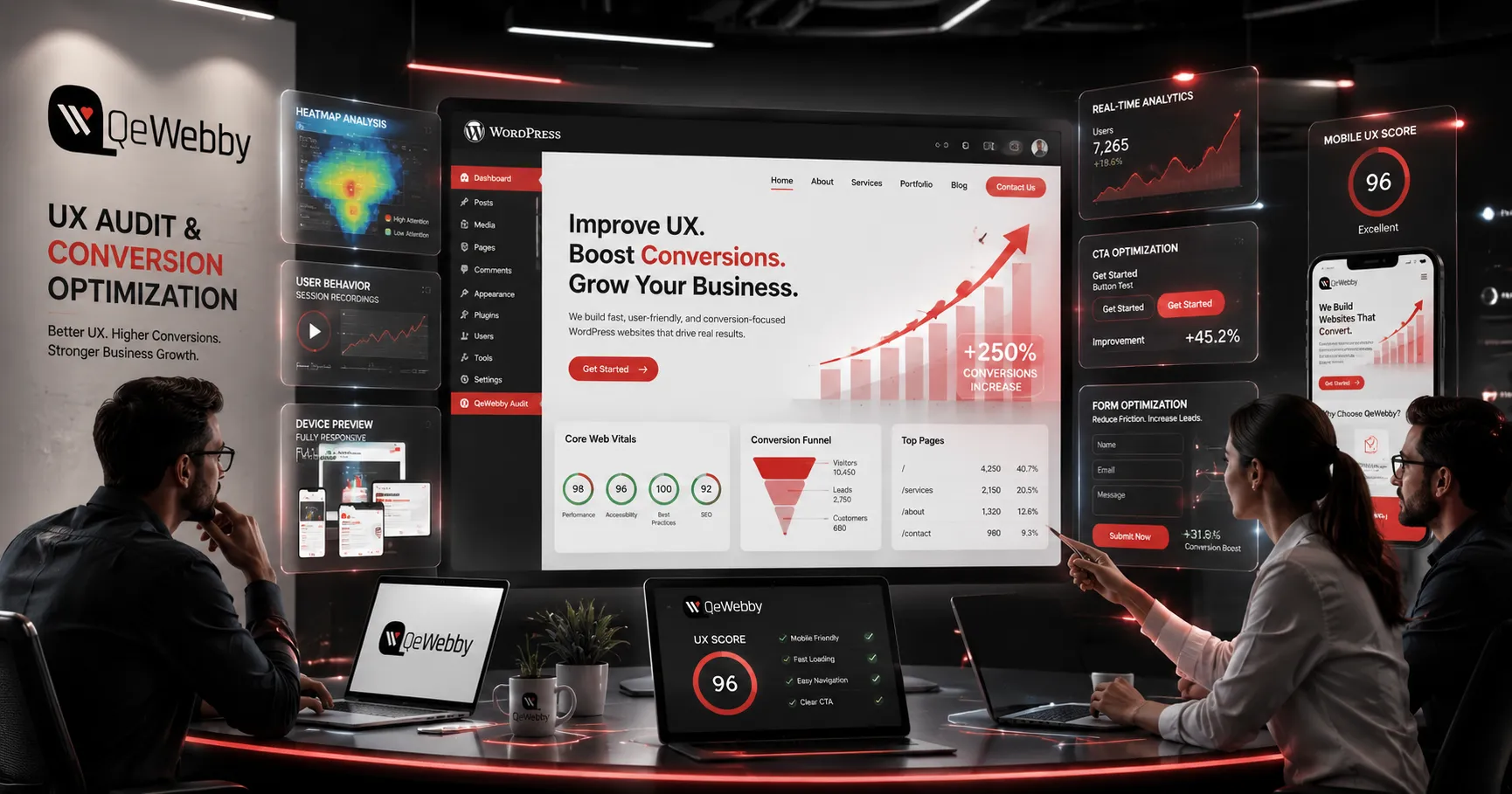
- Charts and infographics that make figures easy to interpret.
- Clickable menus and links that allow readers to jump directly to relevant sections.
- Short videos or animations to highlight stories and initiatives in a lively manner.
- Mobile-friendly layouts so the report is just as readable on a phone as on a desktop.
These features make reading less of a chore and help audiences connect with the material in a more natural way.
Benefits for Both Sides
For organizations, digital reports are not only easier to distribute but also provide useful insights—such as knowing which sections readers spend the most time on. That feedback helps them refine future communications.
For readers, the benefits are obvious. Instead of scanning through endless paragraphs, they can navigate directly to what they care about, whether it’s financial performance, environmental commitments, or community initiatives.
Print Still Has Its Place
Despite the rise of online formats, print has not completely disappeared. Many companies now use a balanced approach: a shorter, well-designed printed summary alongside a detailed interactive version. This way, they cater to both traditional audiences and those who prefer digital access.
Why Expertise Matters
Creating an interactive report is not just a matter of putting a PDF online. It requires careful planning, good design sense, and technical skills to make the experience smooth and meaningful. Working with an Integrated annual report design agency helps companies strike that balance between creativity and clear communication, ensuring the final report serves both compliance needs and audience expectations.
Looking Forward
The move from printed booklets to interactive platforms is more than just a format change—it’s a response to how people read, learn, and engage today. As digital tools continue to advance, we can expect reports to become even more user-friendly, intuitive, and tailored to different audiences.























Sign in to leave a comment.