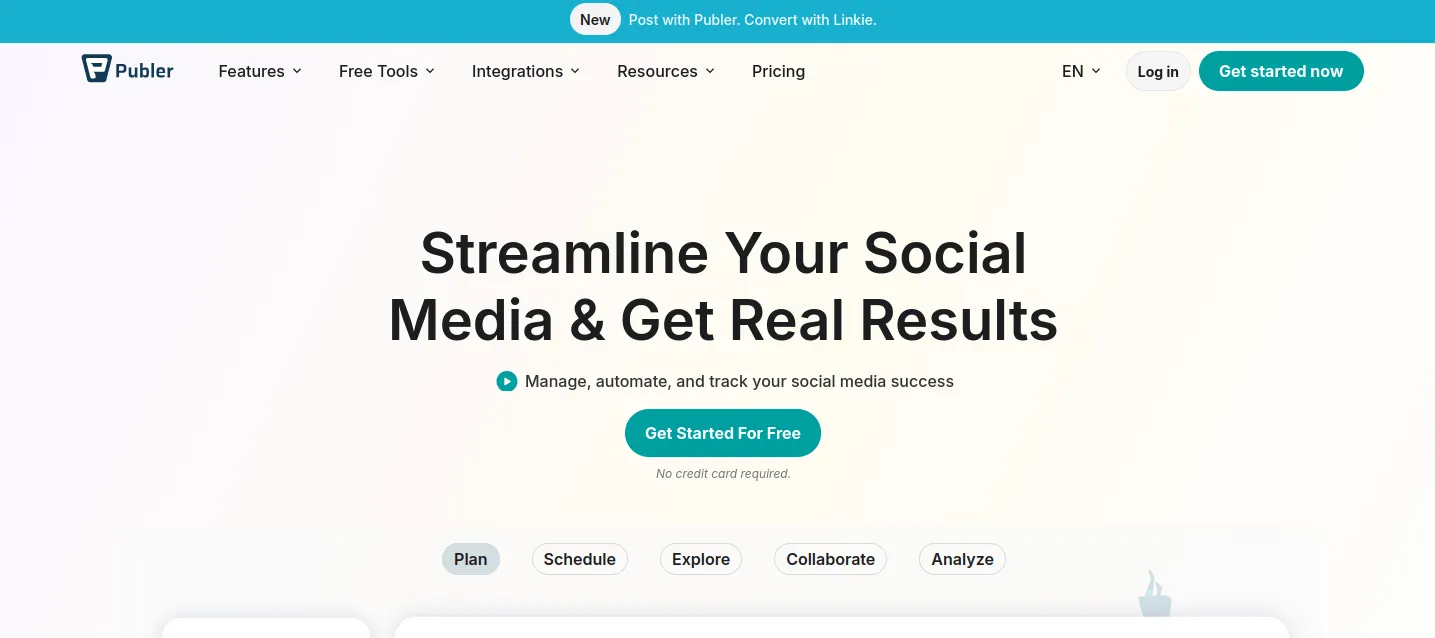

From Publer to ContentStudio: What Really Changed
I used Publer for roughly a year and a half. From the end of 2023 into early 2025, it handled my social media scheduling, helped me stay consistent, and quietly did its job in the background.
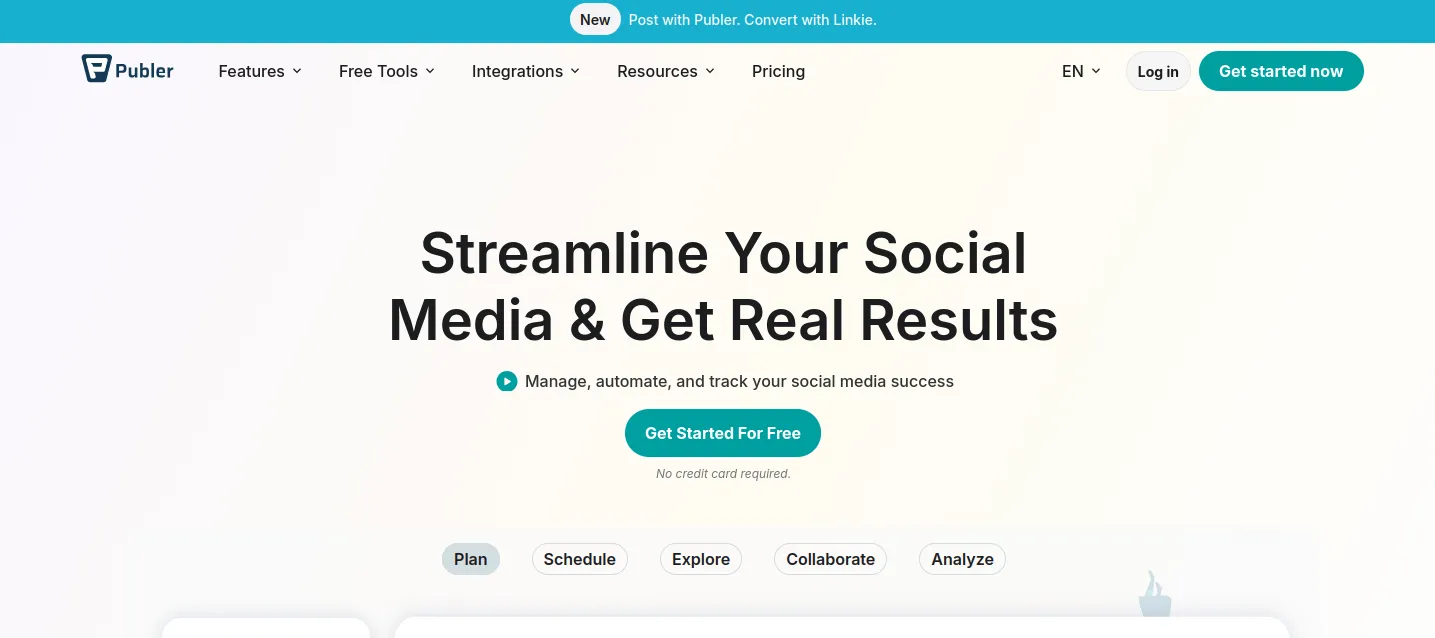
I didn't have any major complaints about it. I wasn't actively looking for a replacement, either. It was simply part of my workflow, and for a long time, that seemed good enough.
Then one evening, I took a closer look at how much time I was spending just trying to keep my content pipeline active.
The answer was uncomfortable.
I was spending far more time on it than I had realized. And once I became aware of that, I started noticing the inefficiency everywhere.
A Little Background
I'm a solo creator managing my own LinkedIn profile, Instagram account, and newsletter. There isn't a team behind me, an agency budget, or someone I can hand routine tasks to.
It's just me, my laptop, a growing collection of ideas, and the constant understanding that if I stop producing content, my channels eventually become inactive.
That system works perfectly when motivation is high. The challenge is that motivation isn't always consistent. When you're managing everything yourself, repetitive tasks such as finding content to share, writing captions, and keeping your publishing queue full can take up a surprising amount of time.
Publer handled scheduling well enough. But the rest of the weekly work was still largely manual.
I was still starting from zero every time.
The Problem I Hadn't Really Noticed
The realization came one afternoon when I was trying to find an older post for reference.
Eventually, I found one I had written around six months earlier. It was one of the better pieces of content I had created, and it had performed well when I first published it.
But after that initial publication, it had completely disappeared from my workflow.
It was just sitting in my archive.
I had spent time researching the topic, writing the post, editing it, formatting it, and scheduling it. Then it appeared once in the feed and was essentially forgotten.
Instead of getting more value from the content I had already created, I had moved on to the next piece and started the process all over again.
That is the cycle many solo creators fall into.
Create something. Publish it. Move on. Create something else.
Meanwhile, the archive keeps growing, but the content inside it is no longer doing anything.
The publishing queue constantly needs new material, and the responsibility of keeping it full falls entirely on you.
I had been working that way for over a year without ever really asking myself whether there was a better way.
What I Was Actually Looking For
Once I stopped and thought about the problem properly, I realized I wasn't looking for a platform with endless features.
I wanted to solve a few very specific problems.
First, I wanted my best older content to have another chance to reach people without me manually searching through my archives every few weeks. The work had already been completed. I just wanted to make better use of it.
I also wanted a simpler way to discover interesting content worth sharing. Before that, I was opening multiple tabs every morning — newsletters, industry websites, social platforms, and different feeds — just to find something relevant.
That discovery process could easily take twenty minutes before I had even started creating anything.
Caption writing was another area where I wanted some support. I wasn't interested in replacing my own voice or publishing generic AI-generated content. I simply wanted help getting past those moments when I knew what I wanted to say but couldn't find the right opening.
And, naturally, the cost needed to make sense for a solo creator.
I'm not managing a large company, so I don't need a platform built around enterprise-level complexity and pricing.
That combination of needs eventually led me to explore different Publer Alternatives and ultimately try ContentStudio.
Making the Switch
The transition wasn't completely effortless.
Whenever you move to a new platform, there is always a short adjustment period. It's a bit like moving into a new kitchen. You know everything you need is there, but you still reach for the wrong drawer at first.
The interface was different. The workflow was different. And, naturally, the first few days involved some getting used to.
But the adjustment period was shorter than I expected.
I reconnected my social accounts in under an hour and rebuilt my posting schedule without much trouble.
The task that took the most time was organizing an evergreen queue containing my strongest older content. That process took most of a weekend.
Interestingly, it didn't feel like wasted time.
Going through my old posts gave me the chance to review everything I had created over the previous year. I found content that was still relevant, identified posts that deserved another opportunity, and effectively performed a content audit without planning to do one.
By the second week, the new workflow already felt much more natural.
What Actually Changed
The biggest difference was the evergreen content recycling system.
At first, content recycling sounds like a relatively minor feature. In practice, it changed the way I thought about my existing content library.
One of my posts, written around eight months earlier, resurfaced through the recycling system. I had completely forgotten about it.
It appeared in my feed again and reached people who weren't part of my audience when I originally published it.
The result was surprisingly good.
It generated engagement and performed reasonably well compared with some of the new content I had created that same week.
The most interesting part was that I hadn't written anything new for it.
The work had already been completed months earlier.
I had simply stopped giving it opportunities to reach people.
That continued to happen over the following months. Older posts were brought back into circulation, reached new audiences, and continued generating engagement.
It felt like getting additional value from work I had already done.
The recycling system didn't create the content for me. It simply helped prevent useful content from disappearing permanently after one publication.
Content Discovery Became Easier
Content discovery also changed the way I started my mornings.
Previously, I would jump between different newsletters, feeds, websites, and social platforms looking for useful or interesting content to share.
It was a fragmented process, and it often took up a significant portion of my morning.
Having content discovery integrated into the same platform I was already using to manage my publishing workflow made the process considerably more efficient.
I no longer had to begin every day by searching from scratch.
AI Caption Assistance
I was initially skeptical about the AI writing features.
I don't want my content to sound generic, robotic, or like it was written entirely by a machine. Many AI tools produce copy that may be grammatically correct but lacks personality.
For me, the AI caption assistance worked best as a starting point.
I don't use it to replace my own writing. Instead, it gives me something to work with when I'm stuck.
Sometimes, all I need is a rough opening or a slightly different way to express an idea. Once I have something in front of me, I can edit it and make it sound like me.
That small push is often enough to overcome the blank-page problem.
Scheduling and Publishing
The scheduling experience itself has also been dependable.
Posts go out when expected, the content calendar is easy to follow, and the composer makes it possible to adapt content for different platforms without completely starting over.
These might not sound like groundbreaking features, but reliability matters.https://webanketa.com/forms/6mw3cc1n6mqk2r9mcmt6ae9n/
A platform doesn't always need to overwhelm you with flashy features. Sometimes, a smooth workflow and dependable fundamentals make the biggest difference.
Overall, social media publishing became easier to manage.
Instead of treating every post as an isolated task, I could plan, adapt, recycle, and organize content across multiple channels in a more structured way.
Did Anything Actually Improve?
Yes — although not in some dramatic, overnight way.
I estimate that I'm publishing around 30% more consistently than I was before switching.
The important part is that I'm not working 30% more.
I simply spend less time dealing with repetitive tasks.
The evergreen system gives my publishing queue more depth, even during weeks when I haven't produced much new content.
The discovery features mean I don't have to begin every morning with an empty slate.
And older content continues to get opportunities to perform.
Some posts have actually performed better the second time around than they did originally, probably because my audience had grown since the first publication.
But perhaps the biggest improvement was something less measurable:
I stopped dreading Monday mornings.
That may sound insignificant, but when you're responsible for every part of your content operation, it really isn't.
Nothing suddenly went viral.
My audience didn't triple overnight.
There wasn't one huge month that completely transformed my results.
Instead, I gained something more valuable for my situation: a workflow that was easier to maintain consistently without constantly feeling exhausted.
For a solo creator, sustainability matters more than one short-term spike.
Who May Not Need It
I also don't think ContentStudio is the ideal choice for every type of user.
If you need highly advanced social listening, extremely detailed enterprise reporting, or a platform designed specifically for large agencies with complicated client operations, there are more specialized tools available for those needs.
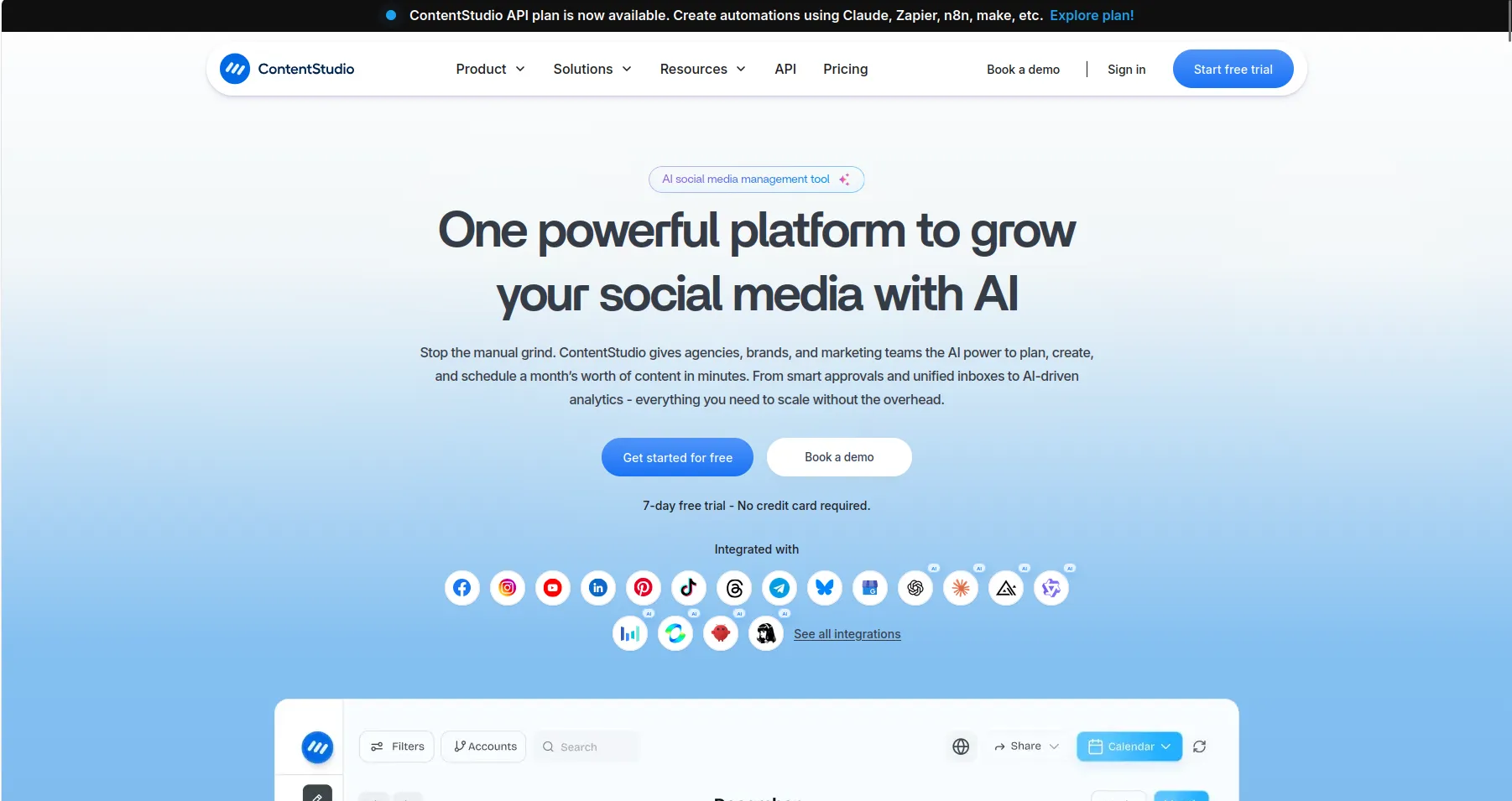
ContentStudio isn't trying to be everything for everyone.
Its strengths are more focused.
For solo creators and smaller teams with a growing library of valuable content, the evergreen recycling functionality is particularly worth considering.
If you have spent months or years creating content that disappears after a single publication, being able to bring that content back into circulation can create significant additional value.
One Year Later
After a year of using ContentStudio, I haven't felt the need to go back to Publer or seriously look for another platform.
The biggest frustrations in my old workflow have largely disappeared.
I'm no longer constantly starting from scratch.
My content queue doesn't feel empty every Monday.
And the work I've already invested in creating content continues to generate value instead of simply sitting in an archive.
My workflow has more memory now.
My mornings are more efficient.
And my existing content has more opportunities to reach people.
That was ultimately what I was looking for.
And, for me, it turned out to be enough.
Read more articles:
https://wakelet.com/wake/BRvjZQlTmepXSrGG5P2Zh

















Sign in to leave a comment.