
In the heart of the New South Wales architectural landscape, a significant shift is taking place. For decades, many homes—from the coastal fringes to the rugged elevations of the Great Dividing Range—have relied on materials that we now know carry significant long-term risks. As we move through 2026, homeowners are no longer willing to settle for temporary patches on hazardous structures. While many initially search for an asbestos roof repair company blue mountains to fix minor cracks or leaks, the growing consensus among safety experts and structural engineers is that total removal and replacement is the only way to truly future-proof a property against the intensifying climate demands of the mid-2020s.
1. The Reality of Asbestos Degradation in 2026
Asbestos-containing materials (ACMs) were once the backbone of the Australian building industry, praised for their fire resistance and durability. However, these materials have an expiration date. In 2026, most asbestos roofs in our region are between 50 and 70 years old.
The Problem of Weathering
Decades of exposure to intense UV radiation, torrential rain, and the occasional frost have made these sheets incredibly brittle. When an asbestos roof reaches this stage, it becomes "friable." This means that even a minor hailstorm or a fallen branch can cause the material to crumble, potentially releasing microscopic fibers into the attic space, garden soil, and the surrounding neighborhood. In 2026, the strategy has moved from "managing the risk" to "eliminating the hazard."
2. Why "Repair" is Often a Short-Term Fix
Many homeowners are tempted by the lower upfront cost of repairs. However, repairing asbestos involves drilling, sanding, or sealing—all activities that risk disturbing the fibers. Furthermore, most modern roofing membranes and sealants do not bond permanently with aged asbestos cement.
By choosing a full replacement over a temporary repair, you are effectively resetting the clock on your home's exterior. You move from a liability-heavy structure to one that meets the 2026 National Construction Code (NCC) standards for safety and efficiency.
3. The Urban Cooling Revolution in Sydney
The environmental challenges facing Sydney in 2026 are more pronounced than ever. The "Urban Heat Island" effect has turned many suburbs into thermal traps during the summer months. Legacy asbestos roofs are significant contributors to this problem; their dark, weathered surfaces absorb vast amounts of solar energy, radiating heat into the home long after the sun has set.
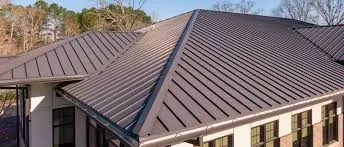
By removing these hazardous layers and replacing them with modern, high-albedo (reflective) metal systems, homeowners are participating in a city-wide cooling movement. Modern "Cool Roof" technology can reflect up to 90% of solar heat, significantly reducing the reliance on expensive air conditioning and making the entire neighborhood more livable.
4. Transitioning to a Smart "Energy Chassis"
One of the most exciting aspects of 2026 roofing technology is the ability to turn your roof into a power-generating asset. You cannot safely install high-tech solar arrays on a brittle asbestos roof because the weight and the mounting requirements would likely crack the sheets.
Once the asbestos is removed and replaced with a modern metal substrate, your roof becomes an "Energy Chassis." This allows for:
- Integrated Solar (BIPV): Solar cells that are built directly into the roofing material for a seamless aesthetic.
- Smart Sensors: IoT devices that monitor for leaf buildup or potential structural stress after a storm.
- Advanced Insulation: Modern blanket insulation (anticon) that provides a thermal barrier asbestos simply cannot match.
5. The Economic Incentive: Value and Insurance
In 2026, the real estate market has become incredibly savvy regarding hazardous materials. A home with a documented "Asbestos-Free Certificate" is now a prerequisite for a premium sale. Buyers are increasingly wary of taking on "remediation debt," often knocking $30,000 to $50,000 off their offer if an asbestos roof is present.
Furthermore, many insurance companies have adjusted their policies in 2026. Premiums for homes with legacy asbestos roofs are rising, and some insurers are refusing to cover water damage caused by the failure of aging ACMs. Replacing your roof isn't just a safety choice; it is a vital financial strategy to protect your equity and lower your annual premiums.
6. The 2026 Removal Standard: Safety First
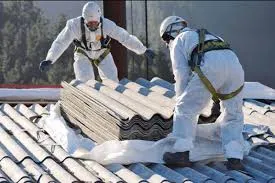
Professional removal today is a high-tech operation. In 2026, reputable companies use:
- HEPA-Filtered Vacuums: To ensure air quality remains pure throughout the process.
- Advanced Encapsulants: Polymers that "lock" fibers in place before sheets are moved.
- Digital Documentation: Providing homeowners with a full digital record of the safe disposal at EPA-approved facilities.
This level of precision ensures that your home remains a safe sanctuary for your family throughout the renovation process, giving you peace of mind that the job was done to the highest regulatory standards.
Conclusion: Building for the Next Generation
The roofs we choose today will define our homes for the next fifty years. As we move away from the hazardous materials of the past, we are embracing a future that is safer, cooler, and more sustainable. By investing in professional removal and transitioning to smart, efficient materials, we are not just fixing a house; we are building a more resilient community for ourselves and the generations to follow.























Sign in to leave a comment.