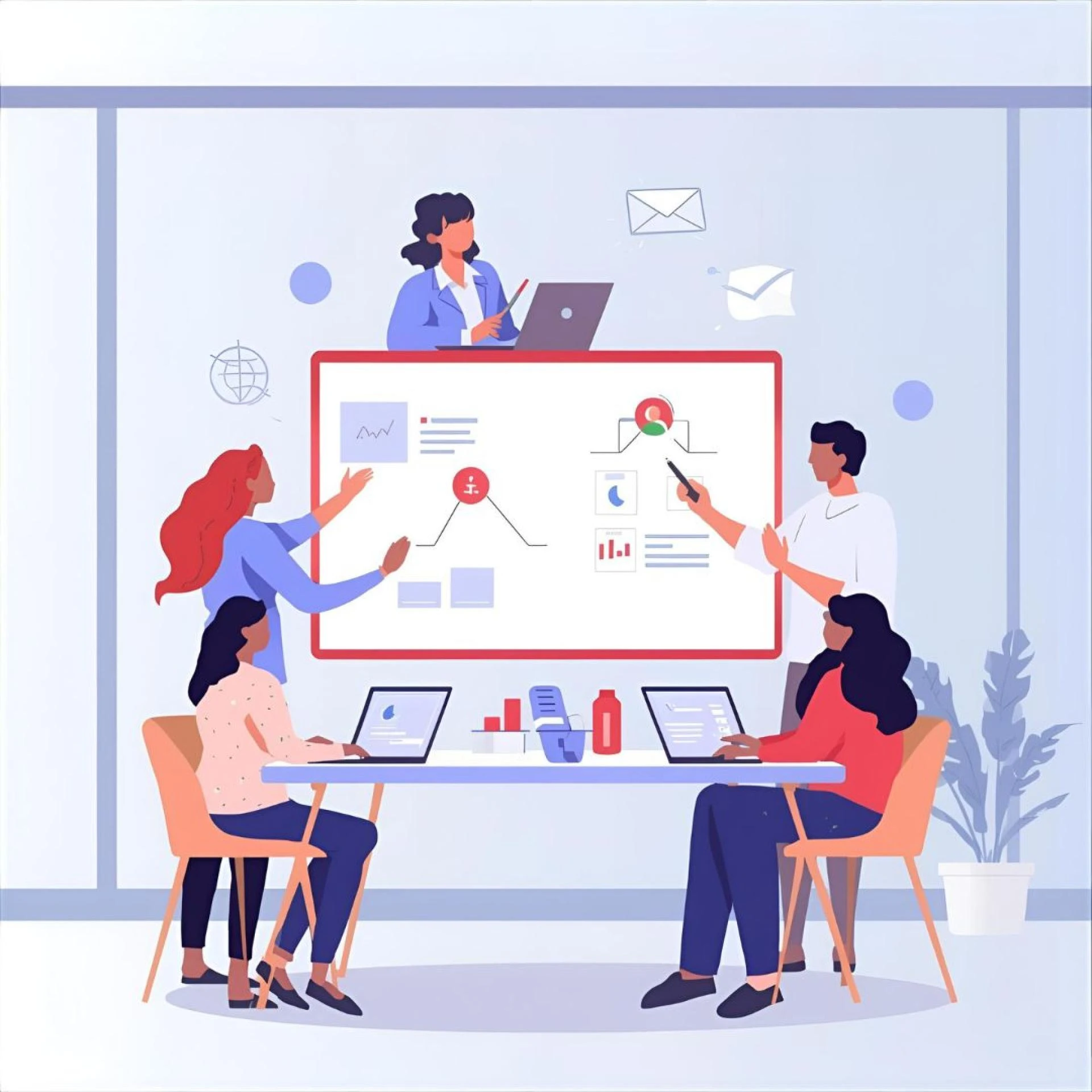

The digital landscape in 2025 is no longer about isolated marketing efforts—it's about connection, integration and synergy. Brands that still approach SEO, content marketing, social media and paid advertising as separate departments are already falling behind. Consumers move fluidly across channels, and your strategy must follow them with equal fluidity.
A holistic digital strategy doesn’t just increase visibility; it improves trust, accelerates conversions and strengthens long-term brand equity. As digital ecosystems become more complex—with the rise of AI-driven search, short-form video dominance and multi-touch attribution—businesses must rethink how every marketing element works together.
Why Holistic Marketing Matters More Than Ever
The reason integrated marketing is now essential is simple: customer journeys have become nonlinear. A user may discover a brand through a TikTok video, research it on Google, read reviews on X, visit the website organically, and finally convert through a retargeting ad.
When this journey is fragmented, the impact drops. But when each touchpoint reinforces the previous one, conversions increase dramatically.
Recent digital trends prove this shift. AI-powered search has reshaped SEO, while social commerce continues to grow at an unprecedented pace. Paid platforms like Google Ads and Meta have released AI-driven campaign formats that automate bidding and targeting based on cross-channel signals. This is the strongest indication yet that platforms themselves are pushing marketers toward a unified digital presence.
If your brand is not integrated, your performance is already compromised.
Integrating SEO With Content: The Foundation of Digital Success
The first pillar of a holistic strategy is the combination of SEO and content. Great content without optimization is invisible, and SEO without strong content has no long-term fuel.
In 2025, search engines prioritize content that demonstrates real expertise, original thought, strategic depth and helpfulness. This is why E-E-A-T principles—Experience, Expertise, Authority and Trustworthiness—are essential for ranking.
When SEO guides your content plan, it becomes easier to build topical authority that keeps your site relevant across multiple search categories. This is also where keyword clusters, intent mapping and long-form value-driven content play crucial roles.
While many learners today are exploring marketing careers, several prefer structured learning paths. This has contributed to rising interest in programs like course about digital marketing, especially in regions experiencing rapid corporate digital adoption. However, the bigger picture remains the importance of aligning skill development with modern integrated marketing practices.
Social Media as the Engagement Engine
Social media brings personality, immediacy and relatability to the digital ecosystem. It humanizes brands in ways long-form content or paid ads cannot. But for it to support a holistic strategy, social content should be aligned with SEO topics and supported by paid distribution.
Short-form video continues dominating reach, especially after multiple platforms updated their algorithms in 2025 to boost AI-detected “high-retention” content. This means brands must move beyond generic posts and focus on storytelling formats that encourage saves, shares and repeat views.
Consistency, creator collaborations and micro-influencer partnerships are also becoming cornerstones for building cross-platform momentum.
As businesses in fast-growing metros adopt structured learning, many individuals are exploring skill-building options such as Digital marketing courses in pune, driven by increasing demand for professionals who understand integrated digital ecosystems.
Paid Ads: The Layer That Accelerates Growth
Paid advertising is no longer a standalone tool for instant results—it is now the accelerator for organic and social efforts. When used strategically, paid ads amplify reach, boost visibility for high-value content and support retargeting based on user behavior.
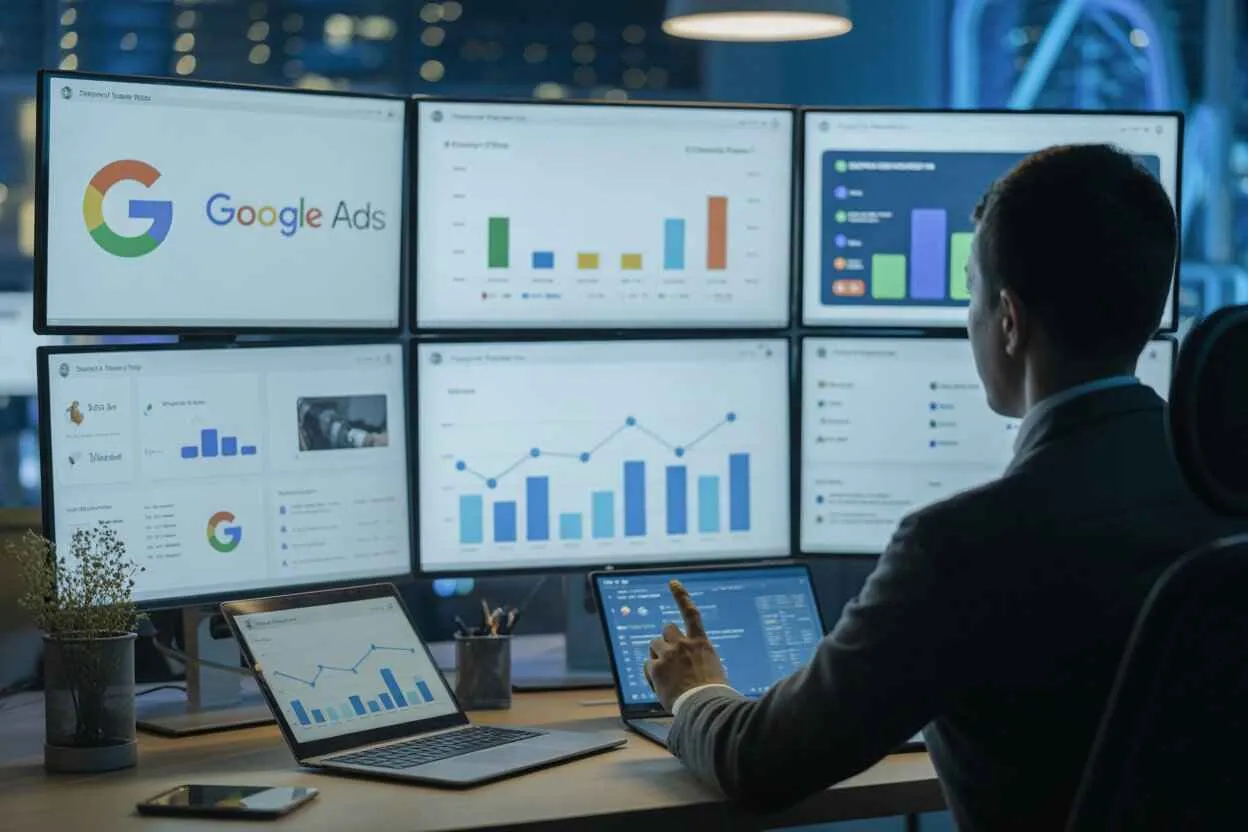
In 2025, automation is at the heart of performance marketing. Platforms like Google, Meta and LinkedIn have shifted toward AI-powered campaign formats that automatically adjust targeting, creative placement and budgets. Marketers now focus more on creative strategy, audience understanding and funnel mapping rather than manual optimization.
However, paid ads work best when aligned with SEO content themes and reinforced through social media storytelling. This is where the holistic approach becomes powerful: every part of the strategy works together, not independently.
How All Channels Work Together
To maximize impact, brands must create a unified funnel:
1. Awareness
- Social reels, YouTube Shorts and paid discovery ads
- Educational SEO blogs and infographics
- Trend-based content that aligns with audience interests
2. Consideration
- Long-form SEO articles
- Downloadable lead magnets
- Case studies and customer stories
3. Conversion
- Retargeting ads
- Optimized landing pages
- Automated email sequences
4. Loyalty
- Community engagement
- Email newsletters
- Personalized remarketing campaigns
Each channel fuels the next, ensuring the brand stays present, consistent and trustworthy throughout the customer journey.
The Growing Demand for Integrated Skill Sets
Companies today no longer hire marketers for single specializations; they need professionals who can think holistically. SEO specialists must understand social media, content creators must understand analytics, and paid ad managers must understand brand tone and storytelling.
Because of this shift, learners across emerging business hubs are looking for structured education in multi-channel marketing strategies. This surge in interest has significantly increased the demand for professional programs such as best digital marketing courses in pune, especially among those aiming to master advanced integrated marketing techniques.
Conclusion: The Future Belongs to Marketers Who Think in Systems
As digital ecosystems grow increasingly interconnected, brands can no longer rely on isolated tactics. The winners in 2025 and beyond will be those who integrate SEO, content, social media and paid advertising into a single, fluid strategy that adapts to user behavior.
The rising adoption of structured digital learning—such as digital marketing training courses in pune—shows that more professionals are preparing to meet the demand for holistic marketing skills. But the core message remains: integration is no longer optional. It is the foundation of sustainable digital success.

























Sign in to leave a comment.