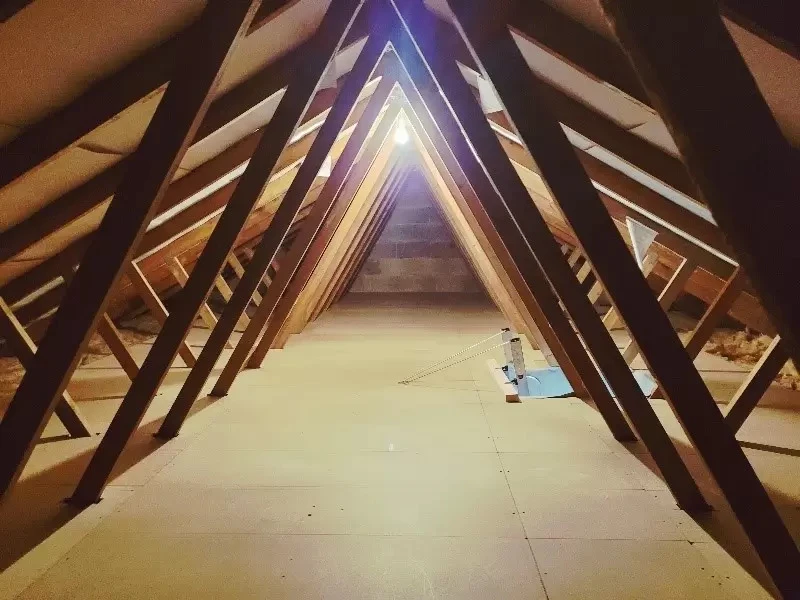

Are you looking for ways to maximize your living space while enhancing the overall look and functionality of your home? Loft boarding could be the perfect solution. Often overlooked, your loft space can become an essential part of your home when transformed from a simple storage area to a stylish and organized environment.
In this article, we’ll explore how loft boarding can enhance your home, increase storage capacity, and even add value to your property. Whether you’re considering loft boarding for storage, home office use, or simply to improve the aesthetic appeal of your space, this transformation offers numerous benefits. Let’s dive into how loft boarding can revolutionize your home.
What Is Loft Boarding?
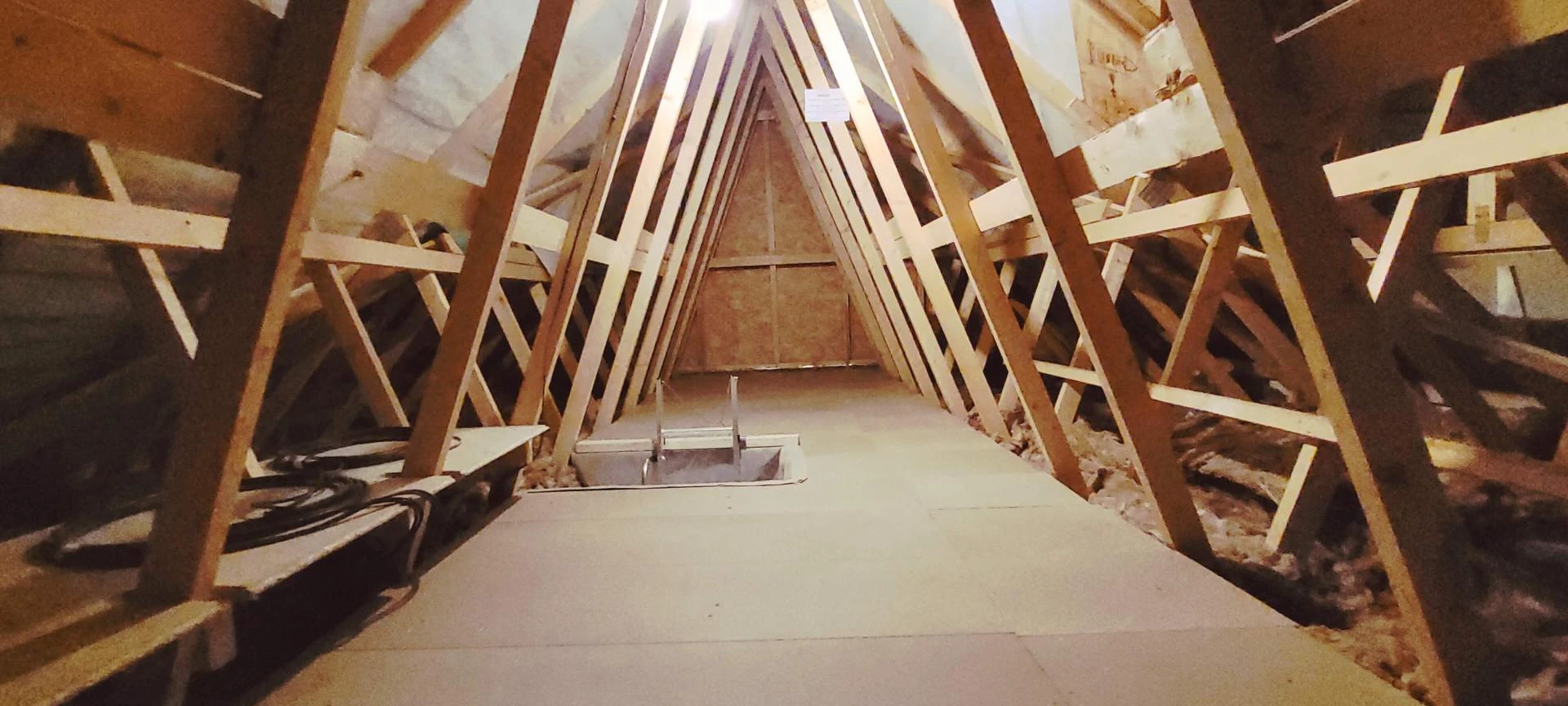
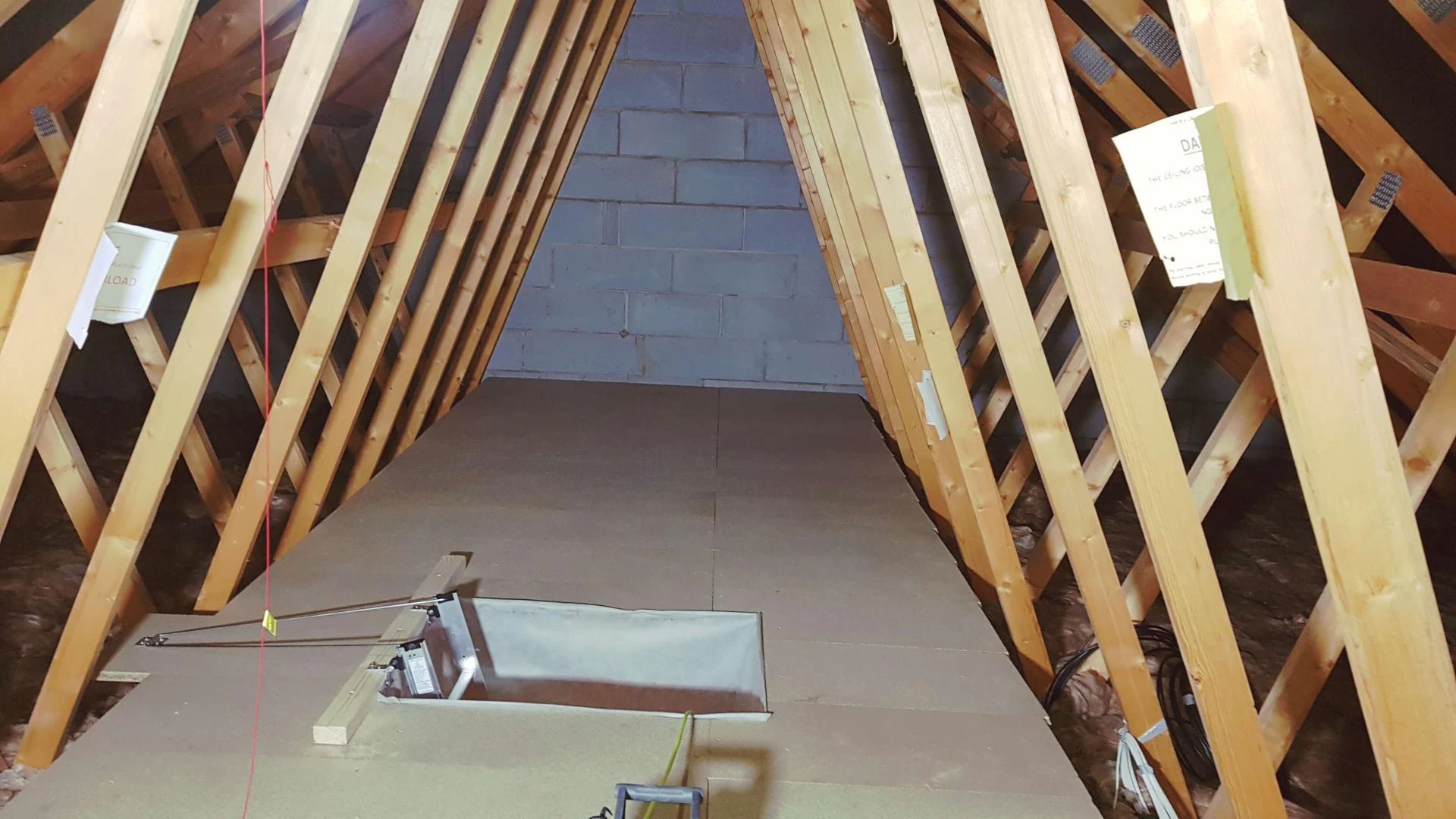
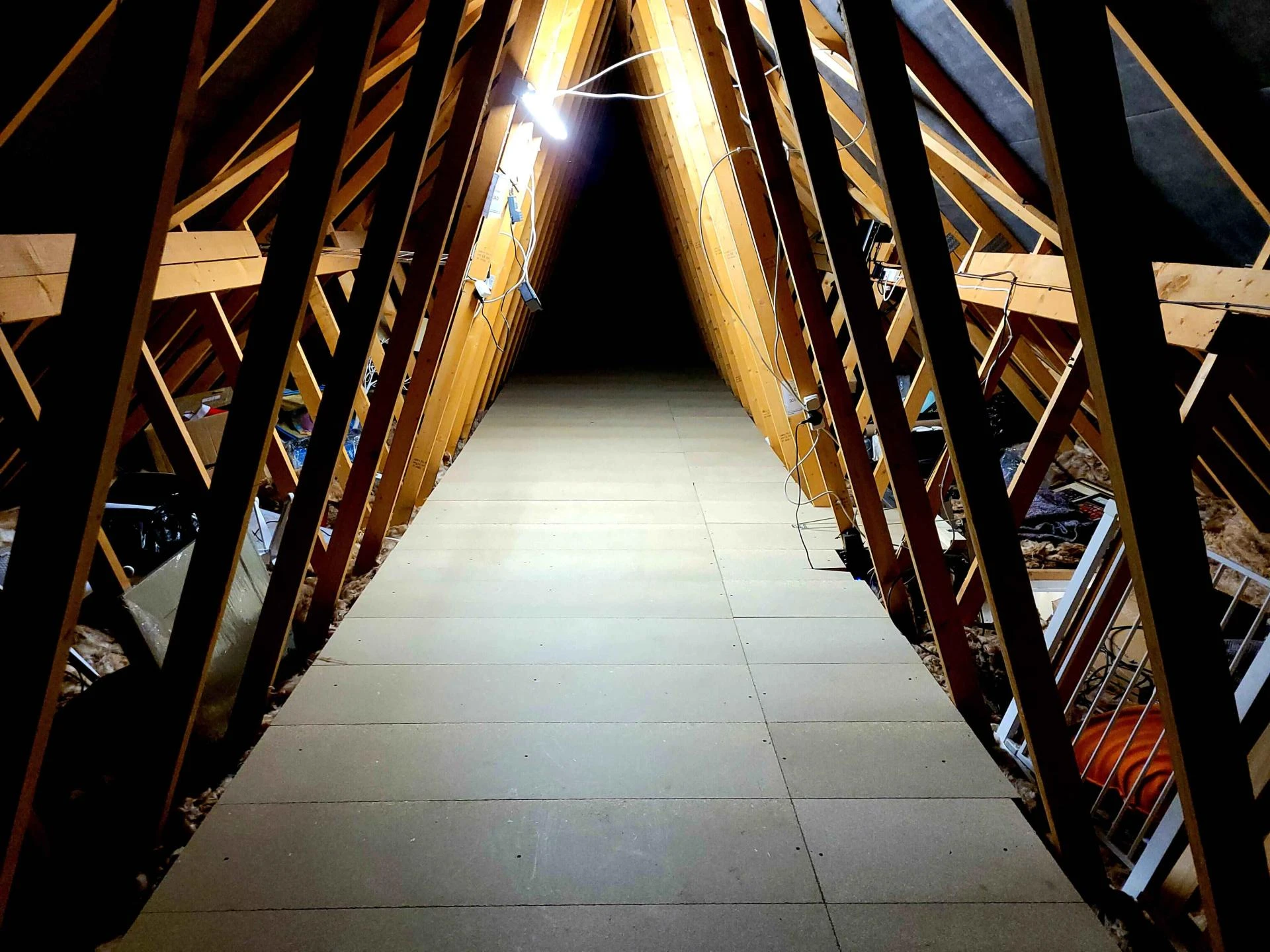
Loft boarding refers to the process of installing a secure and sturdy floor in your attic or loft space. This creates a usable area for storage, work, or even leisure. Traditionally, lofts are left unused or used for storing seasonal items like decorations or old clothes. However, by installing loft boarding, you effectively unlock the full potential of this area.
Loft boarding can be done in various ways depending on the specific needs of the homeowner. The process involves laying boards or panels on the loft’s rafters, giving you a flat surface to move around and store items safely. Not only does this make your loft more accessible, but it can also be an attractive solution to other home improvement goals.
Benefits of Loft Boarding
There are numerous reasons to consider loft boarding, with the most notable benefits being:
1. Maximized Storage Space
One of the primary reasons homeowners opt for loft boarding is the additional storage space it offers. Attics and lofts are often underutilized due to their awkward shape and lack of flooring. By installing loft boards, you can safely store seasonal items, documents, and other goods out of sight, freeing up space in your living areas.
2. Increased Property Value
Transforming your loft into a functional space with loft boarding can increase the overall value of your home. Potential buyers will see the added storage options as a positive feature, especially in homes where space is at a premium. This simple upgrade could make your property more appealing to future buyers, increasing its market value.
3. Improved Organization
Loft boarding doesn’t just create space—it also helps with organization. Instead of stacking boxes haphazardly in your loft, you can neatly organize your items, making it easier to find what you need when you need it. Using shelving units or storage boxes, you can create a tidy, organized space that keeps clutter out of sight.
4. Additional Usable Space
With the right loft boarding setup, you can turn your loft into more than just a storage space. Whether you need a home office, a reading nook, or a play area for kids, loft boarding can create a safe and accessible area for various activities. This additional usable space can make your home feel larger without the need for expensive renovations or extensions.
5. Energy Efficiency
Installing loft boarding can also improve the energy efficiency of your home. Properly boarded lofts can help maintain the temperature by providing better insulation. This prevents heat from escaping through the attic, keeping your home warmer during winter and cooler during summer. As a result, you could save on energy bills.
How Loft Boarding Transforms Your Home's Aesthetics
Aside from the practical benefits, loft boarding can dramatically change the aesthetic of your home. While attics are typically dark, uninviting spaces, a well-executed loft boarding project can introduce light and a sense of style into this often-neglected area. With the right materials and design choices, loft boarding can create a clean, minimalist look that fits seamlessly with the rest of your home.
Choosing the Right Materials
When it comes to loft boarding, the material you choose plays a significant role in the finished appearance and functionality. For example:
- Plywood: Plywood is an affordable and durable option for loft boarding. It can easily support the weight of stored items and is easy to work with. Plywood can also be painted or stained to suit your home’s design aesthetic.
- Chipboard: This is another commonly used material. It’s slightly less expensive than plywood and provides a flat, sturdy surface for storage.
- Tongue-and-Groove Boards: For a more elegant finish, tongue-and-groove boards offer a seamless, polished appearance. These are ideal if you plan to turn your loft into a living space or a more stylish storage area.
Adding Shelving and Storage Solutions
Once your loft is boarded, you can incorporate various storage solutions to further optimize the space. Adding shelving units along the walls can create vertical storage, keeping the floor space clear. You can also install built-in cupboards or drawers to keep your items organized and out of sight. This organized approach helps maintain the aesthetic appeal of your home, even in a hidden area like the loft.
Lighting and Finishing Touches
While lofts are typically dim spaces, adding lighting fixtures can create a bright, welcoming area. LED strip lights or small pendant lights can illuminate the space, making it easier to access stored items. A few carefully chosen finishing touches—like decorative baskets or stylish storage containers—can also enhance the loft's appearance, blending it with the rest of your home’s decor.
Loft Boarding as a Sustainable Solution
In today’s world, sustainability is at the forefront of many homeowners’ minds. Loft boarding offers an eco-friendly solution to increase storage without the need for extensive construction or demolition. By reusing existing attic space, you avoid the carbon footprint associated with building an extension or renovation.
Additionally, many loft boarding materials are recyclable or made from sustainable sources, making it a greener choice for homeowners looking to reduce their environmental impact.
Professional Loft Boarding vs. DIY
While loft boarding can be a DIY project, many homeowners choose to hire professionals for the job. Professional loft boarding services ensure that the installation is safe, secure, and completed to a high standard. They can also provide advice on the best materials to use, depending on your needs and budget.
However, if you're handy with tools and have some experience with home improvements, DIY loft boarding can be a satisfying project to tackle. Just ensure that you follow proper safety protocols and ensure the boards are installed securely to prevent accidents.
Conclusion
Loft boarding is a fantastic way to maximize space in your home, offering a range of benefits that extend far beyond simple storage. Not only does it provide an organized and efficient solution for storing belongings, but it can also enhance the aesthetic of your home, add value to your property, and even improve energy efficiency. Whether you’re transforming your loft for extra storage or planning to make it a functional living space, loft boarding is a smart, stylish, and practical home improvement.
If you're looking to make the most of your attic space, consider loft boarding as a versatile and cost-effective solution. With the right approach, your loft can be transformed from a dusty storage room into a useful, stylish area that complements your home.
FAQs
1. What is loft boarding, and why should I consider it for my home?
Loft boarding is the process of installing a floor in your attic or loft, turning it into a usable space for storage or other purposes. It helps you maximize your home’s storage capacity, adds value to your property, and improves organization.
2. Can I install loft boarding myself?
Yes, loft boarding can be a DIY project if you're comfortable with basic tools and home improvement tasks. However, hiring a professional ensures the job is done correctly, safely, and up to standard.
3. How much does loft boarding cost?
The cost of loft boarding depends on several factors, including the size of your loft, the materials used, and whether you hire a professional. On average, DIY materials may cost a few hundred dollars, while professional installation can range from a few hundred to a couple of thousand.
4. Will loft boarding make my attic more energy efficient?
Yes, loft boarding can improve your home’s energy efficiency by helping to insulate the attic space. This reduces heat loss in the winter and keeps the attic cooler in the summer, ultimately lowering your energy bills.
5. What materials are best for loft boarding?
Plywood, chipboard, and tongue-and-groove boards are common materials used for loft boarding. Plywood offers durability, chipboard is affordable, and tongue-and-groove provides a sleek, polished finish ideal for living spaces.
























Sign in to leave a comment.