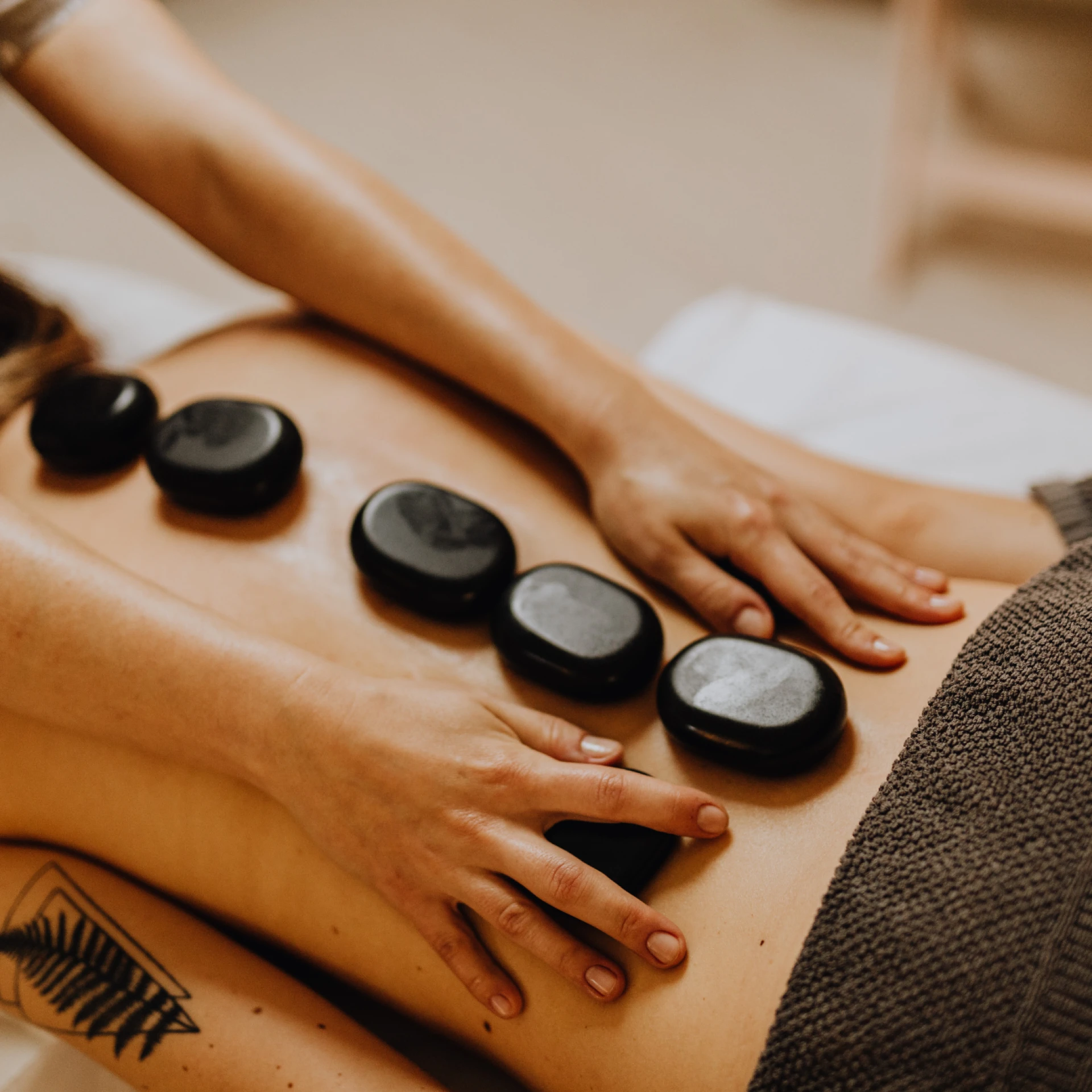
Imagine lying down in a quiet room, soft music playing, as gentle hands hover just above your body. A calm warmth spreads through you, easing tension you didn’t even realize you were holding. This is Reiki-a healing practice that has helped millions find relief from stress and discover deeper spiritual connections. But what exactly is Reiki, and how can it benefit you?
What Is Reiki? Understanding the Basics
Reiki is a Japanese healing technique that channels energy through the practitioner’s hands to promote physical, emotional, and spiritual well-being. The word “Reiki” combines two Japanese words: “Rei,” meaning universal, and “Ki,” meaning life energy. Together, they describe a universal life force energy that flows through all living things.
Unlike massage or physical therapy, Reiki doesn’t involve manipulation of muscles or tissues. Instead, the practitioner acts as a conduit, guiding energy to areas of the body that need balance or healing. This energy is believed to stimulate the body’s natural healing processes and restore harmony. Practitioners often emphasize that Reiki can complement other medical treatments, enhancing overall wellness and aiding in recovery from various ailments.
The Origins of Reiki
Reiki was developed in the early 20th century by Mikao Usui, a Japanese Buddhist who sought a method to heal and connect with spiritual energy. After years of study and meditation, Usui experienced a profound awakening and began sharing his technique with others. Since then, Reiki has spread worldwide, evolving into various styles but always maintaining its core principle: channeling universal energy for healing. Today, there are many schools of thought within Reiki, including Usui Reiki, Karuna Reiki, and others, each offering unique approaches and philosophies while adhering to the foundational principles established by Usui. Practitioners often discover their Joy Potential through the practice of Reiki, experiencing greater emotional balance and spiritual fulfillment.
How Does a Reiki Session Work?
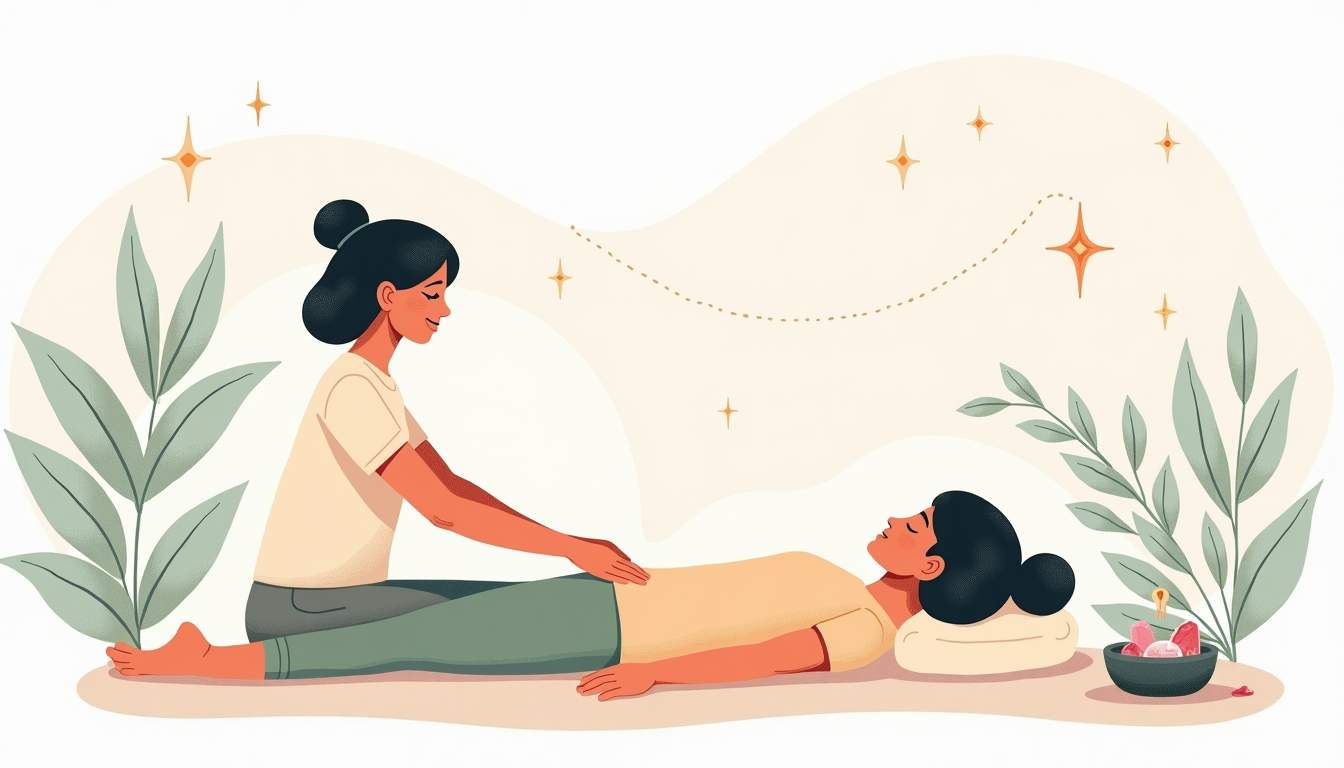
During a Reiki session, you typically lie fully clothed on a massage table. The practitioner places their hands lightly on or just above different parts of your body, often starting at the head and moving down to the feet. Each placement lasts several minutes, allowing energy to flow freely. The environment is usually calm and serene, often enhanced by soft music or nature sounds, which helps create a peaceful atmosphere conducive to relaxation and healing.
Many people report sensations like warmth, tingling, or deep relaxation. Some even experience emotional releases or vivid imagery. Sessions usually last between 30 to 60 minutes, and the number of sessions needed varies depending on individual goals and conditions. It’s not uncommon for clients to feel a sense of clarity or emotional release during or after a session, as Reiki can help to clear blockages and promote a sense of inner peace. Additionally, some practitioners incorporate crystals or aromatherapy into their sessions, further enhancing the experience and the energetic flow, allowing for a more personalized healing journey.
Stress Relief Through Energy Healing
Stress is one of the most common reasons people turn to Reiki. Life’s pressures can build up, causing physical symptoms like headaches, muscle tension, and fatigue, as well as emotional issues such as anxiety and irritability. Reiki offers a gentle, non-invasive way to ease these burdens.
How Reiki Calms the Nervous System
Scientific studies suggest that Reiki may help activate the parasympathetic nervous system-the part responsible for rest and relaxation. When this system is engaged, heart rate slows, blood pressure lowers, and the body shifts out of “fight or flight” mode.
This shift allows muscles to relax and the mind to become calm. Many recipients describe feeling as if a heavy weight has been lifted or a fog has cleared after a session. The deep relaxation induced by Reiki can also improve sleep quality, which is crucial for managing stress.
Emotional Balance and Reiki
Stress often triggers emotional turmoil-worry, sadness, frustration. Reiki encourages emotional release in a safe space, helping you process feelings without judgment. The energy flow can clear blockages that trap negative emotions, making room for peace and clarity.
Regular Reiki sessions can cultivate resilience, making it easier to handle life’s ups and downs. It’s not about avoiding stress but learning to respond with calm and centeredness.
Physical Healing and Pain Management
While Reiki is not a substitute for medical treatment, many people use it alongside conventional care to support physical healing. It can complement treatments for chronic pain, injuries, and illnesses by promoting relaxation and reducing discomfort.
Reiki and Pain Relief
Chronic pain can be exhausting and isolating. Reiki’s calming effect helps reduce muscle tension and inflammation, which often contribute to pain. By lowering stress hormones and encouraging endorphin release, Reiki can naturally ease discomfort.
Some studies have shown that patients receiving Reiki report less pain and anxiety during procedures like surgery or chemotherapy. The gentle touch and focused energy make it an appealing option for those seeking holistic pain management.
Supporting Recovery and Immune Function
Healing isn’t just about the absence of symptoms. It’s about restoring balance to the whole system. Reiki is thought to boost the immune system by reducing stress and promoting relaxation, which are key factors in recovery.
People recovering from surgery, illness, or injury often find Reiki sessions help speed up healing and improve overall well-being. The practice encourages the body to use its own innate wisdom to repair and regenerate.
Spiritual Growth and Self-Discovery
Beyond physical and emotional benefits, Reiki offers a path to spiritual growth. It invites you to connect with your inner self and the universal energy that flows through all life.
Opening to Intuition and Awareness
Reiki can heighten your sensitivity to subtle energies and deepen your intuition. Many practitioners and recipients report increased clarity, insight, and a stronger sense of purpose after engaging with Reiki regularly.
This heightened awareness can help you navigate life’s challenges with greater ease and confidence. It’s like tuning into a deeper frequency that guides your decisions and relationships.
Reiki as a Meditation Practice
Some people incorporate Reiki into their meditation routines, using the energy flow to deepen relaxation and focus. The gentle presence of Reiki energy can quiet the mind and open the heart, making meditation more accessible and rewarding.
Whether you’re new to meditation or an experienced practitioner, Reiki can enhance your spiritual practice by fostering a sense of connection and peace.
Learning Reiki: Becoming a Practitioner
Curious about experiencing Reiki on a deeper level? Many people choose to learn Reiki themselves, becoming practitioners who can share the healing energy with others.
The Reiki Training Levels
Reiki training typically happens in three levels or degrees:
- Level 1: Focuses on self-healing and hands-on techniques. You learn how to channel energy to yourself and others.
- Level 2: Introduces symbols and mantras that enhance the energy flow, allowing for distance healing and more powerful sessions.
- Level 3 (Master Level): Prepares you to teach Reiki and attune others, deepening your connection to the energy.
Each level involves attunements-ceremonies where a Reiki master opens your energy channels to receive and transmit Reiki energy more effectively.
Finding the Right Teacher
Choosing a qualified Reiki master is important. Look for someone with experience, a good reputation, and a teaching style that resonates with you. Many practitioners offer introductory workshops or private lessons, so you can explore Reiki at your own pace.
Learning Reiki is not just about technique; it’s a journey of personal growth and discovery. The training often brings insights and shifts in perspective that extend beyond healing.
Integrating Reiki Into Daily Life
Reiki doesn’t have to be limited to formal sessions. It can become a part of your everyday routine, helping you maintain balance and well-being.
Self-Reiki: Healing at Home
Once you learn the basics, you can practice Reiki on yourself anytime. It’s a simple way to reduce stress after a long day, soothe aches, or center your mind before a big event.
Self-Reiki involves placing your hands on different parts of your body and inviting the energy to flow. Even a few minutes can make a noticeable difference in your mood and energy levels.
Using Reiki for Others
Friends, family members, and pets can also benefit from Reiki. Offering a session to someone you care about is a loving way to support their health and happiness.
Because Reiki is gentle and non-invasive, it’s safe for all ages and conditions. It can be especially helpful for children, seniors, or those with chronic illnesses.
Creating a Reiki Space
Setting up a dedicated space for Reiki practice can enhance your experience. Choose a quiet, comfortable spot with soft lighting and minimal distractions. You might add candles, crystals, or calming scents to create a soothing atmosphere.
Having a special place signals to your mind and body that it’s time to relax and connect with healing energy.
Common Questions About Reiki
Is Reiki Religious?
Reiki is spiritual but not affiliated with any religion. It’s based on universal energy accessible to everyone, regardless of beliefs. People from all backgrounds practice Reiki comfortably alongside their own faith traditions.
Can Reiki Replace Medical Treatment?
Reiki complements but does not replace medical care. It’s best used alongside conventional treatments to support healing and well-being. Always consult your healthcare provider about any health concerns.
Does Reiki Require Belief to Work?
While openness can enhance the experience, Reiki works regardless of belief. The energy flows naturally and can benefit anyone willing to receive it.
Final Thoughts
Reiki offers a gentle, accessible path to stress relief, physical healing, and spiritual growth. Whether you seek relaxation after a hectic day, support during illness, or a deeper connection to yourself and the universe, Reiki can be a valuable tool.
Its simplicity and universality make it a practice anyone can explore. With time and openness, Reiki can transform not just your health but your entire outlook on life.













Sign in to leave a comment.