
Winning isn’t just about scoring points or making the perfect play. It’s about mindset, preparation, and how you carry yourself beyond the final whistle. Whether you’re an athlete, coach, or sports enthusiast, mastering the game means excelling both on the field and in life.
Sharpening Your Physical Skills
Training with Purpose
Every athlete knows that practice makes perfect, but not all practice is created equal. Training with purpose means setting clear, measurable goals for each session. Instead of just running laps or doing drills mindlessly, focus on what you want to improve speed, agility, endurance, or technique. This targeted approach accelerates progress and keeps motivation high.
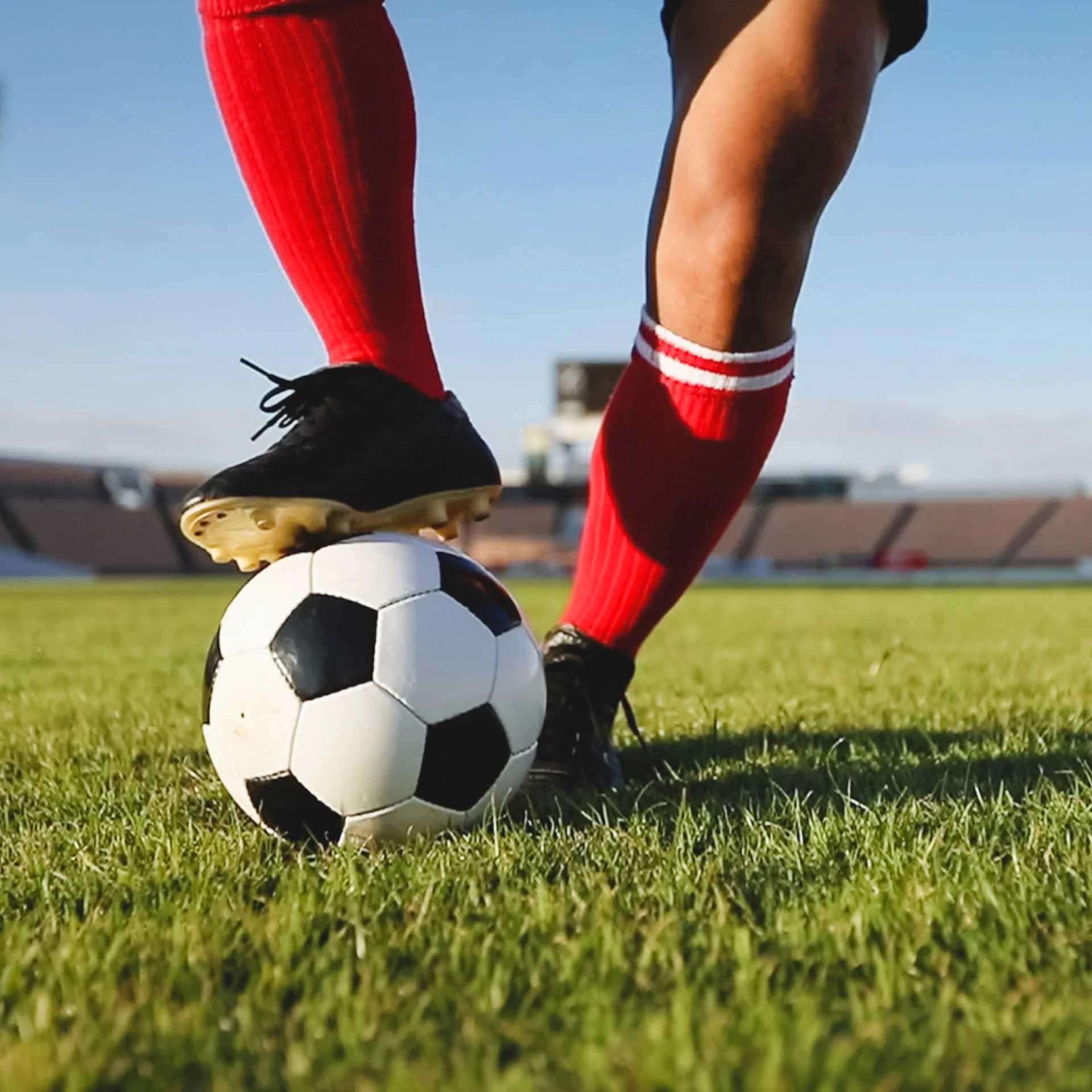
Incorporate a mix of strength training, cardio, and sport-specific drills. For example, a soccer player might combine sprint intervals with ball control exercises, while a basketball player focuses on shooting drills and plyometric jumps. The key is variety and consistency. Additionally, utilizing technology can enhance your training experience. Wearable devices that track your heart rate, distance, and even your recovery times can provide valuable insights. By analyzing this data, you can adjust your training regimen to better suit your evolving needs and capabilities, ensuring that each session is as effective as possible.
Recovery: The Often Overlooked Edge
Physical preparation isn’t just about pushing harder; it’s also about knowing when to rest. Recovery strategies like stretching, foam rolling, and adequate sleep can prevent injuries and improve performance. Athletes who ignore recovery risk burnout and setbacks that can derail their progress. It’s essential to listen to your body and recognize the signs of fatigue, as pushing through pain can lead to long-term damage.
Nutrition plays a huge role here, too. Eating the right balance of proteins, carbs, and fats fuels your body and helps repair muscles. Hydration is equally important dehydration can sap energy and focus faster than most realize. Moreover, consider incorporating recovery foods into your diet, such as smoothies rich in antioxidants or meals packed with omega-3 fatty acids, which can help reduce inflammation and speed up recovery. Additionally, mindfulness practices like yoga or meditation can enhance mental recovery, allowing you to return to training with a refreshed mindset and renewed focus, ultimately enhancing your overall performance. Learn more about how Barcelona Premier SC supports athletes with nutrition and recovery programs.
Building Mental Toughness
Focus Under Pressure
Games are won or lost in moments of pressure. The ability to stay calm and focused when the stakes are high separates good players from great ones. Mental toughness isn’t just about grit; it’s about training your brain to manage stress and maintain clarity. In high-stakes situations, the mind can easily become cluttered with distractions, doubts, and fears. This is where the mental game truly begins, as athletes must learn to filter out the noise and hone in on their performance.
Techniques like visualization—imagining yourself succeeding in key moments—can build confidence. Breathing exercises help regulate nerves. Developing a pre-game routine can ground you and create a sense of control, no matter the chaos around you. Additionally, mindfulness practices, such as meditation, can enhance focus by training the mind to remain present. Athletes who integrate these practices into their training often find themselves better equipped to handle the pressures of competition, allowing them to perform at their best when it matters most.
Resilience: Bouncing Back Stronger
Every athlete faces setbacks—missed shots, injuries, losses. Resilience is the skill that turns these moments into fuel for improvement. Instead of dwelling on failure, resilient players analyze what went wrong, learn from it, and come back stronger. This process of reflection is essential; it transforms adversity into a powerful teacher, guiding athletes toward better strategies and techniques for future challenges.
Adopting a growth mindset is crucial here. Viewing challenges as opportunities to learn rather than threats to your ability keeps you moving forward. Resilience also means seeking support when needed, whether from coaches, teammates, or mental health professionals. Building a strong support network can provide the encouragement and perspective needed to navigate tough times. Furthermore, journaling about experiences and emotions can help athletes process their feelings and track their progress, reinforcing the idea that setbacks are merely stepping stones on the path to success.
Leadership and Team Dynamics
Leading by Example
Leadership isn’t about barking orders or being the loudest voice in the locker room. It’s about setting the tone through your actions. Showing up early, giving your best effort, and maintaining a positive attitude inspires teammates to do the same.
Great leaders communicate clearly and listen actively. They recognize individual strengths and help bring out the best in others. Whether you’re a captain or a role player, leadership is about contributing to the team’s success in meaningful ways. This can also involve making tough decisions for the good of the team, such as addressing conflicts head-on or encouraging teammates to push beyond their limits. A leader’s ability to navigate these challenges not only builds respect but also reinforces the idea that everyone is working towards a common goal.
Building Trust and Chemistry
Teams that trust each other perform better under pressure. Trust is built through honesty, consistency, and shared experiences. Off the field, spending time together—whether through team dinners, community service, or casual hangouts—strengthens bonds. These shared moments create a sense of belonging and camaraderie that translates into better performance during games. Engaging in team-building activities, such as retreats or workshops, can also help deepen relationships and improve communication skills among teammates.
On the field, trust means knowing your teammates will cover their responsibilities, communicate effectively, and support one another. Coaches can foster this by encouraging open dialogue and creating an environment where everyone feels valued. Additionally, celebrating small victories together can reinforce this trust, as it reminds the team of their collective capabilities and shared commitment. When players feel secure in their roles and confident in each other’s abilities, they are more likely to take calculated risks, leading to innovative plays and strategies that can elevate the entire team's performance.
Life Skills Beyond the Game
Time Management and Discipline
Balancing training, games, school or work, and personal life demands excellent time management. Developing discipline to stick to schedules and prioritize tasks is essential. This skill translates directly to success off the field, whether in academics, career, or personal goals.
Using planners or digital calendars can help keep commitments organized. Setting boundaries—like dedicated study or rest times—prevents burnout and ensures steady progress in all areas of life. Moreover, athletes often learn to set short-term and long-term goals, breaking down larger objectives into manageable tasks. This approach not only enhances focus but also builds a sense of accomplishment as each milestone is achieved. Regularly reviewing these goals can foster a growth mindset, encouraging athletes to adapt and refine their strategies as they progress.
Financial Literacy for Athletes
Many athletes face financial challenges, especially early in their careers. Understanding budgeting, saving, and investing can provide stability and peace of mind. Learning to manage money wisely helps avoid common pitfalls like overspending or falling into debt.
Seeking advice from trusted financial experts or mentors can make a big difference. Even simple steps, like tracking expenses and setting financial goals, lay the groundwork for long-term security. Additionally, athletes should educate themselves on the importance of building an emergency fund, which can serve as a financial cushion during unexpected circumstances, such as injuries or career transitions. Engaging in workshops or seminars on financial literacy can also empower athletes to make informed decisions about endorsements, contracts, and retirement plans, ensuring they are well-prepared for life after sports.
Giving Back: The True Mark of a Champion
Community Involvement
Great athletes often use their platform to make a positive impact. Volunteering, mentoring younger players, or supporting local causes enriches both the community and the individual. Giving back fosters gratitude and perspective, reminding athletes that success isn’t just personal it’s shared.
Engaging with fans and neighbors humanizes the athlete and builds lasting relationships. It also teaches valuable lessons in humility and responsibility. For instance, many athletes organize charity events, such as basketball games or golf tournaments, where proceeds go to local schools or health initiatives. These events not only raise funds but also create a sense of unity and purpose within the community. Moreover, when athletes take the time to visit schools or youth programs, they inspire the next generation to dream big and work hard, showing that dedication and perseverance can lead to success.
Using Your Voice for Change
Sports can be a powerful vehicle for social change. Athletes who speak out on important issues inspire others and promote awareness. Whether it’s advocating for equality, health, or education, using your voice amplifies your influence beyond the scoreboard.
Standing up for what’s right requires courage, but it also earns respect and creates a legacy that lasts long after the final game. Many athletes leverage their social media platforms to raise awareness about pressing issues, sharing personal stories and statistics that highlight injustices. This kind of advocacy can mobilize fans and followers to take action, whether it’s participating in protests, donating to causes, or simply engaging in conversations that challenge the status quo. By championing causes close to their hearts, athletes not only elevate their own profiles but also contribute to a broader dialogue that can lead to meaningful change in society.
Conclusion
Mastering the game on and off the field means committing to growth in every aspect of life. Physical skill, mental toughness, leadership, life management, and community engagement all play a role. Success isn’t a destination-it’s a daily practice.
Every practice session, every challenge, and every interaction is an opportunity to improve. The athletes who embrace this holistic approach find fulfillment not just in victories, but in becoming the best versions of themselves.



























Sign in to leave a comment.