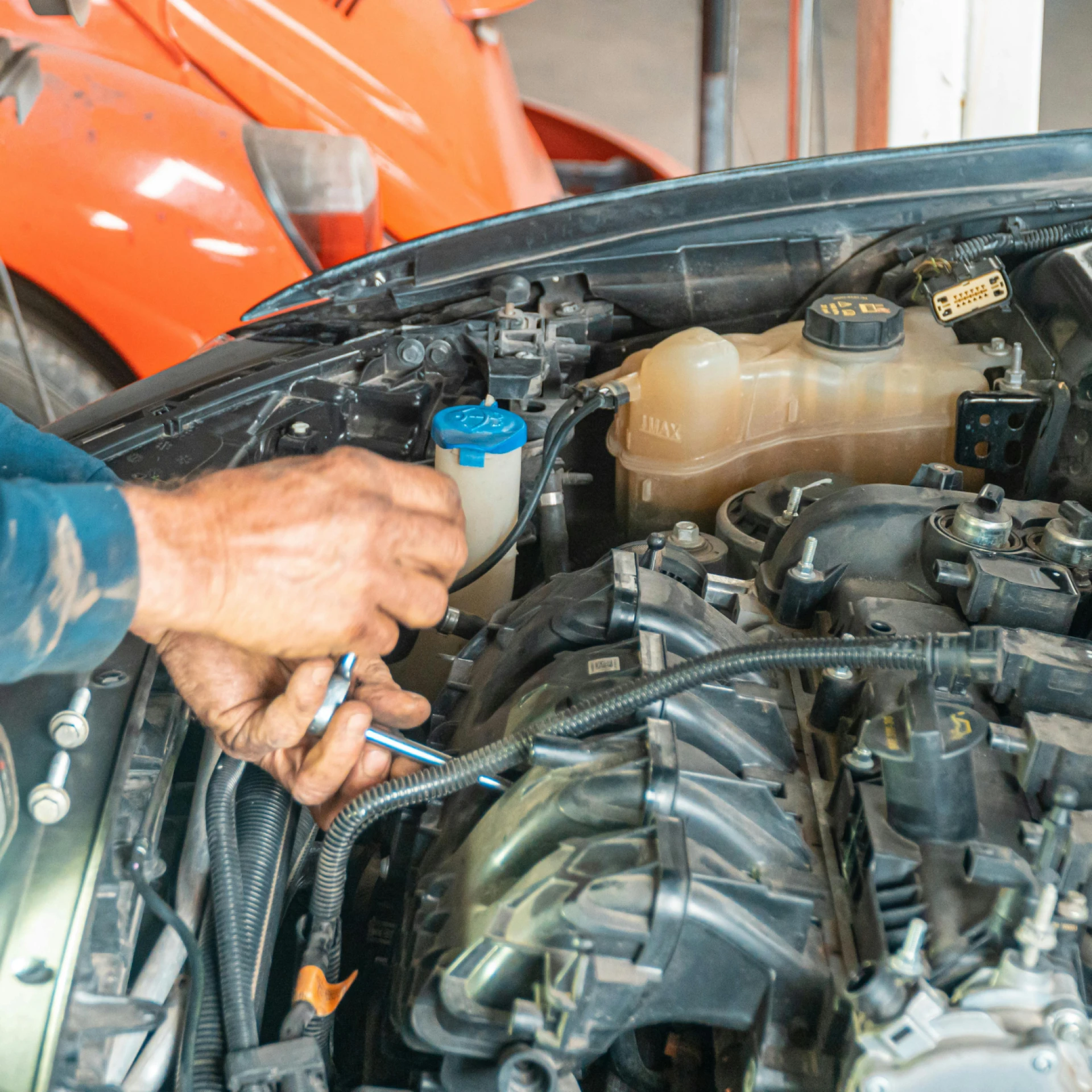
The BMW B58 engine is a marvel of modern engineering, known for its smooth power delivery and reliability. But like any mechanical component, it’s not immune to wear and tear. One of the critical parts that can cause headaches if it fails is the water pump. A malfunctioning water pump can lead to overheating, engine damage, and costly repairs. Knowing how to spot the signs early can save you time, money, and stress.
Why the Water Pump Matters in the B58 Engine
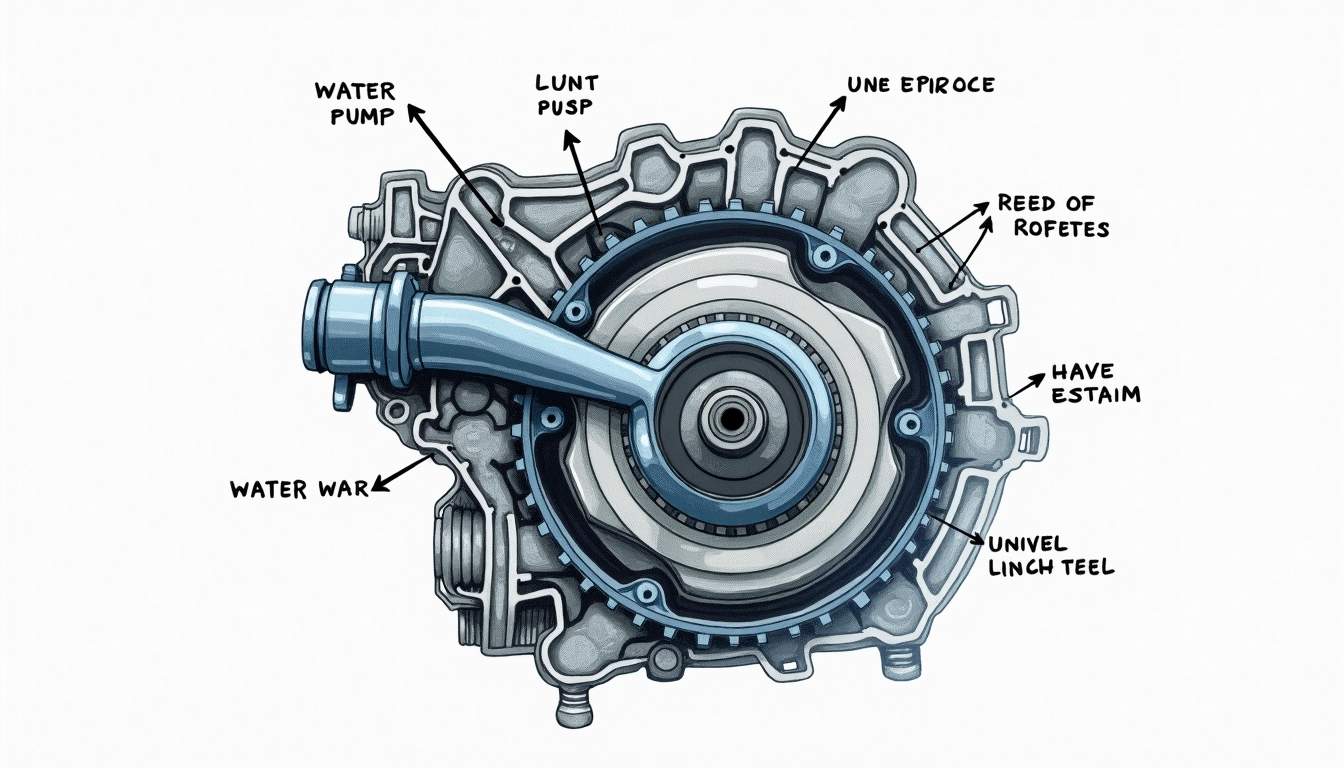
The water pump in the B58 engine circulates coolant through the engine block, cylinder head, and radiator. This circulation keeps the engine at an optimal temperature, preventing overheating. Unlike some older engines that use belt-driven water pumps, the B58 uses an electric water pump, which adds complexity but improves efficiency and control.
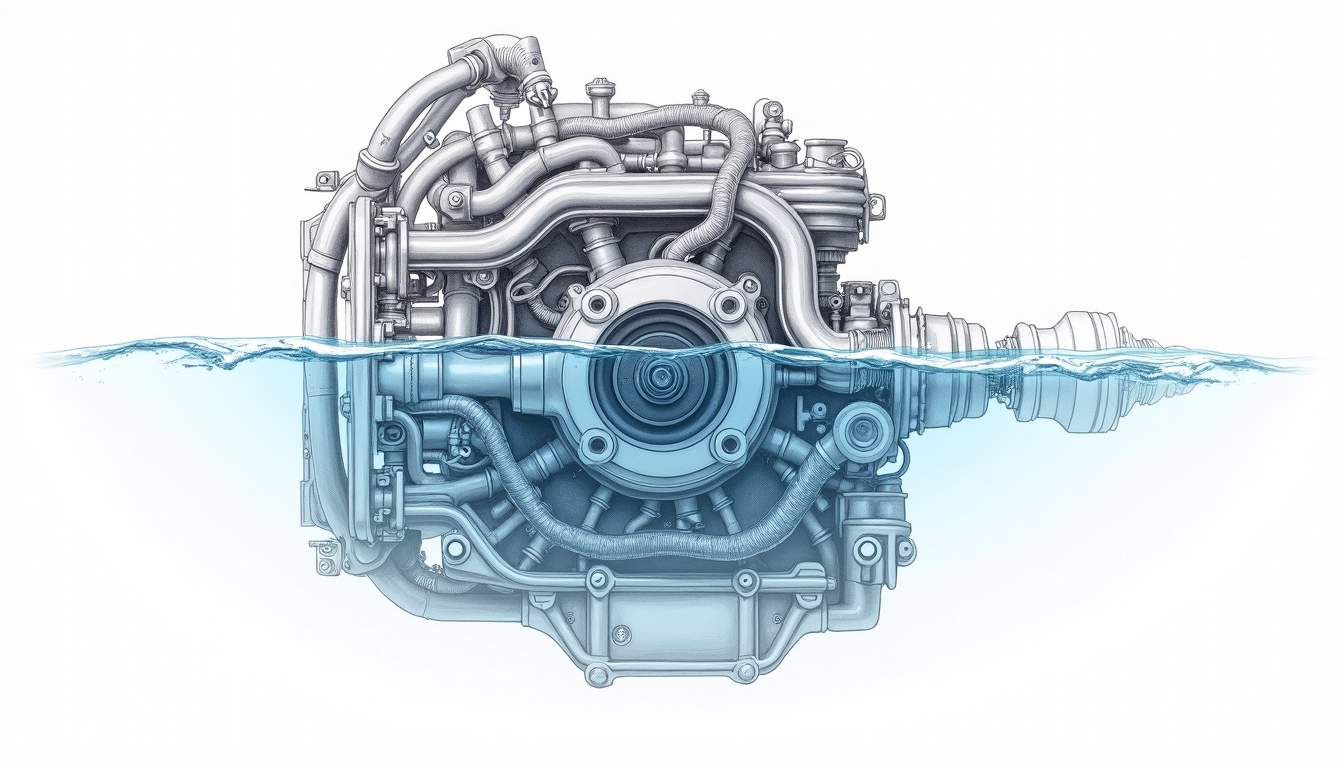
Because the water pump is electric, it’s controlled by the engine management system and can vary its speed depending on cooling needs. This means a failing pump might not always make loud noises or obvious leaks, making it trickier to detect. Still, there are clear symptoms when the pump is on its way out.
One of the key advantages of the electric water pump is its ability to respond dynamically to the engine's temperature fluctuations. This responsiveness allows for better fuel efficiency, as the pump can operate at lower speeds during light load conditions, reducing parasitic losses. Additionally, the electric design eliminates the need for a mechanical connection to the engine, which not only simplifies the overall architecture but also reduces the weight of the engine assembly. This is particularly beneficial in performance applications where every pound counts. For drivers looking to upgrade, the b58 water pump from Torrance Motors is an excellent choice for enhanced performance and reliability.
Moreover, the B58's water pump plays a crucial role in the overall longevity of the engine. By maintaining optimal temperatures, it helps prevent thermal stress that can lead to premature wear or catastrophic failures. Regular maintenance, including monitoring the pump's performance and coolant levels, is essential for ensuring that the engine operates smoothly. Enthusiasts and owners should be aware of the potential indicators of a failing pump, such as fluctuating temperature readings or erratic engine behavior, as addressing these issues early can save significant time and expense in the long run.
Common Signs of a Failing Water Pump in the B58
1. Engine Overheating or Temperature Fluctuations
One of the most obvious signs of a water pump problem is the engine temperature rising above normal levels. If you notice the temperature gauge creeping into the red zone or fluctuating wildly, it could be a sign the pump isn’t circulating coolant properly.
Because the B58’s electric pump varies its speed, sometimes the temperature might spike suddenly and then return to normal, which can be confusing. Don’t ignore these fluctuations - they often precede a full pump failure. Prolonged overheating can lead to severe engine damage, including warped cylinder heads or blown gaskets, which can be costly to repair. Regular monitoring of your engine temperature, especially during long drives or in hot weather, is crucial to catch these issues early.
2. Coolant Leaks Around the Water Pump Area
Even though the electric water pump is sealed, the seals and gaskets can wear out over time. Look for coolant puddles or wet spots around the front of the engine where the pump is located. Coolant is usually a bright green or blue color, making leaks easier to spot.
Keep in mind that leaks might be slow and only noticeable after the car has been parked for a while. If you spot a leak, it’s a good idea to have the pump inspected immediately. Additionally, be aware that coolant leaks can lead to a drop in coolant levels, which can exacerbate overheating issues. Regularly checking your coolant reservoir and maintaining the proper fluid levels can help prevent overheating and ensure your engine runs smoothly.
3. Strange Noises Coming from the Engine Bay
While electric pumps are generally quieter than mechanical ones, a failing pump can produce unusual sounds. Listen for whining, grinding, or rattling noises coming from the front of the engine. These noises often indicate worn bearings or internal damage within the pump.
It’s important not to confuse these sounds with other engine noises. If you’re unsure, a mechanic can help pinpoint the source. Ignoring these sounds can lead to a complete pump failure, which may leave you stranded or cause further damage to your engine. Regular maintenance checks can help catch these issues early, allowing for repairs before they escalate into more significant problems.
4. Warning Lights on the Dashboard
The B58’s engine management system is quite advanced and will often alert you if there’s a cooling system issue. Keep an eye out for the check engine light or a specific coolant temperature warning light. These alerts should never be ignored.
Sometimes the warning might be intermittent, especially if the pump is failing but hasn’t completely stopped working yet. Early diagnostics can prevent bigger problems. Additionally, if you notice multiple warning lights illuminating simultaneously, it may indicate a broader electrical issue that could be affecting the water pump's functionality. Regularly scanning your vehicle's onboard diagnostics can help you stay ahead of potential issues and ensure your car remains in optimal condition.
How to Diagnose a Failing Water Pump in Your BMW B58
Visual Inspection
Start by popping the hood and looking around the water pump area. The pump is typically located near the front of the engine, attached to the timing chain cover. Look for any signs of coolant leakage, corrosion, or buildup around the pump housing.
Also, check the coolant reservoir for low levels or discoloration. Low coolant can be a sign of a leak somewhere in the system, including the water pump.
Listen Carefully
With the engine running, listen closely near the water pump. You might need to use a mechanic’s stethoscope or a long screwdriver to amplify the sounds. Place it against the pump housing and listen for any abnormal noises like grinding or whining.
Remember, electric pumps don’t always make noise when failing, but if you hear something unusual, it’s a strong indicator of trouble.
Use a Diagnostic Scanner
Modern BMWs, including those with the B58 engine, can provide detailed trouble codes through an OBD-II scanner. Plugging in a scanner can reveal error codes related to coolant temperature sensors, pump operation, or other cooling system components.
Some advanced scanners can even monitor the electric water pump’s operation in real time, showing if the pump is running at the correct speed or if it’s intermittently failing.
Check for Overheating Under Load
Take the car for a drive and pay attention to the temperature gauge, especially during highway driving or uphill climbs. If the engine temperature rises quickly or spikes under load, it’s a sign the water pump isn’t circulating coolant efficiently.
Be cautious-if the temperature climbs too high, pull over immediately to avoid engine damage.
Why Water Pump Failure Happens in the B58 Engine
Wear and Tear on Seals and Bearings
Over time, the seals inside the water pump can degrade, especially due to heat cycling and coolant chemistry. Once the seals start leaking, coolant can escape, and contaminants can enter the pump, causing bearing wear.
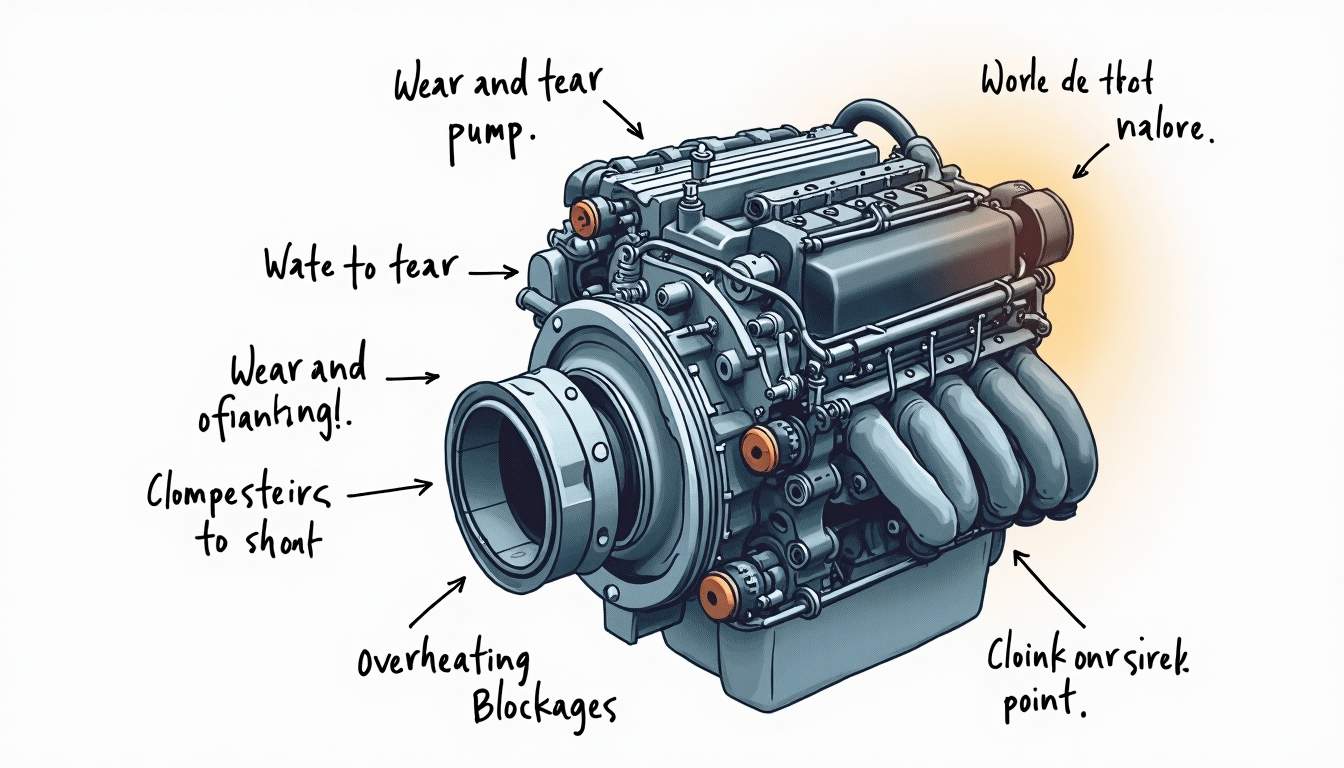
Worn bearings lead to noise and eventual pump failure. Since the B58’s pump is electric and sealed, these issues tend to develop gradually but worsen if left unchecked.
Coolant Quality and Maintenance
Using the wrong type of coolant or failing to maintain proper coolant levels can accelerate water pump wear. BMW specifies certain coolant formulations for the B58 engine to prevent corrosion and maintain seal integrity.
Neglecting coolant changes or mixing incompatible coolants can cause deposits and corrosion inside the pump, leading to premature failure.
Electrical Issues
The electric water pump relies on a motor and control electronics. Problems with wiring, connectors, or the pump’s internal motor can cause it to malfunction. Electrical faults might cause the pump to run intermittently or not at all.
Diagnosing electrical issues often requires specialized tools and knowledge, so professional help is recommended if you suspect this problem.
What to Do If You Suspect a Failing Water Pump
Don’t Ignore the Symptoms
Ignoring signs of a failing water pump can lead to catastrophic engine damage. Overheating can warp cylinder heads, damage gaskets, and even crack the engine block. Repairing these issues is far more expensive than replacing a water pump.
If you notice any symptoms like overheating, coolant leaks, or strange noises, schedule an inspection as soon as possible.
Consider Replacing the Water Pump and Thermostat Together
When replacing the water pump on a B58 engine, it’s a good idea to replace the thermostat at the same time. Both components work closely together to regulate engine temperature, and the cost of labor makes it efficient to do both simultaneously.
Using genuine BMW parts or high-quality aftermarket components ensures reliability and longevity.
Professional Diagnosis and Repair
While some enthusiasts might attempt DIY repairs, the B58’s electric water pump system is complex. Professional mechanics have the tools and expertise to diagnose electrical faults, properly bleed the cooling system, and program the new pump if necessary.
Getting the job done right the first time prevents recurring problems and protects your engine.
Preventing Water Pump Issues in the BMW B58
Regular Coolant Maintenance
Stick to BMW’s recommended coolant change intervals and use the specified coolant type. Regularly check coolant levels and top off as needed. Clean, fresh coolant helps protect the water pump seals and internal components.
Keep an Eye on Engine Temperature
Don’t ignore your temperature gauge or warning lights. Early detection of cooling system issues allows for timely repairs before major damage occurs.
Routine Inspections
During oil changes or routine maintenance, ask your mechanic to inspect the water pump area for leaks or signs of wear. Catching issues early can prevent breakdowns and expensive repairs.
Summary
The electric water pump in the BMW B58 engine is a vital component that keeps your engine running cool and efficiently. Spotting a failing water pump early requires attention to subtle signs like temperature fluctuations, coolant leaks, unusual noises, and dashboard warnings.
Regular maintenance, proper coolant use, and professional diagnosis are key to avoiding costly engine damage. If you suspect your water pump is failing, don’t wait. Addressing the problem quickly will keep your BMW running smoothly for miles to come.






























Sign in to leave a comment.