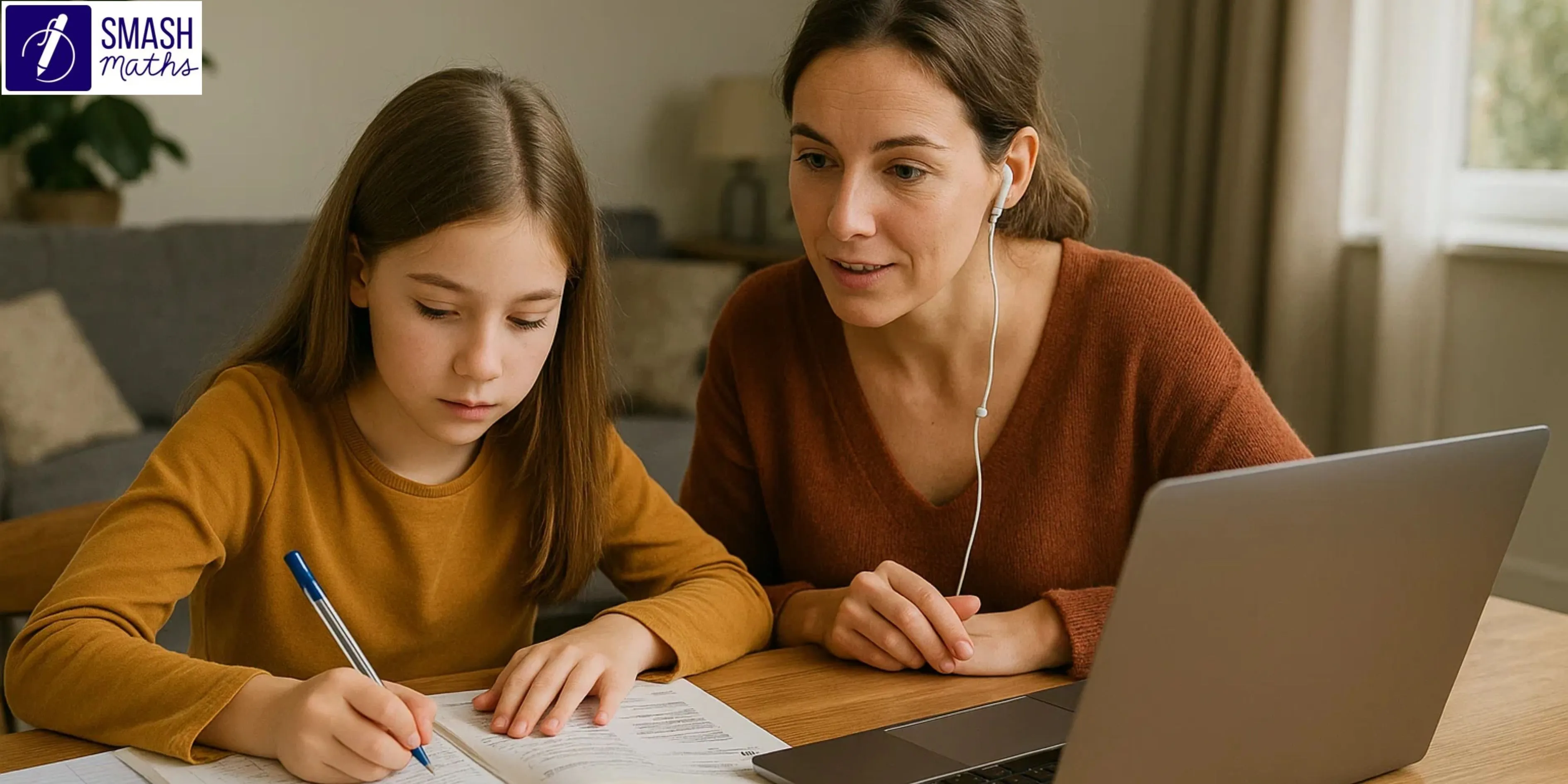

If your child is in Year 6, chances are SATs have already started to feel real. And a bit stressful. You’re not imagining it either — according to the UK Department for Education, only 59% of pupils reached the expected standard in reading, writing and maths combined in 2023. That’s a lot of children finding it tough. This is exactly why many families are turning to year 6 maths sats revision online early — not just to improve scores, but to build confidence before the pressure kicks in.
Let’s break it down in a way that actually makes sense.
What actually helps children go from struggling to confident?
Short answer?
No more worksheets.
No longer study hours.
It’s about how they revise, not how much.
Good revision helps children:
- understand what they’re doing
- practise without panic
- recognise question patterns
- build confidence step by step
And confidence is the part most people overlook.
Why do children struggle with SATs maths in the first place?
It’s rarely because they “can’t do maths”.
Usually, it’s one (or more) of these:
- weak basics (like fractions or times tables)
- rushing through questions
- not understanding word problems
- losing confidence after mistakes
- exam pressure
Once confidence drops, everything feels harder.
Even simple questions.
The hidden problem: panic, not ability
Here’s something most parents notice but can’t quite explain.
At home, their child gets answers right.
In a test, they suddenly don’t.
Why?
Because of pressure.
It’s like forgetting something simple when someone’s watching you.
That’s why revision needs to include practice under calm conditions first.
A smarter way to revise
This is where structured revision makes a difference.
At Smashmaths, the focus isn’t on cramming.
It’s on building skills gradually using a spiral approach.
In simple terms:
- Topics are revisited regularly
- each time at a slightly higher level
- nothing is rushed
This helps knowledge stick.
And more importantly, it builds confidence.
What does effective SATs revision actually look like?
Let’s keep it simple.
Good revision includes:
- short sessions
- regular practice
- a mix of topics
- time to review mistakes
It should feel manageable.
Not overwhelming.
10 revision tips that actually work (and don’t feel like torture)
Let’s get into the practical side.
1. Start with the basics (even if it feels too easy)
Why is this important?
Because weak basics cause most mistakes later.
Focus on:
- times tables
- place value
- simple fractions
It might feel basic.
But it works.
2. Keep sessions short
Long revision sessions don’t help much.
Children lose focus quickly.
Instead:
- 20–30 minutes
- once or twice a day
That’s enough.
Consistency matters more than time.
3. Mix topics instead of sticking to one
It sounds strange, but mixing topics helps.
Why?
Because exams don’t group questions neatly.
A session might include:
- fractions
- word problems
- measurement
This helps children switch thinking quickly.
4. Practise word problems slowly
This is where many children struggle.
Not because of maths.
But because of reading and understanding.
Simple approach:
- Read the question twice
- underline key numbers
- solve step by step
Breaking it down removes panic.
5. Don’t ignore mistakes
Mistakes are useful.
Really.
Instead of skipping them:
- go back
- understand the error
- try again
That’s how improvement happens.
6. Build speed gradually
Timing matters in SATs.
But rushing too early makes things worse.
Start with:
- untimed practice
Then slowly add:
- time limits
- mini tests
Confidence first, speed second.
7. Use real-life examples
Maths feels easier when it connects to real life.
For example:
- money (shopping)
- time (daily routines)
- measurements (cooking)
It makes abstract ideas clearer.
8. Create a simple weekly plan
You don’t need anything complicated.
Here’s a realistic example:
| Day | Focus |
|---|---|
| Monday | basics practice |
| Wednesday | problem solving |
| Friday | mini test |
| Weekend | review mistakes |
That’s enough to see progress.
9. Track small wins
Children need to see progress.
Even small improvements matter.
You can:
- Tick completed topics
- track scores
- celebrate effort
Confidence builds slowly.
10. Keep things positive
This matters more than anything else.
If a child thinks:
“I’m bad at maths”
They stop trying.
Encourage effort.
Praise progress.
Keep it calm.
Online revision vs traditional revision
Here’s a simple comparison:
| Online Revision | Traditional Revision |
|---|---|
| interactive | paper-based |
| instant feedback | delayed feedback |
| flexible | fixed |
| engaging | can feel repetitive |
Online tools, especially structured ones like Smashmaths, often make revision feel less stressful.
What makes the spiral curriculum so effective?
Let’s explain this simply.
Instead of:
“Learn it once and move on”
The spiral method does this:
- learn a topic
- practise it
- Come back to it later,
- build on it
It’s like practising a sport.
You don’t master it in one session.
You improve over time.
That’s why it works so well for SATs preparation.
Real example: how confidence builds over time
Let’s say a child struggles with fractions.
At the start:
- They avoid it
- They guess answers
- They feel stuck
With structured revision:
Week 1: basic fractions
Week 3: adding fractions
Week 5: word problems
Week 8: timed practice
By the end, it feels familiar.
And confidence grows naturally.
FAQs
How much revision is enough for SATs?
Around 20–30 minutes daily is usually enough if it’s consistent and focused.
Should we start revision early?
Yes. Starting early reduces pressure and allows gradual improvement.
What if my child gets anxious?
Keep sessions short. Stay positive. Focus on progress, not perfection.
Is online revision really effective?
Yes — especially when it includes structured learning and feedback.
Key Takeaways
- Confidence matters as much as knowledge
- Short, regular sessions work best
- The basics need to be strong first
- Mistakes are part of learning
- Spiral revision helps knowledge stick
- Structured online support reduces stress
Final Thoughts
If your child is struggling with maths SATs, it’s easy to feel worried.
But here’s the truth.
Most children don’t need more pressure.
They need more support.
They need time to build confidence.
That’s what makes the difference.
At Smashmaths, the focus is simple:
Help children feel comfortable with maths again.
Because once that happens, results usually follow.
And when a child walks into their SATs thinking
“I can do this”
That’s when everything changes.



























Sign in to leave a comment.