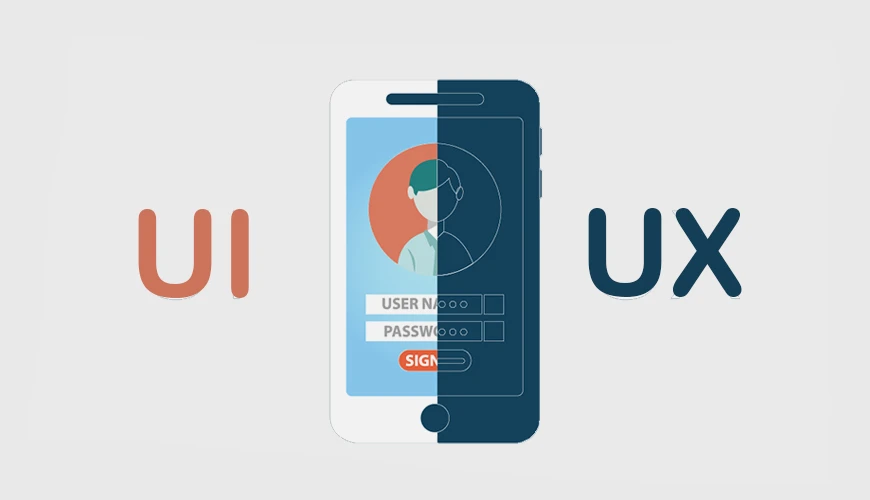

In the digital world, first impressions are everything. A user visiting your website or app forms an opinion within seconds, and that opinion often determines whether they stay, explore, or leave. This is where the power of UI/UX design comes into play. Transforming simple wireframes into engaging, high-performing digital experiences is not just about aesthetics, it’s about driving real business results, especially conversions.
From sign-ups and purchases to clicks and engagement, great design directly influences user behavior. Let’s explore how thoughtful UI/UX design turns basic structures into compelling experiences that convert.
Understanding the Journey: From Wireframes to Final Product
Wireframes are the blueprint of any digital product. They outline structure, layout, and functionality without focusing on visual design. While wireframes are essential for planning, they are only the beginning.
The real magic happens when these skeletal frameworks evolve into fully interactive, visually appealing, and user-friendly interfaces. This transformation involves multiple layers, user research, visual design, interaction design, and usability testing, all working together to create a seamless experience.
Why UI/UX Design is Critical for Conversions
Conversions don’t happen by chance. They are the result of intentional design decisions that guide users toward desired actions.
1. First Impressions Influence Trust
A clean, modern, and professional interface builds instant credibility. Users are more likely to trust and engage with a platform that looks polished and easy to navigate.
Poor design, on the other hand, creates doubt and friction, leading users to abandon the experience altogether.
2. Intuitive Navigation Reduces Drop-Off
Users should never have to “figure out” how to use your product. Intuitive navigation ensures that users can find what they need quickly and effortlessly.
When users can move smoothly through your platform, they are more likely to complete desired actions—whether it’s making a purchase or filling out a form.
3. Visual Hierarchy Guides User Actions
Effective UI design uses visual hierarchy to direct attention. Elements like size, color, contrast, and spacing help prioritize content and guide users toward key actions.
For example, a well-designed call-to-action button stands out clearly, making it easy for users to take the next step.
4. Emotional Design Creates Connection
Great UX goes beyond usability, it creates emotional engagement. Thoughtful animations, micro-interactions, and personalized experiences make users feel connected to the product.
This emotional connection increases trust and encourages users to return, boosting long-term conversions.
Key Elements That Turn Wireframes into High-Converting Designs
User Research and Insights
Every successful design begins with understanding the user. Research helps identify user needs, pain points, and expectations.
These insights ensure that the final design is not only visually appealing but also highly functional and relevant.
Responsive and Mobile-First Design
With a significant portion of users accessing digital products via mobile devices, responsive design is essential.
A seamless experience across all screen sizes ensures that users can engage with your product anytime, anywhere, without frustration.
Clear and Compelling Call-to-Actions (CTAs)
CTAs are the driving force behind conversions. Their placement, design, and wording must be carefully crafted.
A strong CTA is visible, concise, and aligned with user intent.
Fast Loading and Performance Optimization
Even the best design can fail if performance is poor. Slow loading times lead to high bounce rates and lost opportunities.
Optimizing speed and performance is a critical part of the user experience.
Consistency in Design
Consistency across colors, typography, and layout creates a cohesive experience. It reduces cognitive load and helps users navigate the product with ease.
Consistency also reinforces brand identity, making the experience more memorable.
The Role of UX in Conversion Optimization
User Experience (UX) focuses on how users interact with a product, while User Interface (UI) deals with its visual aspects. Together, they create a powerful combination that drives conversions.
UX design ensures that the user journey is smooth, logical, and efficient. It removes obstacles and simplifies processes, making it easier for users to complete their goals.
For instance, simplifying a checkout process by reducing the number of steps can significantly increase conversion rates.
Data-Driven Design Decisions
Great design is not based on guesswork, it’s driven by data. Analytics, heatmaps, and user feedback provide valuable insights into user behavior.
By analyzing this data, designers can identify areas of improvement and make informed decisions that enhance conversions.
A/B testing is another powerful tool that allows teams to compare different design variations and determine what works best.
Accessibility and Inclusivity
A truly effective design caters to all users, including those with disabilities. Accessibility features such as readable fonts, proper contrast, and keyboard navigation ensure that everyone can interact with your product.
Inclusive design not only expands your audience but also enhances overall usability.
Bridging Business Goals and User Needs
One of the biggest challenges in design is balancing business objectives with user expectations. Great UI/UX design achieves this balance by aligning both.
When users find value and ease in a product, they are naturally more likely to convert. This alignment creates a win-win situation for both users and businesses.
Collaborating with a user experience design company can help organizations bridge this gap effectively by combining design expertise with strategic thinking.
Common Mistakes That Hurt Conversions
Even small design flaws can have a big impact on conversions. Here are some common mistakes to avoid:
- Overcomplicated layouts that confuse users
- Hidden or unclear CTAs
- Inconsistent design elements
- Ignoring mobile optimization
- Lack of user testing
Avoiding these pitfalls ensures that your design supports, rather than hinders, user actions.
The Future of UI/UX and Conversions
As technology evolves, so do user expectations. Emerging trends such as AI-driven personalization, voice interfaces, and immersive experiences are reshaping the way users interact with digital products.
However, the core principle remains the same, design should always prioritize the user.
Businesses that invest in high-quality UI/UX design will be better positioned to adapt to these changes and maintain strong conversion rates.
Conclusion
The journey from wireframes to a fully realized digital experience is where design truly proves its value. Great UI/UX design is not just about making things look good, it’s about creating meaningful interactions that drive results.
By focusing on user needs, simplifying journeys, and leveraging data-driven insights, businesses can transform their digital products into powerful conversion engines.
In an increasingly competitive digital landscape, investing in thoughtful and strategic UI/UX design is no longer optional, it’s essential for success.


























Sign in to leave a comment.