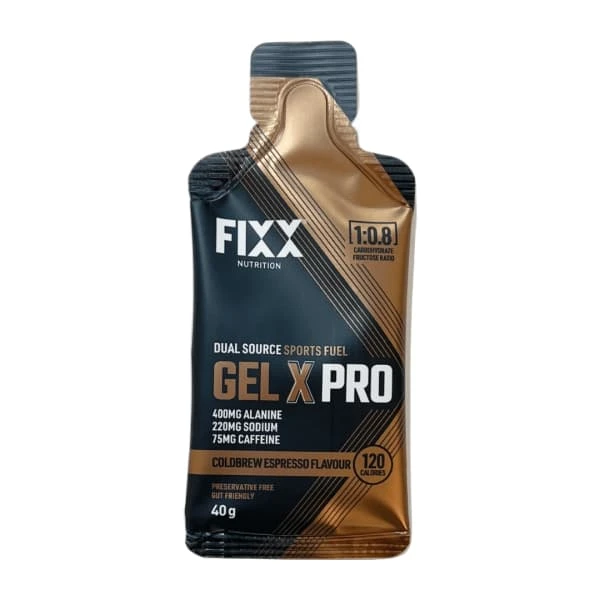

In the dynamic world of running, athletes are constantly on the lookout for ways to enhance their performance and endurance. Among the myriad of products available, sports gels for runners have emerged as a popular choice, offering a quick and convenient source of energy during training sessions and races. These gels are not merely snacks; they are scientifically formulated to provide the necessary carbohydrates and electrolytes that keep runners fueled and hydrated. Understanding the benefits, types, and proper usage of these gels can empower runners to make informed choices that ultimately lead to improved performance.
The Science Behind Sports Gels: Why They Matter
At the heart of every effective sports gel lies a carefully crafted composition designed to optimize athletic performance. During prolonged physical activity, the body relies heavily on glycogen stores for energy. As these stores deplete, runners often experience fatigue and a decrease in performance, commonly referred to as "hitting the wall." This is where sports gels for runners come into play.
These gels typically contain a high concentration of carbohydrates, which are crucial for replenishing glycogen levels quickly. The fast-acting sugars in the gels are easily absorbed by the body, providing an immediate source of energy. Additionally, many gels are fortified with electrolytes, such as sodium and potassium, which help maintain hydration and prevent muscle cramps during intense physical exertion. This combination of carbohydrates and electrolytes makes sports gels an essential tool for runners aiming to sustain energy levels throughout their workouts.
Types of Sports Gels: Finding the Right Fit
When it comes to sports gels for runners, variety is key. Not all gels are created equal, and understanding the different types available can help runners choose the right product for their needs. Most gels fall into several categories based on their composition and intended use.
- Carbohydrate-Rich Gels: These gels are primarily designed to provide a quick energy boost through high concentrations of simple sugars. They are ideal for short races and high-intensity training sessions where immediate energy is needed.
- Electrolyte-Enriched Gels: These gels not only provide carbohydrates but also include essential electrolytes. They are particularly beneficial for long-distance runners who need to replenish lost salts due to sweating.
- Caffeinated Gels: For runners looking to enhance their focus and endurance, caffeinated gels offer a dual benefit. The added caffeine can enhance alertness and reduce perceived effort, making them a popular choice for competitive events.
- Natural Gels: With the rise of health-conscious consumers, natural sports gels made from organic ingredients have gained popularity. These gels often avoid artificial flavors and colors, appealing to those who prefer a more wholesome approach to fueling.
Each type of gel has its unique advantages, and runners may need to experiment to determine which works best for their individual needs and preferences.
How to Incorporate Sports Gels into Your Running Routine
Incorporating sports gels for runners into a training regimen requires careful planning. Timing and dosage play crucial roles in maximizing their effectiveness. Here are some guidelines to consider:
- Pre-Race Preparation: In the days leading up to a race, runners should focus on carbohydrate loading. This means consuming a diet rich in carbohydrates to maximize glycogen stores. While gels can be used during the race, starting with a full tank is essential.
- During the Run: A common strategy is to consume a gel about every 30 to 45 minutes during longer runs. This timing allows for a steady supply of energy, preventing fatigue. Runners should practice this during training sessions to find their ideal rhythm and ensure their stomach can handle the gels under exertion.
- Post-Run Recovery: While gels are primarily used during activity, they can also aid in recovery. Consuming a gel immediately after running, especially one with electrolytes, can help replenish lost nutrients and kickstart the recovery process.
- Hydration Considerations: It’s crucial for runners to drink water when consuming gels. The high concentration of sugars can lead to gastrointestinal discomfort if taken without adequate hydration. Establishing a routine that includes water intake alongside gel consumption will optimize performance and comfort.
Common Questions About Sports Gels
As runners become more familiar with sports gels for runners, they often have questions about their usage and effectiveness. Addressing these common inquiries can help demystify the process and encourage more athletes to integrate gels into their routines.
Are Sports Gels Safe for Everyone?
While most runners can safely use sports gels, it is essential to consider individual tolerance levels. Some individuals may experience gastrointestinal discomfort with certain gels, especially those high in sugar. It’s advisable for runners to experiment with different brands and formulations during training to identify what works best for their bodies.
How Do I Choose the Right Gel?
Choosing the right gel often comes down to personal preference. Runners should consider factors such as flavor, texture, and any dietary restrictions. Trying a variety of gels in training can help determine which ones are most enjoyable and effective for performance.
Can I Use Sports Gels for Other Sports?
Absolutely! While sports gels for runners are specifically marketed towards runners, they can also be beneficial for other endurance sports such as cycling, triathlons, and even hiking. Any activity that requires sustained energy output can benefit from the quick energy provided by sports gels.
Potential Drawbacks and Considerations
While sports gels offer numerous benefits, they are not without potential drawbacks. Some runners may find that the high sugar content can lead to a quick energy spike followed by a crash, especially if not paired with adequate hydration. Additionally, the flavors and textures of certain gels may not appeal to everyone, making it crucial for athletes to experiment and find options that work for them.
Moreover, reliance solely on gels without a balanced diet can lead to nutritional deficiencies. Runners should aim to incorporate a variety of foods into their diet, ensuring they receive the necessary nutrients to support their training and recovery.
Conclusion: Optimize Your Performance with Pure Running
In the ever-evolving landscape of athletic performance, sports gels for runners represent a vital tool for those seeking to maximize their endurance and energy levels. With their scientifically formulated compositions, these gels provide quick, accessible fuel that can make a significant difference during long runs and races. By understanding the different types available and how to effectively integrate them into a training regimen, runners can enhance their performance and tackle their goals with confidence.
For those looking to explore the diverse range of sports gels available and discover the perfect fit for their running needs, Pure Running offers a comprehensive selection designed to support every athlete's journey. By embracing the benefits of sports gels, runners can elevate their performance and enjoy the pursuit of their passion even more.





























Sign in to leave a comment.