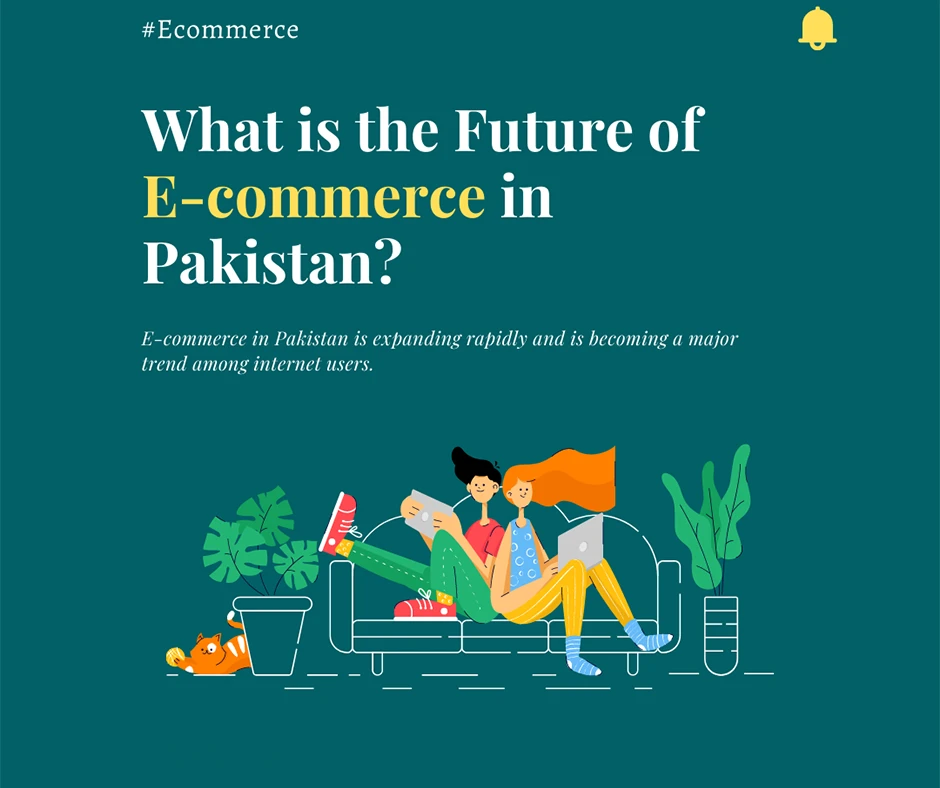
The future of e-commerce in Pakistan is highly promising, driven by a combination of factors that are reshaping the landscape. Here are key trends and prospects:
1. Growth Drivers
- Increasing Internet Penetration: With over 129 million internet users (as of 2024), Pakistan's growing digital footprint supports e-commerce expansion.
- Smartphone Adoption: Affordable smartphones and cheaper mobile data plans are enabling greater access to online shopping platforms.
- Young Population: Over 60% of the population is under 30, representing a tech-savvy demographic that favors digital solutions.
- Payment Infrastructure Development: The rise of digital wallets, mobile banking, and platforms like JazzCash and Easypaisa is reducing reliance on cash-on-delivery (COD).
- Government Initiatives: The National E-Commerce Policy aims to boost the sector by promoting exports, reducing regulatory barriers, and improving logistics.
2. Emerging Trends
- Social Commerce: Platforms like Instagram, TikTok, and Facebook are becoming major marketplaces, particularly for small businesses and informal sellers.
- Logistics Advancements: Companies like TCS, Leopards Courier, and Bykea, along with new entrants, are focusing on last-mile delivery solutions.
- Cross-Border Trade: Services like PKShip are gaining traction as they simplify the process of shopping from international stores, especially the USA, and shipping goods to Pakistan, making global products more accessible to local consumers.
- Niche and Hyperlocal Platforms: E-commerce is expanding into niche areas like grocery delivery (GrocerApp, Foodpanda), pharmaceuticals (Dawaai), and fashion (Zellbury, Khaadi).
3. Challenges to Overcome
- Infrastructure Gaps: Reliable delivery services and warehousing facilities are still evolving, especially in rural areas.
- COD Dependency: Over 80% of transactions are COD, leading to cash flow challenges and returns.
- Trust and Consumer Awareness: Fraudulent sellers and quality inconsistencies create trust barriers for many buyers.
- Regulatory Issues: High import taxes, lack of uniform policies, and slow dispute resolution hinder growth.
4. Future Opportunities
- Expansion to Rural Areas: With urban e-commerce maturing, companies are eyeing untapped rural markets.
- Global Freelancing Integration: Linking e-commerce platforms with Pakistan’s burgeoning freelancing ecosystem can create synergies.
- AI and Personalization: Enhanced user experiences via AI-driven recommendations and targeted marketing will shape the future.
- Blockchain and Fintech: Improved transparency and reduced fraud through blockchain can revolutionize trust in e-commerce.
- Subscription-Based Models: Innovative services like subscription boxes and loyalty programs are gaining traction.
5. Key Takeaways
- Pakistan’s e-commerce industry is expected to grow from $7.9 billion in 2022 to potentially $12 billion by 2025.
- Diversification into B2B e-commerce, personalized retail experiences, and better integration with global trade channels will define success.
- Collaboration between public and private sectors is essential for overcoming challenges and ensuring sustainable growth.
Would you like insights on a specific segment of e-commerce or guidance on launching a business in this domain?


























Sign in to leave a comment.