Introduction
Electronic Data Interchange (EDI) is no longer just a technical system used by large enterprises. In 2026, it has become a core part of how businesses in India communicate, transact, and grow. From retail and logistics to healthcare and banking, EDI is helping companies move away from manual work and shift toward faster, more reliable digital operations.
India’s digital economy is expanding quickly. With GST compliance, e-invoicing, rising eCommerce demand, and global trade connections, businesses are under pressure to improve speed, accuracy, and efficiency. This is where EDI services play a key role.
In this detailed guide, we will explore the future of EDI services in India, the latest trends shaping the market, emerging players, challenges, and how businesses can prepare for 2026 and beyond.
Understanding EDI in Simple Terms
EDI (Electronic Data Interchange) is a system that allows businesses to exchange documents electronically in a structured format. Instead of sending paper documents or emails, companies can share data directly between systems.
Common EDI Documents
- Purchase Orders (PO)
- Invoices
- Shipping Notices (ASN)
- Payment Details
- Inventory Updates
The Problem with Traditional Methods
Many businesses still depend on:
- Manual data entry
- Email attachments
- Paper-based workflows
This creates:
- Human errors
- Delays in communication
- Increased operational cost
- Lack of real-time visibility
The Role of EDI
EDI solves these problems by:
- Automating data exchange
- Reducing manual effort
- Improving accuracy
- Speeding up transactions
In 2026, EDI is not just about replacing paper—it is about building a connected and intelligent business ecosystem.
Why EDI is Growing Fast in India
India is becoming a strong digital economy, and several factors are driving the growth of EDI services:
1. GST and E-Invoicing Compliance
Government regulations require businesses to maintain digital records and standardized invoices. EDI helps automate compliance and reporting.
2. Growth of eCommerce
Online businesses need fast order processing, real-time inventory, and smooth logistics. EDI enables seamless coordination between sellers, warehouses, and delivery partners.
3. Global Trade Expansion
Indian companies are increasingly working with international clients who require standardized EDI formats.
4. Supply Chain Digitization
Companies want better visibility into their supply chain. EDI helps track orders, shipments, and inventory in real time.
5. Rise of SMEs Going Digital
Small and medium businesses are adopting affordable cloud-based EDI solutions to compete with larger players.
Future of EDI Services in India (2026 Outlook)
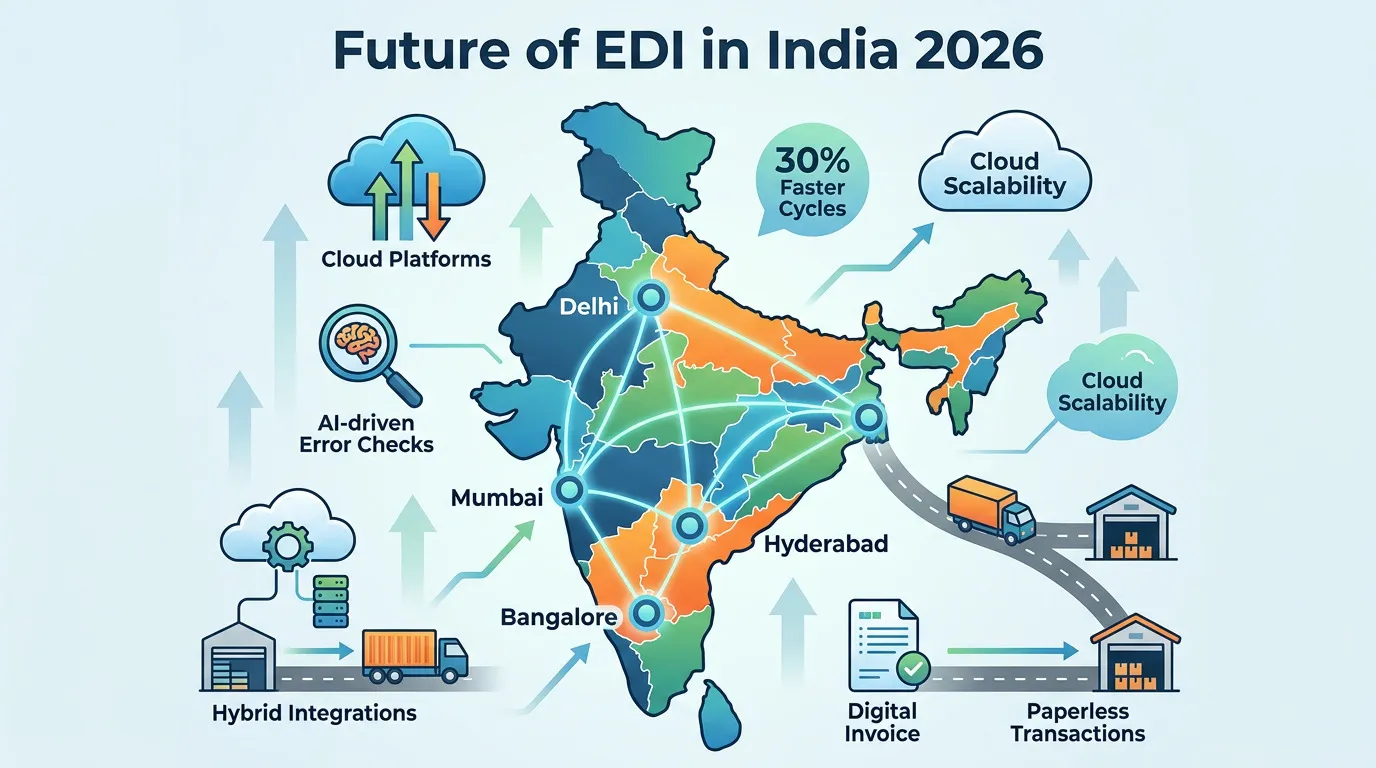
By 2026, EDI in India will move beyond basic automation and become a smart, integrated, and scalable system.
What Will Change?
- EDI will be cloud-first
- Integration with APIs will become standard
- Real-time data exchange will replace batch processing
- Automation will reduce manual intervention
- Industry-specific EDI solutions will grow
EDI will act as a bridge between different systems like ERP, CRM, warehouse management, and logistics platforms.
Key Trends Shaping EDI Services in 2026
1. Cloud-Based EDI Adoption
Traditional EDI systems required heavy investment in hardware and maintenance. Cloud-based EDI is now becoming the preferred choice.
Key Benefits:
- Lower upfront cost
- Easy scalability
- Quick deployment
- Access from anywhere
For Indian SMEs, this is a major opportunity to adopt EDI without large investments.
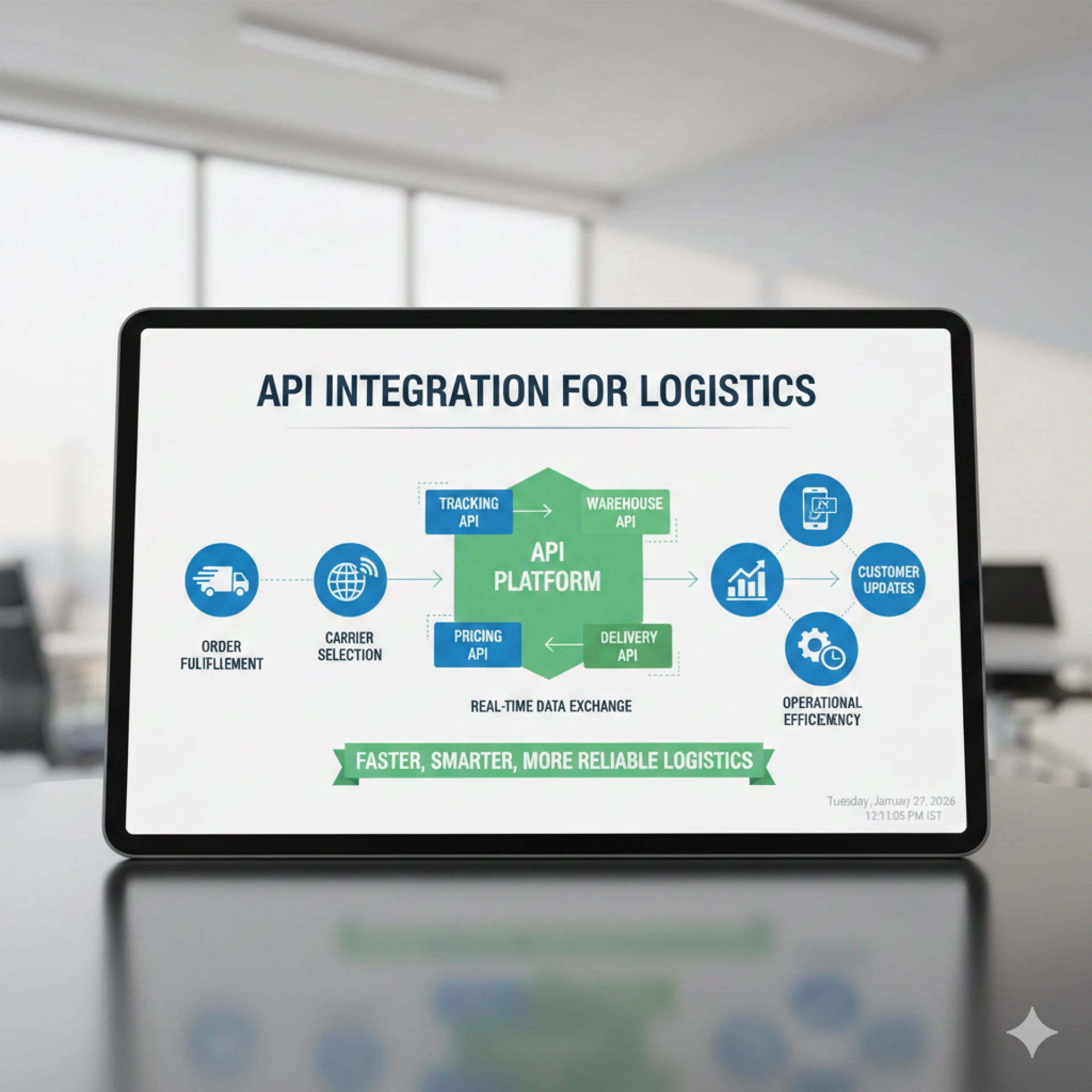
2. API and EDI Integration
In 2026, businesses are not choosing between EDI and APIs—they are using both.
How it Works:
- EDI handles structured and standardized transactions
- APIs enable real-time communication
Example:
- API updates inventory instantly
- EDI sends bulk order data securely
This combination improves speed, flexibility, and reliability.
3. Real-Time Data Exchange
Businesses today need instant updates. Waiting hours or days for data is no longer acceptable.
EDI Evolution:
- From batch processing → to real-time processing
- From delayed updates → to instant insights
Use Cases:
- Live shipment tracking
- Real-time order status
- Instant inventory updates
4. Automation and Smart Processing
EDI platforms are becoming more intelligent.
New Capabilities:
- Automatic data validation
- Error detection and correction
- Workflow automation
- Reduced manual intervention
This improves productivity and reduces operational risks.
5. EDI for Small and Medium Businesses
Earlier, EDI was mostly used by large corporations. Now, SMEs are adopting it rapidly.
Why SMEs are Adopting EDI:
- Affordable subscription pricing
- Simple setup
- Easy integration with existing tools
This trend will significantly expand the EDI market in India.
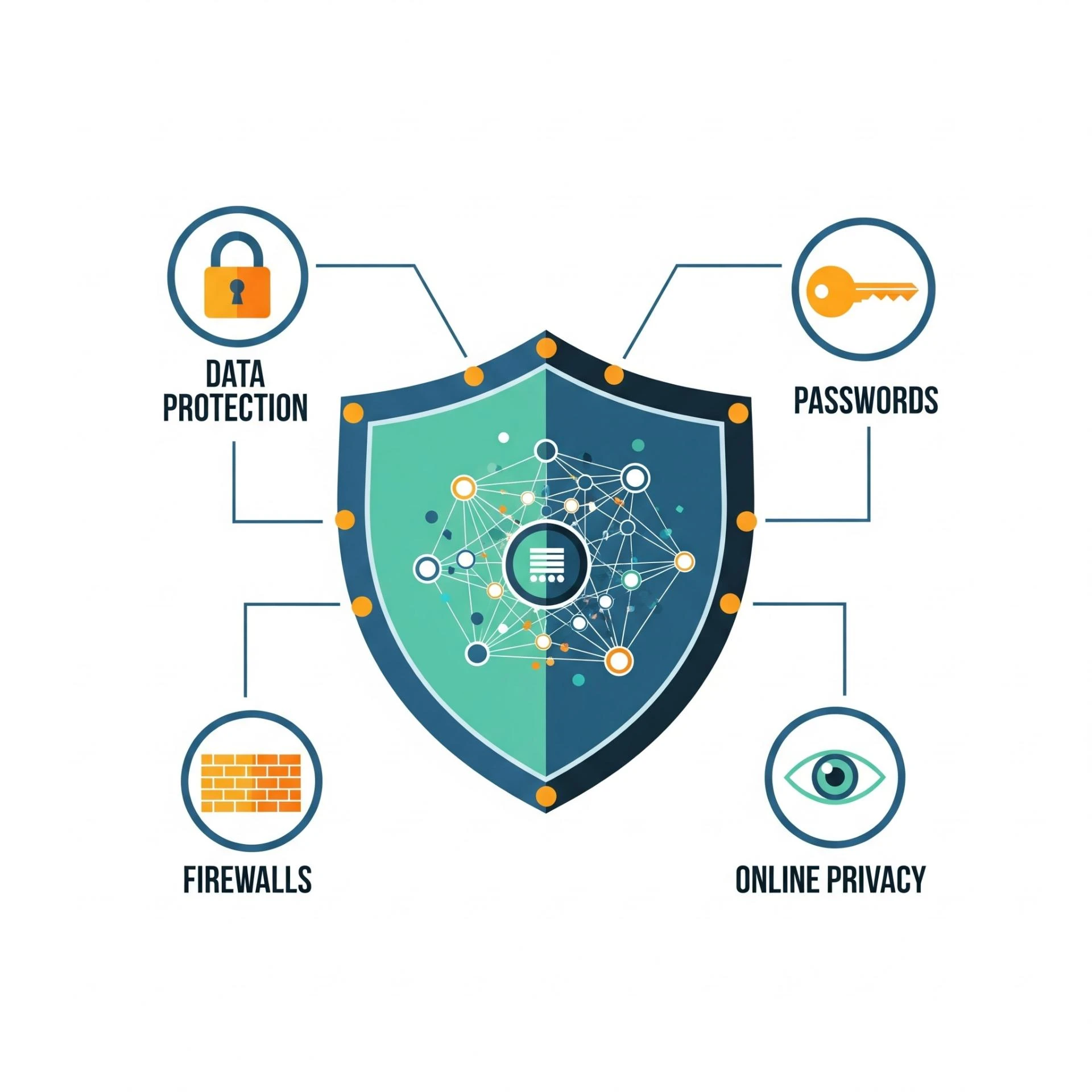
6. Strong Focus on Data Security and Compliance
Data security is critical in industries like healthcare, finance, and logistics.
Modern EDI solutions offer:
- Secure communication protocols
- Data encryption
- Compliance with industry standards
As cyber threats increase, secure EDI systems will become essential.
7. Industry-Specific EDI Solutions
EDI providers are now offering customized solutions based on industry needs.
Examples:
Retail & eCommerce
- Order processing
- Inventory updates
- Supplier communication
Logistics & Supply Chain
- Shipment tracking
- Warehouse management
- Delivery updates
Healthcare
- Patient records
- Insurance claims
- Billing systems
Banking & Finance
- Transaction processing
- Payment data exchange
- Compliance reporting
Industry-focused solutions improve efficiency and reduce implementation time.
Emerging EDI Service Providers in India (2026)
The Indian EDI market is evolving with different types of players.
1. IT Service Companies Expanding into EDI
Many IT service providers are adding EDI to their offerings.
Services Include:
- EDI integration
- Managed EDI services
- System support
These companies focus on customized and affordable solutions.
2. Cloud-Based EDI Startups
Startups are bringing innovation and simplicity to EDI.
What Makes Them Different:
- User-friendly platforms
- Fast onboarding
- Subscription-based pricing
They are making EDI accessible for smaller businesses.
3. Global EDI Providers Entering India
International companies are expanding into India due to growing demand.
Advantages:
- Advanced technology
- Global compliance support
- Scalable infrastructure
They mainly target large enterprises and global businesses.
4. Niche Industry-Focused Providers
Some EDI providers specialize in specific industries like logistics or healthcare.
Benefits:
- Faster deployment
- Better customization
- Industry-specific expertise
Challenges in the Future of EDI
Despite strong growth, businesses may face some challenges:
1. Integration Complexity
Connecting EDI with ERP, CRM, and other systems can be complex.
2. Lack of Skilled Professionals
Many companies struggle to find trained EDI experts.
3. Cost Concerns for SMEs
Even with cloud solutions, some businesses hesitate due to budget limitations.
4. Data Standardization Issues
Different EDI formats can create compatibility issues between partners.
How Businesses Can Prepare for the Future of EDI
To stay competitive in 2026, businesses need a clear EDI strategy.
1. Shift to Cloud-Based EDI
Upgrade from legacy systems to flexible cloud platforms.
2. Focus on Integration
Ensure smooth connection between EDI and business systems like ERP and CRM.
3. Automate Workflows
Reduce manual work by using automation tools.
4. Choose the Right EDI Partner
Look for providers with:
- Industry experience
- Scalable solutions
- Strong support
5. Invest in Training
Build internal knowledge to manage EDI effectively.
Benefits of Modern EDI Systems
Businesses adopting future-ready EDI solutions will experience:
1. Faster Transactions
Orders, invoices, and payments are processed quickly.
2. Reduced Costs
Less manual work means lower operational expenses.
3. Better Accuracy
Automation reduces human errors.
4. Improved Supply Chain Visibility
Real-time tracking improves decision-making.
5. Enhanced Customer Experience
Faster service leads to better satisfaction.
Real-World Example (Simple Scenario)
Imagine an eCommerce business in India:
Without EDI:
- Orders processed manually
- Delays in shipping
- Errors in invoices
With EDI:
- Orders are automatically sent to suppliers
- Inventory updates in real time
- Shipping and billing are automated
This improves speed, accuracy, and customer satisfaction.
The Role of EDI in Digital Transformation
EDI is becoming a key part of digital transformation strategies.
It connects:
- Suppliers
- Manufacturers
- Distributors
- Customers
By doing this, it creates a smooth and efficient business ecosystem.
In 2026, companies that adopt EDI will:
- Operate faster
- Make better decisions
- Scale easily
Future Opportunities in the Indian EDI Market
The future of EDI in India offers many opportunities:
1. Growth in Tier-2 and Tier-3 Cities
More businesses in smaller cities are going digital.
2. Expansion in New Industries
Industries like education, insurance, and healthcare are adopting EDI.
3. Integration with New Technologies
EDI will work with:
- Cloud computing
- Data analytics
- Automation tools
4. Increased Demand for Managed EDI Services
Businesses prefer outsourcing EDI management to experts.
Conclusion
The future of EDI services in India in 2026 is strong, dynamic, and full of growth opportunities. As businesses continue to move toward digital operations, EDI will play a central role in improving efficiency, reducing costs, and enabling real-time communication.
With trends like cloud adoption, API integration, automation, and industry-specific solutions, EDI is becoming more accessible to businesses of all sizes.
Companies that adopt modern EDI systems early will gain a clear competitive advantage and be better prepared for the digital future.



























Sign in to leave a comment.