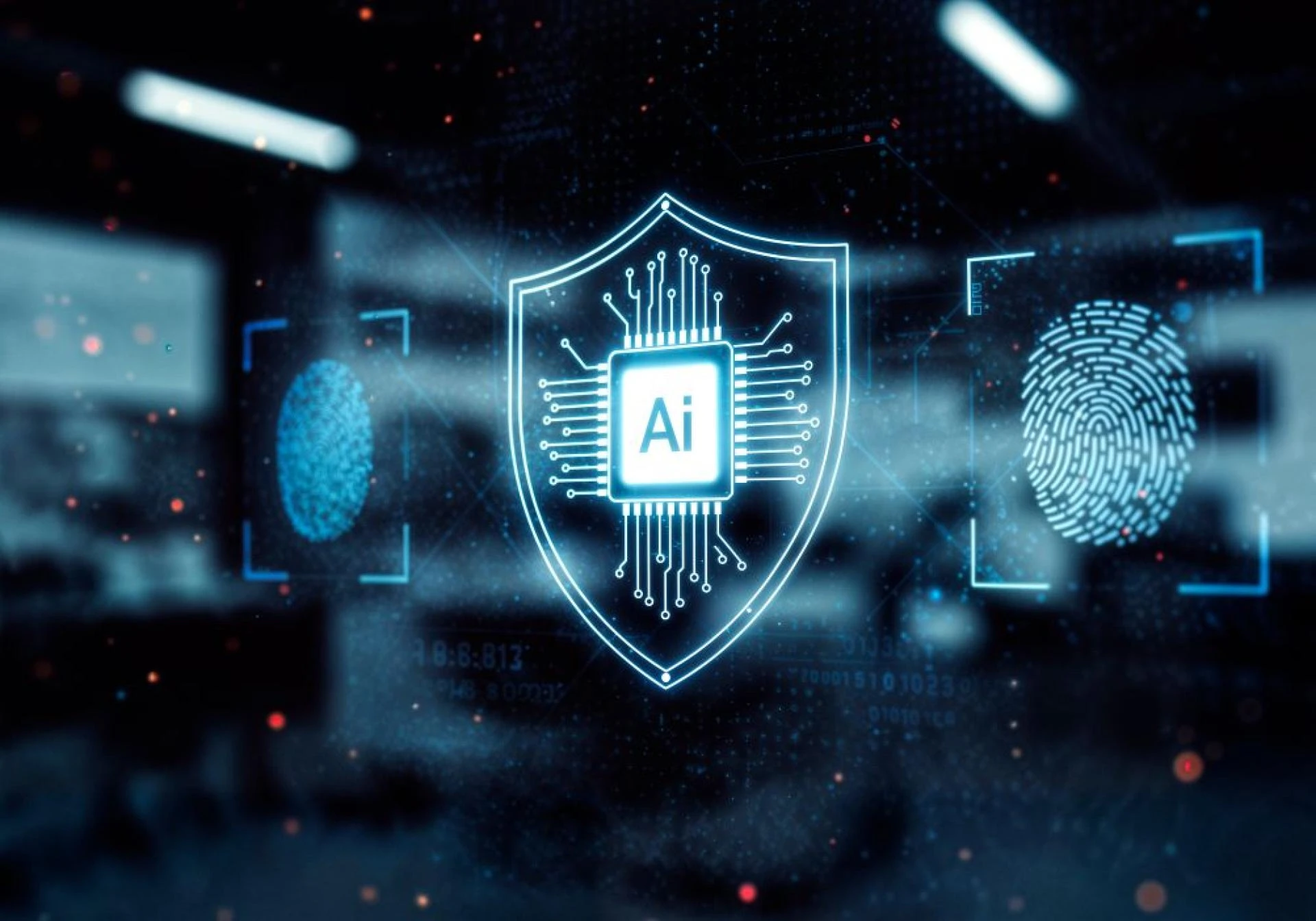

The New Era of Provisioning in Identity and Access Management
The world of cybersecurity is undergoing a rapid and intelligent evolution, with the core functions of Identity and Access Management (IAM) at the forefront. As organizations embrace the cloud, remote work, and a myriad of applications, the traditional, manual methods of provisioning are no longer sufficient. These legacy processes are slow, prone to human error, and create significant security vulnerabilities. The future of provisioning in identity and access management is not just about automation, but about infusing that automation with the power of artificial intelligence.
AI is transforming provisioning from a reactive, administrative task into a proactive, strategic security function. It moves beyond static rules and rigid role-based access controls to create a dynamic, context-aware system. By leveraging machine learning (ML) and behavioral analytics, AI-driven provisioning ensures that every user—human or machine—has the right access, at the right time, for the right reason. This shift is crucial for mitigating risks like "access sprawl," where users accumulate excessive and unnecessary permissions, which has become a primary target for cyber attackers.
AI IAM: The Predictive Engine of Security
The most significant development in the IAM automation future is the transition from a reactive model to a predictive one. This is the essence of AI IAM. Traditional systems grant access based on pre-defined rules, which can be rigid and outdated as an employee's role or responsibilities change. AI, however, introduces a new level of intelligence.
AI-driven systems can:
● Analyze User Behavior: AI continuously monitors user activity to establish a baseline of "normal" behavior. It can then instantly detect and flag anomalies, such as a user attempting to access a sensitive system at an unusual time or from an unfamiliar location.
● Recommend Access Privileges: When a new employee joins or an existing one changes roles, AI can analyze the access patterns of similar peers and recommend the most appropriate permissions. This drastically reduces the time to provision and enforces the principle of least privilege from the very beginning.
● Automate Access Reviews: AI can streamline the tedious process of user access reviews by automatically identifying and flagging dormant accounts or unnecessary privileges for removal, making the process faster and more effective.
● Predict Risk: By analyzing a vast array of contextual data, AI models can make real-time, risk-based access decisions. A high-risk login attempt, for example, could automatically trigger multi-factor authentication or block access entirely.
SafePaaS is a leader in this space, offering an intelligent governance platform that automates many of these functions to simplify access management and reduce financial risk. You can learn more about how they are shaping the future of IAM by visiting their website at SafePaaS.
The Road Ahead for IAM Automation
While the integration of AI into IAM promises to revolutionize security and efficiency, its adoption is not without challenges. One of the primary hurdles is the reliance on high-quality, unbiased data. If the data used to train the AI models is inaccurate or reflects existing biases, the system may perpetuate these issues. Additionally, integrating modern AI solutions with a company's legacy systems can be complex and resource-intensive. The need for "explainable AI," where the system can provide a clear rationale for its decisions, is also becoming a critical requirement, particularly for highly regulated industries.
Looking ahead, the IAM automation future points toward "autonomous identity," where identities are dynamic, context-aware, and self-governed. AI will be the engine of this transformation, not only securing digital assets but also creating a more seamless and frictionless experience for users. The ability to autonomously adapt to new threats and changes in user roles will be paramount.
Conclusion
The future of provisioning in identity and access management is undeniably intelligent. AI is not just another feature; it is the catalyst for a new generation of IAM solutions that can operate at the speed and scale required by the modern digital landscape. By automating and optimizing the provisioning lifecycle with predictive intelligence, organizations can finally close the gap between robust security and operational efficiency. This evolution promises to reduce human error, minimize risk, streamline operations, and build a security foundation that is resilient, adaptive, and prepared for the challenges of tomorrow.




























Sign in to leave a comment.