

For over two decades, the Sarbanes-Oxley Act (SOX) has been the gold standard for financial integrity, putting the responsibility of accurate reporting directly on corporate leadership. But for many IT and compliance professionals, managing SOX compliance for IT systems can feel like a reactive, manual, and often stressful battle.
You spend countless hours on spreadsheets, chase down scattered documents, and rely on periodic sampling to prove your controls are working. This traditional approach leaves you with dangerous blind spots and a continuous state of audit anxiety.
But what if you could automate the most tedious parts of SOX compliance while gaining, not losing, full, real-time oversight? This is the core promise of modern compliance automation.
The Problem with Manual SOX Compliance
Manual SOX IT controls are inherently prone to risk. The core issues are not a lack of effort but a lack of visibility:
- You're Always Behind: A manual audit is a snapshot in time. You only discover control failures and vulnerabilities after they’ve occurred, which is far too late.
- The Flaw of Sampling: Auditors often rely on sampling because manually testing every single transaction is impossible. But relying on a small sample means a high-risk error can easily slip through the cracks.
- The Documentation Nightmare: Gathering evidence for an audit can become a frantic, last-minute sprint. Disparate systems, unorganized files, and missing approvals turn a simple request into a major disruption.
These challenges don’t just create risk; they drain resources, burn out your team, and increase your overall cost of compliance.
The Solution: A Proactive, Automated Approach
Automation transforms SOX compliance for IT systems from a painful obligation into a streamlined, proactive process. The goal isn't just to check a box; it's to create a more resilient, secure, and transparent organization.
Here's how automation helps you solve the biggest challenges:
Continuous Monitoring: Instead of waiting for a quarterly review, an automated system monitors your IT controls 24/7. It provides real-time alerts the moment an issue occurs, allowing you to address it immediately and prevent it from escalating.
Automated Evidence Collection: An automated platform creates a tamper-proof, centralized audit trail for every single transaction. Every approval, every access change, and every system modification is automatically logged and ready for review. This transforms the dreaded audit from a stressful marathon into a simple click-of-a-button report.
Real-Time Risk Analysis: Automation platforms use rules-based logic to analyze data across your systems. They can instantly detect a high-risk event—like a Segregation of Duties (SoD) violation—and prevent it before it ever impacts your financial reporting.
Automating Without Losing Control
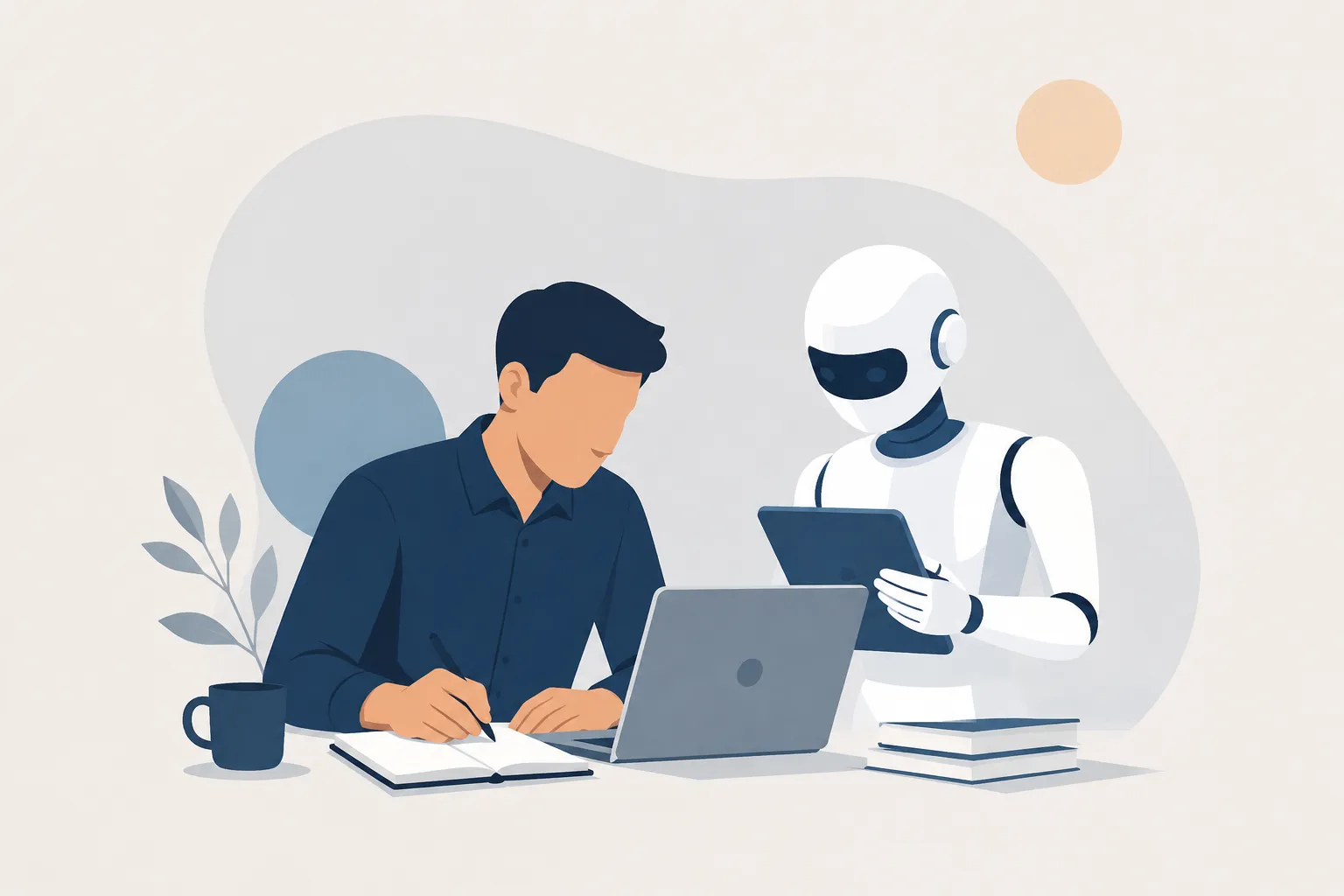
The biggest fear with automation is that you’ll lose a human's critical oversight. But with the right platform, the opposite is true. Automation doesn't replace your control; it empowers it.
A modern, platform provides a unified dashboard that gives you a complete, real-time view of your entire compliance program. You are no longer buried in spreadsheets; instead, you get clear, actionable insights at a glance. You can see the health of your controls across different systems, pinpoint vulnerabilities, and make informed decisions instantly.
This is where a platform like SafePaaS comes in. It's built to help you with SOX compliance by automating the monitoring of your key IT controls, including access management, change management, and Segregation of Duties. SafePaaS provides the real-time visibility and automated audit trails you need, ensuring you are always audit-ready.
By leveraging a solution that combines automation with intelligent oversight, you can finally move beyond a reactive compliance posture. You are no longer just meeting a requirement; you are proactively managing risk, strengthening your internal controls, and building a foundation of financial integrity that will earn the trust of investors and regulators alike.





























Sign in to leave a comment.