

Let me save you the trouble of reading another generic prediction piece.
No one cares about your scan data incentive program if the data arrives late or outdated. No one celebrates a loyalty program that credits points a week later. No brand partner will pay you for insights about what sold last month in fast-moving categories.
2026 is shifting the model.
Here is what is actually changing:
What Are Scan Data Incentive Programs?
A scan data incentive program is a system where retailers, wholesalers, or sometimes consumers are rewarded—through rebates, discounts, or other incentives—for scanning and sharing product-level data such as sales or inventory information. That data tells brands what moved off shelves, when it moved, and at what price.
The core concept is simple. You scan a receipt or a barcode. The system validates the transaction. Someone gets a reward. The brand gets proof that a promotion worked or that a new stock keeping unit (SKU) actually sold.
But here is what most explanations get wrong. A scan data program is not a loyalty program. Loyalty programs track who bought something. Loyalty programs track who bought something and can include purchase behavior over time, while scan data incentive programs track what got bought, often without knowing or caring who held the receipt.
That distinction matters because in 2026, the two are colliding. And that collision changes everything.
Why Scan Data Programs Are Evolving Rapidly
Three forces are pushing these programs to evolve faster than most retailers can keep up.
Increased demand for real-time insights
Waiting thirty days for scan data is like driving a car while looking in the rearview mirror. You only see what already happened. In 2026, brands want to know within hours, sometimes minutes, whether a display worked or a price cut flopped. Real-time scan data is turning reactive retail into proactive retail in leading implementations today.
Competitive retail landscape
Amazon does not wait. Walmart does not wait. And increasingly, neither do their brand partners. If your scan data program takes a week to process, the brand you are trying to impress will spend their incentive budget elsewhere. Speed is now a competitive weapon, not a technical nicety.
Rise of data-driven decision-making
Ten years ago, “data-driven” was a buzzword. Now it is survival. Retailers and brands that cannot close the loop between a scanned receipt and a business decision will lose shelf space, lose brand funding, and lose relevance.
Regulatory and compliance pressure
Here is the quiet trend no one talks about. Data privacy laws are getting tighter. The General Data Protection Regulation (GDPR) was just the beginning. California, India, Brazil: every major market now has rules about how you collect and share transaction data. Your scan data program must be compliant by design, not as an afterthought.
Key Trends in Scan Data Incentive Programs for 2026
Let me walk you through what actually changes next year.
Real-Time Data Sharing as Standard
Batch processing is increasingly being replaced in modern systems. If your scan data program still runs overnight jobs or weekly uploads, you are already behind. Real-time means the moment a receipt is scanned, the data is available to everyone who needs it. Brands see lift. Retailers see inventory movement. Incentives trigger faster than traditional reporting cycles.
Not faster. Near real-time in leading systems.
Growth of Personalized Incentives
Flat incentives are lazy. Five percent off everything? That is not a standard AI & analytics strategy. In 2026, personalized incentives use scan data to answer one question: what would make this specific customer or this specific store act differently?
The data tells you who buys premium coffee but switches to commodity when it is on sale. That shopper gets a different offer than the one who buys only the cheapest option every time.
Increased Automation of Processes
Manual validation is a legacy workflow in many environments, though it still exists in exception-based processing. Optical character recognition (OCR) and AI significantly improve receipt reading accuracy, though edge cases still require validation. Fraud detection increasingly runs in near real-time. Reward payouts often happen with minimal human intervention in modern automated systems.
Integration with Customer & Loyalty Data
This is where things get interesting. Standalone scan data is valuable. Scan data layered on top of loyalty data is transformative.
When you connect what someone bought from scan data with who they are in a loyalty system, you get closer to answering the harder question: why did they buy that?
That combination unlocks retention strategies that neither system could deliver alone.
Enhanced Accuracy with Smart Retail Tech
Receipts get lost. Receipts fade. Receipts never get scanned at all.
Smart retail tech bypasses the problem. Smart carts. Smart shelves. Digital receipts pushed directly to the program. No scanning required by the customer in some emerging implementations.
Benefits of These Trends for Retailers and Brands
If you read nothing else, read this section. Because trends are interesting. Benefits pay the bills.
Improved Inventory Accuracy and Control
Real-time scan data helps validate what actually sold, not just what the system records internally. That gap between system data and reality is where shrink lives. Close the gap.
Faster, Data-Driven Decision Making
Stop guessing. Stop waiting for monthly reports. When a promotion underperforms, you want to know on day two, not day thirty. Real-time scan data gives you that speed.
Increased Sales and Revenue Growth
Better targeting drives better results. When you know which incentives actually change behavior, you stop wasting money on the ones that do not. Every dollar works harder.
Enhanced Retailer–Brand Collaboration
Brands want proof that their trade spend worked. Retailers want to get paid for providing that proof. A well-designed scan data incentive program aligns both interests. No more fighting over who owes whom what.
Better Customer Targeting and Engagement
Generic offers annoy customers. Relevant offers delight them. Scan data tells you what someone actually buys, so you can stop showing them offers for things they never purchase.
Reduced Operational Costs Through Automation
Every manual touch adds cost. Automation removes those touches. The math is simple. Less labor. Fewer errors. Reduced fraud. Potentially lower operational cost.
Greater Transparency and Data Security
Privacy is not a constraint. It is a feature. Modern scan data programs give customers control over their data while still delivering value to brands. Transparency builds trust. Trust builds participation.
Scalable and Flexible Retail Operations
A program that works for ten stores should work for a thousand. Cloud-based scan data platforms are designed to scale more effectively than traditional systems. That flexibility lets you test new incentive models without rebuilding your entire infrastructure.
How Retailers Can Prepare for the Future
Here is where most advice becomes useless. Someone tells you to invest in technology. You say okay. Then nothing happens.
So let me be specific.
Invest in Advanced POS Technology
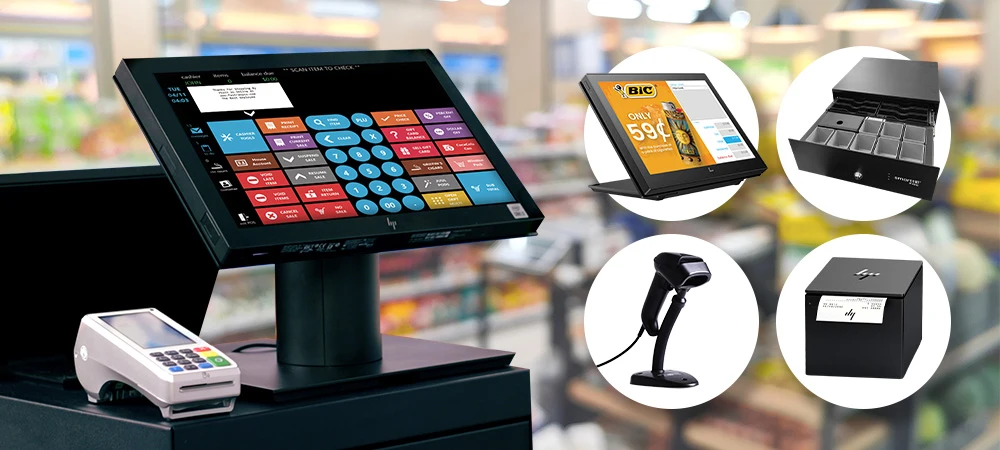
Your point-of-sale system is the front door for scan data. If your point-of-sale system cannot export clean, structured transaction data in real-time, that becomes your first bottleneck to solve.
Adopt AI & Analytics Early
Do not wait for AI to be perfect. It never will be. Start with fraud detection and receipt validation. Those use cases work today. The return on investment (ROI) can often be measured within months, depending on implementation.
Train Staff on Digital Skills
Your staff will resist new scan data processes if they do not understand why it matters. Train them. Show them how faster data means better promotions and more customer traffic. Connect the dots for them.
Use Cloud-Based Solutions
On-premise scan data systems are slow to update and expensive to maintain. Cloud solutions give you automatic updates, built-in compliance, and the ability to scale without buying new servers.
Partner with Tech Providers
Do not build this yourself. Seriously. Scan data is not your core competency. Partner with someone who has already solved the hard problems. You focus on retail. Let them focus on data.
Ensure Data Accuracy
Garbage in, garbage out. If your scan data is wrong, every decision based on it is wrong. Invest in validation. Invest in cleaning. Accuracy is not optional.
Build Scalable Systems
Start small but think big. Your pilot program should use the same infrastructure as your eventual enterprise rollout. Otherwise, you end up rebuilding everything twice.
Best Practices for Optimizing Scan Data Incentive Programs
Let me give you seven things you can do next week. Not next year. Next week.
Ensure data accuracy before you scale. One bad store feeding bad data poisons the entire system.
Use real-time analytics to catch problems early. Do not wait for a monthly report to tell you a store stopped scanning.
Align incentives with actual business goals. If you want to move stale inventory, incent that. If you want to test a new price point, incent that. Generic incentives produce generic results.
Update programs regularly. What worked in Q1 may not work in Q3. Review your incentive structure every quarter.
Automate reporting so no one has to ask for it. Push dashboards. Push alerts. Push insights before someone requests them.
Train staff effectively, not just once. New hires need scan data training. Seasonal staff need refreshers. Make it part of onboarding.
Track key metrics obsessively. Participation rate. Data accuracy. Time from scan to reward. Fraud rate. These numbers tell you if your program is healthy or dying.
Maintain data security as a non-negotiable. A breach in your scan data program destroys trust with customers and brands. Treat security like oxygen. You do not notice it until it is gone.
Conclusion
Let me wrap this up without the usual soft landing.
Scan data incentive programs are not going away. That much you already know.
But the programs that win in 2026 will look nothing like the programs that worked in 2023. Real-time will replace batch. Personalization will replace flat incentives. Automation will replace manual review. And the most advanced retailers are already beginning to treat scan data as a strategic asset rather than a cost center.
Frequently Asked Questions
What are scan data incentive programs and how do they work?
Scan data incentive programs reward participants for scanning and sharing product-level data such as sales and inventory. When a receipt or barcode is scanned, the transaction is validated, and rewards are issued. This system helps brands understand which products sold and at what price, enabling better marketing decisions.
How are scan data programs different from loyalty programs?
Scan data programs track what products are bought without necessarily identifying the buyer, while loyalty programs focus on tracking individual customer purchases over time. This distinction is crucial as scan data programs are evolving to offer more real-time insights, whereas loyalty programs traditionally gather historical data.
Why is real-time data sharing important for retailers?
Real-time data sharing allows retailers to access immediate insights into sales performance, enabling them to make quick, informed decisions. In today's competitive market, brands need to know how promotions are performing almost instantly to adjust strategies and maximize effectiveness.
What trends are shaping the future of scan data incentive programs?
Key trends include the shift to real-time data sharing, personalized incentives based on customer behavior, increased automation in processes, and better integration with loyalty data. These trends aim to enhance accuracy, engage customers more effectively, and streamline operations.
How can retailers prepare for changes in scan data programs?
Retailers can prepare by investing in advanced point-of-sale technology, adopting AI and analytics to enhance data accuracy, training staff on new processes, and using cloud-based solutions for scalability. Ensuring data accuracy and building scalable systems are also critical for future success.
What are the benefits of implementing real-time scan data programs?
Implementing real-time scan data programs can lead to improved inventory accuracy, faster decision-making, increased sales, and enhanced collaboration between retailers and brands. These benefits arise from the ability to respond quickly to market changes and tailor incentives effectively.
How does automation play a role in scan data programs?
Automation reduces manual intervention in processes such as receipt validation and fraud detection, leading to increased efficiency and fewer errors. This shift not only lowers operational costs but also allows for faster reward payouts and better data management.
























Sign in to leave a comment.