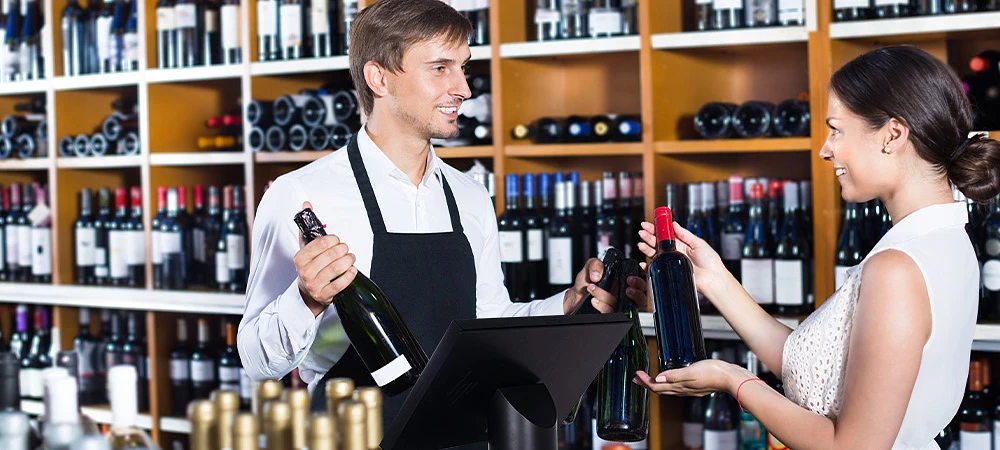

In today’s competitive retail landscape, simply making a sale is no longer enough to drive sustainable growth. Retailers face rising costs, shorter attention spans, and customers who expect more value from every purchase.
This is where upselling steps in, not as a pushy tactic, but as a customer-first approach. Upselling helps shoppers discover better, higher-value options that truly meet their needs.
When done right, it improves customer satisfaction while increasing average order value. In a market driven by personalization and experience, upselling has become more relevant than ever.
If you are planning to upsell but don’t know how to upsell in retail, then this blog will help you understand it. This blog explores smart, practical upselling techniques retailers can use to boost profits without compromising trust.
What Is Upselling in Retail?
It is a retail sales technique where a seller encourages customers to buy a high-priced, premium, or upgraded version of a product they are already considering.
Upselling helps retailers increase average order value and overall revenue without requiring more customers. It improves customer experience when the suggested products genuinely add value to their requirements.
In a competitive market, effective upselling increases profitability while strengthening customer satisfaction offers relevant upgrades or enhancements.
The Psychology Behind Successful Upselling
Successful upselling works as it taps into human decision-making patterns. When customers see logical upgrades that improve comfort, convenience, or performance, they feel the purchase is worth a little extra.
Retailers also frame recommendations around customer benefits and needs, which makes them feel understood, and they are more likely to say yes.
Benefits of Upselling for Retail Businesses
Upselling helps retail businesses reach new heights by increasing AOV, profitability, and overall revenue in both the short and long term.
Let’s discuss the benefits retail businesses can expect from it.
Increases Average Order Value (AOV): When you offer customers a better version of what they already want, they often choose it even if it costs a bit more. It leads to a higher average order value across your store.
Improves Customer Satisfaction with Personalized Suggestions
Providing relevant solutions and products to your customers when upselling can prove that you take interest in your customers’ shopping experience. Personalized shopping suggestions ensure that your customers always find what they are looking for, leading to improved customer satisfaction.
Clear Higher-Margin or Seasonal Inventory: Upselling in retail encourages customers to move from lower-margin entry-level items to more profitable premium products. It is used to clear excess or deadstock by bundling slow-moving items with high-margin products or offering time-limited incentives on seasonal stock.
Strengthens Customer Relationships: By identifying a customer’s needs and recommending a product that genuinely solves their problem. This helps retailers build trust and brand loyalty. Personalization makes your customers feel seen and valued, turning a standard transaction into a consultative experience.
Improves In-Store and Online Shopping Experience:
Knowledgeable staff can provide face-to-face guidance, which helps customers discover better quality products, which they might not have initially considered. AI-driven tools and clear comparison charts help customers make informed decisions quickly.
How Retailers Can Use Smart Upselling Techniques to Maximize Profit
Smart upselling isn’t about pushing expensive products; it’s about guiding customers towards better value choices. When done right, upselling improves the shopping experience, increases average order value, and builds long-term customer trust.
By focusing on relevance, timing, and customer needs, retailers can increase profits without compromising customer satisfaction.
Let’s discuss the top upselling techniques in retail and how they help increase profit.
Offer Better Versions or Upgraded Products: Provide better versions of upgraded products to anchor the base price and highlight superior features of the high tiers. It will help improve quality, performance, or convenience over the basic product.
Add Complementary Items: Suggest high-margin complementary items when your customers are excited about their main purchase. It can be anything like accessories or add-ons without creating any pressure on the customer.
Use Tiered Pricing to Show Value: This pricing helps customers compare options easily and see clear value differences. By offering basic, standard, and premium versions, retailers guide customers towards higher-value choices. This approach makes upgrades feel logical rather than forced.
Bundle Offers to Increase Perceived Value: Provide bundle offers that comprise several products together. Ensure the products are related and make sense to the customer. By bundling the products, you will be able to build around the customer’s original requirement to offer a value proposition that suits the customer’s requirements.
Use Limited-Time Deals or Exclusivity: Limited-time offers create urgency and encourage faster purchase decisions. Exclusive deals make customers feel valued and special.
Personalized Recommendations: Personalization increases the likelihood of successful upselling and cross-selling. Customers are more likely to purchase when the product recommendations are in accordance with their preferences or the previous items they’ve purchased.
Use Social Proof and Product Reviews: Social proof builds confidence by showing that others trust and value the product. Ratings, reviews, and testimonials reduce hesitation during buying decisions. Highlighting positive feedback near upsell options makes upgrades feel safer. This reassurance often encourages customers to select high-value products.
Educate About Benefits, Not Features: Customers care more about outcomes than technical details. Explaining how a product improves comfort, convenience, or performance, which makes upselling more effective.
How Digital Tools Improve Upselling for Retailers
Digital tools have transformed upselling from guesswork into a smart and data-driven strategy. By using real-time data, customers' insights, and automation, retailers can recommend the right products at the right moment.
These tools help in creating personalized upsell offers, increasing order value, and improving the overall shopping experience.
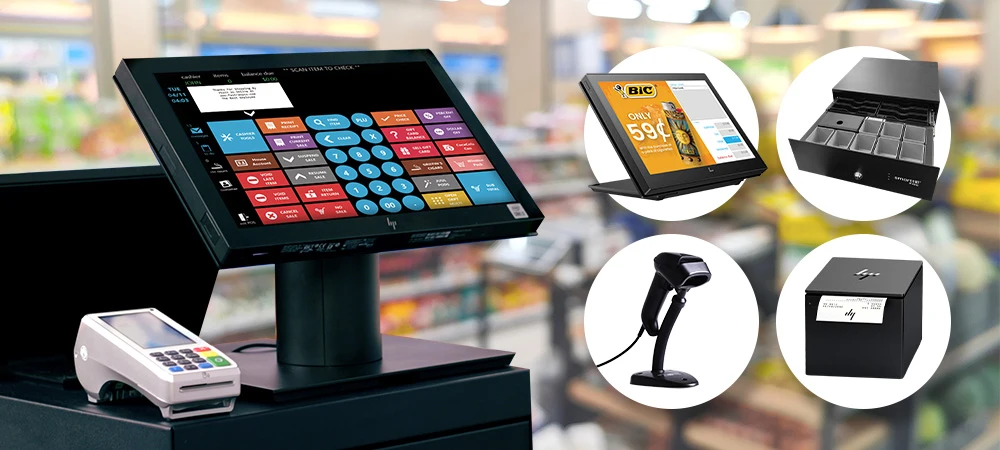
POS Systems with Built-In Recommendation Engines:
These systems analyze purchase history in real time to suggest relevant items directly at checkout and boost immediate transaction value.
Customer Loyalty Programs: Reward spending with loyalty points/discounts, incentivizing customers to buy more to reach tiers or redeem awards with personalized offers based on data.
Customer Relationship Management (CRM) and Customer Data Platforms: Centralize data for targeted marketing, personalized communication, and a holistic view of each customer’s preferences, purchase history, and engagement across channels.
Mobile Apps & Digital Signage: Deliver contextual, location-based promotions or push notifications with exclusive offers or product bundles, guiding customers to higher-value purchases.
Ecommerce Tools: Power personalized product recommendations for abandoned cart reminders and seamless cross-channel experiences, increasing customer conversion and average order value.
Inventory Forecasting Tools: This ensures that popular upsell items are in stock, preventing lost sales and capitalizing on demand for higher-margin products.
How to Measure Upselling Success
Measuring upselling success isn’t just about numbers—it’s about understanding impact. By tracking the right metrics, you can see which strategies are driving higher sales, which are resonating with customers, and where there’s room to improve.
From average order value to customer satisfaction, these insights help you fine-tune your approach and make upselling both effective and customer-friendly.
Average Order Value: It helps in measuring increased spending per transaction.
Upsell Conversion Rate: It helps show how effective your product offers are.
Units Per Transaction: It helps track the average number of items sold per transaction to see how often customers accept add-ons or upgrades.
Revenue Per Customer: It measures how much each customer spends on average to understand the direct revenue impact of upselling efforts.
Employee-Level Sales Performance: Evaluate individual staff performance to identify who excels at recommending product upgrades and drives high-value purchases.
Customer Satisfaction Score: Monitor customer feedback and satisfaction scores to ensure upselling improves the experience rather than frustrating customers.
The Bottom Line
Upselling matters, as it drives higher revenue while delivering greater value to customers. By focusing on personalization, smart timing, and benefit-led recommendations, retailers can upsell without disrupting trust.
As retail evolves, data-driven and AI-powered upselling will become more intuitive, relevant, and customer-friendly. Now is the time for businesses to refine their upselling strategies and leverage technology effectively.
Done right, upselling shapes a future where every interaction feels helpful, seamless, and value-driven.
























Sign in to leave a comment.