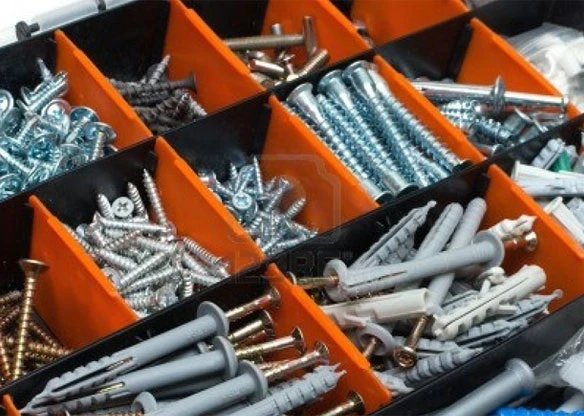

During any construction and renovation venture, certain items are indispensable. Screw anchors fall into this category, almost flying under the radar with their immense prevalence in supporting structural integrity and durability. For most homeowners, engineers, or architects, taking these anonymous contributors of construction and renovation stability for granted is quite common. So, we've decided to place the limelight on these humble components and further enhance your understanding of galvanised screw anchors — a central player in almost every construction and renovation project.
The Basics of Galvanised Screw Anchors
Galvanised screw anchors are metal fasteners that help securely fix an object to a base material—be it wood, concrete, brick, or block. These tiny marvels of engineering consist of two primary components: the screw body with threads and often a pointed tip and the anchor that, once set, creates a powerful force resistant to pull-out. Heavily used during the construction and renovation of residential and commercial structures, their role extends much beyond just connecting two different pieces or materials.
What makes these anchors distinctive is their galvanised treatment. Galvanisation refers to a protective coating of zinc that is applied to the screw anchors. This layer imparts rust- and corrosion-resistant qualities to the anchors, making them fit for all environments, especially ones with high moisture or exposure to other corrosive elements.
Importance of Galvanisation
Galvanisation, simply put, is a layer of defense. The process involves treating steel or iron to prevent rust by coating it with a thin layer of zinc. This measure is crucial as it extends the life and improves the functional quality of screw anchors significantly.
Since screw anchors are often exposed to harsh environmental conditions with moisture and elemental exposure, the galvanisation layer acts like a warrior against these corrosion-causing agents. It forms a protective barrier that prevents direct metal-to-environment contact, thereby enhancing its durability. The zinc, in tandem with oxygen, even self-heals minor scratches on the surface. Thus, galvanisation adds a robust longevity to screw anchors, ensuring they offer continued support to your structures.
The Role of Galvanised Screw Anchors in Construction and Renovation
The importance of galvanised screw anchors in construction and renovation cannot be overstated. These tiny components are the binding backbone of every structure.
When it comes to construction, they act as crucial fastening components that secure various pieces of the structure, whether it’s mounting fixtures, fastening roof slabs, or attaching planks. In addition to offering essential stability, they also contribute to the overall life of a construction, owing to the durability infusion via galvanisation.
Renovation projects enlist similar uses for these anchors. Whether you are retrofitting new installations, reinforcing existing structures, or replacing damaged sections, galvanised screw anchors prove to be indispensable. Their corrosion-resistance feature makes them a favorite choice for outdoor renovations or for usage in wet environments such as bathrooms and kitchens.
Selecting the Right Galvanised Screw Anchor
Much like any other construction material, not all screw anchors are created equally. Appropriate selection is based on the requirements of the task at hand, the base material to which the object is being secured, the weight of the object, and the environmental factors involved.
Whether you are dealing with concrete, brick, or wood, different types of galvanised screw anchors cater to these materials. Furthermore, the weight of the object matters immensely when selecting the right screw anchor. You would need a more robust anchor for heavy objects than for lighter ones.
Environmental factors are vital too. For instance, if the anchor is going to be subjected to constant moisture or other corrosive agents, a hot-dipped galvanised screw anchor is a more suitable option as compared to an electro-galvanised one, as it provides a thicker, more durable zinc coating.
Installation of Galvanised Screw Anchors
Correct installation of galvanised screw anchors is critical to achieve maximum effectiveness.
The first step is to drill a hole in the base material using a hammer drill. The hole's size should correspond to the anchor's diameter. Once the hole is made, clear any debris using compressed air, a wire brush, or a vacuum. The next step is to insert the anchor into the hole. Here, make sure the anchor flushes with the surface of the base material.
Then, place the fixture over the anchor and insert the screw. Progressively tighten the screw until it is firm. Remember, overtightening the screw can potentially weaken the grip of the anchor.
This overarching guide may vary depending on the type of anchor used or the base material.
Mistakes to Avoid with Galvanised Screw Anchors
Dealing with screw anchors can have its pitfalls. One common mistake is selecting the wrong size of the anchor for the application. Larger isn't always better—using an anchor that is oversized for the fixture can lead to damage, while one too small may not offer the requisite support.
Another mistake lies in the inconsistent tightening of the screw. Over-tightening can lead to a partial or complete pull-out, while under-tightening might not engage the anchor enough.
It's also critical to watch out for environmental misjudgment. Using galvanised anchors in highly acidic environments can lead to premature corrosion. Understanding the type and level of environmental exposure can guide the right choice of anchor.
Upkeep and Replacement of Screw Anchors
Galvanised screw anchors come with the promise of longevity, but like all things, they aren't eternal. Observing routine checks ensure that your anchors maintain their best form.
Signs of wear and tear like visible rusting or loosening of the anchors should raise a red flag. At this point, you may need to plan for a replacement.
The process of replacing a screw anchor involves removing the damaged anchor, cleaning the hole, and reinserting a new anchor—essentially repeating the installation procedure. It's advisable to consult an expert when the anchors are used in large-scale construction to ensure safety and proper implementation.
Case Study: A Successful Use of Galvanised Screw Anchors
In 2018, galvanised screw anchors were used in the renovation of a century-old building in New York City. The renovation involved significant structural work, including the addition of a new mezzanine level. The old brick walls needed reinforcing, and the new structures introduced needed secure fastening. Given the wet New York climate, galvanised screw anchors were the ideal choice to offer corrosion-resistance.
The usage of galvanised screw anchors led not only to solid reinforcement but also added decades of longevity to the structure. The project was successful, earning the architect accolades and showcasing the integral role of galvanised screw anchors in renovation ventures.
Common Misconceptions about Galvanised Screw Anchors
Galvanised screw anchors, due to their behind-the-scenes role, are surrounded by misconceptions.
The most common myth is that 'All anchors are the same.' This perception is wildly misplaced as the anchors differ in their design, size, purpose, material, and coating. Choosing the correct anchor is fundamental to achieving the desired longevity and stability.
Another confusion is that galvanised screw anchors are immune to corrosion. While galvanisation undoubtedly enhances the corrosion-resistance, the zinc coating can wear down in highly corrosive conditions over a long period.
The belief that 'Installation doesn’t require any special expertise' is another misconception. Proper installation is crucial to ensure that anchors function optimally—incorrect installation could undermine stability and even pose safety risks.
FAQs
**What is the lifespan of galvanised screw anchors?**Galvanised screw anchors typically last for several decades. Their lifespan is significantly extended due to the galvanisation process, which delays the onset of rust and corrosion.
**Why are galvanised screw anchors preferred over other types?**
Galvanised screw anchors are favored for their corrosion-resistance. The zinc coating prevents the core steel or iron from rusting, making them suitable for use in environments that have a high moisture or humidity level.
**How can I tell if my screw anchors need replacing?**
Visible signs such as rusting, loosening, or if your fixture isn't holding as firmly as it should indicate the necessity for a replacement.
**What are some of the safety measures to consider when installing these anchors?**
Using protective gear like gloves and safety glasses is a basic requirement. Ensure that the drilled hole is the correct size and there is no debris in the hole before setting in the anchor. Finally, avoid over-tightening the screws—just ensure they are firm.
Conclusion
In the grand architecture of a building, galvanised screw anchors might seem inconsequential. But if these fasteners fail, our structures can crumble like a pack of cards. Their role in providing stability, durability, and reinforcement is invaluable for construction and renovation endeavors. By understanding their purpose, installation, maintenance, and common misconceptions, we can appreciate their contribution to our structures more adequately. So, the next time you embark on a building venture, remember these unsung heroes that hold our structures firmly together.
























Sign in to leave a comment.