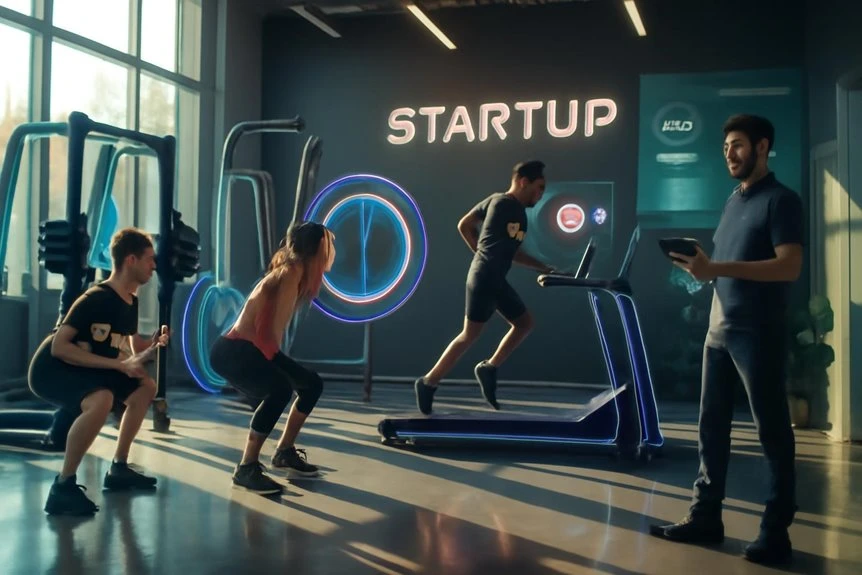

Gym routines are being transformed by game design. They turn workouts into quests with points, streaks, and “boss” challenges to fight boredom and dropout. Users choose goals, adjust intensity, and get real-time feedback without harsh coaching. Cardio, strength, and yoga become missions that rotate to keep interest high. Even low‑tech tricks, like story-based runs or family challenges, copy this approach. The next sections explain how these systems work and how anyone can adapt them.
Why People Are Turning Gym Routines Into Games
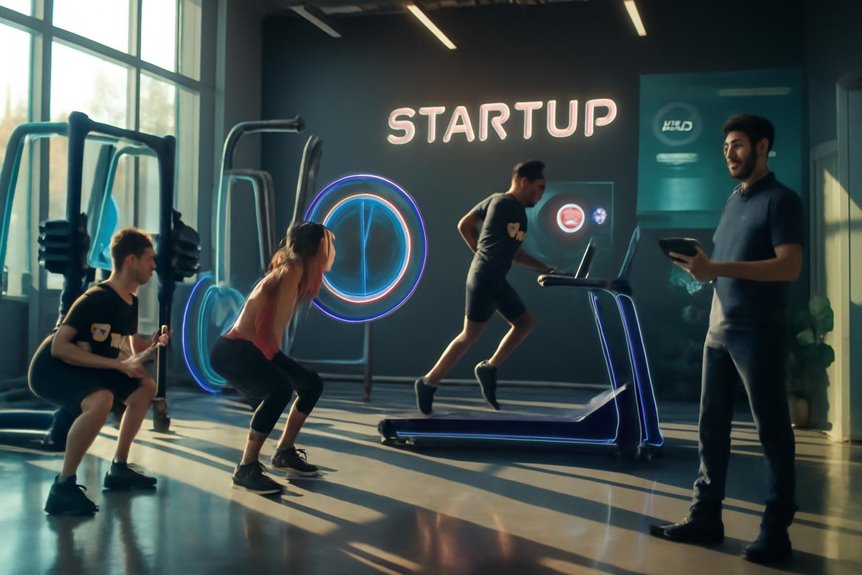
People are turning gym routines into games to solve a persistent adherence problem and tap into proven engagement patterns from the gaming world. They see a stagnant dropout rate as both a warning and an opening: conventional fitness feels obligatory, not liberating. By reframing workouts as voluntary quests, founders aim to align movement with fun, not guilt. Building on this, many concepts now translate traditional cardio, strength, and mind‑body classes into dynamic challenges so users naturally rotate through spin, HIIT, Body Pump, yoga, and more as part of a well-rounded routine.
How Fitness Gamification Tech Keeps You Working Out
Turning exertion into a structured game loop, fitness gamification tech keeps people returning by replacing vague goals with clear, winnable challenges.
Instead of open-ended pressure to “work out more,” users see specific quests, streaks, and boss-level milestones mapped to real movement.
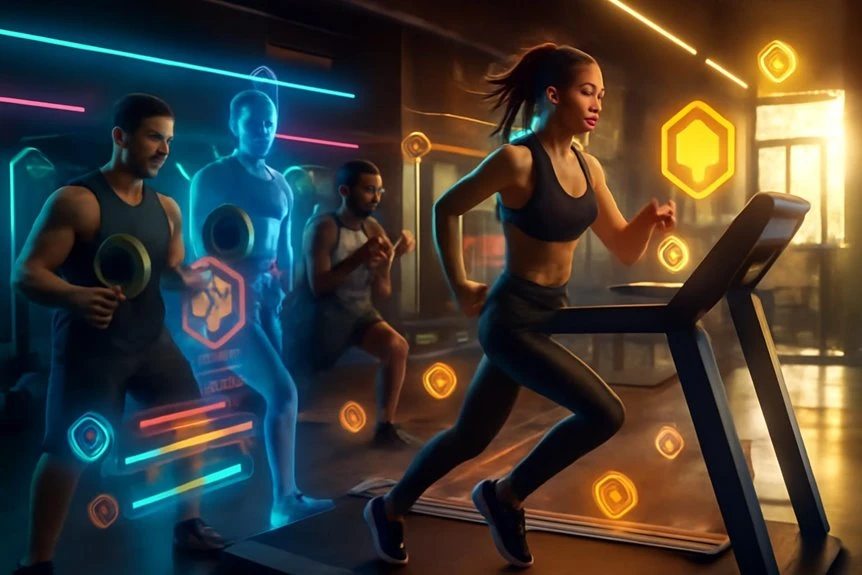
Points, combo meters, and adaptive difficulty convert repetition into progress they can measure and choose to pursue.
Real-time feedback nudges better form without a drill-sergeant vibe, while varied missions reduce boredom.
By translating broad ambitions into SMART fitness goals, these systems give players clear targets and visible milestones that reinforce consistent training.
Fundamentally, players opt into goals, adjust intensity, and pause without penalty, preserving autonomy even as subtle nudges pull them back for one more session whenever they want.
Ways to Add Game-Style Challenges to Your Own Workouts
From simple rule tweaks to app-assisted quests, everyday workouts can be reshaped into game-style challenges without needing special equipment. One option is turning distance or time into missions—reach a landmark before a song ends, or climb “out” of an imaginary canyon on the stair machine. Others build boss battles by saving the toughest set for last, logging scores in a notebook or app, and trying to beat yesterday’s self.
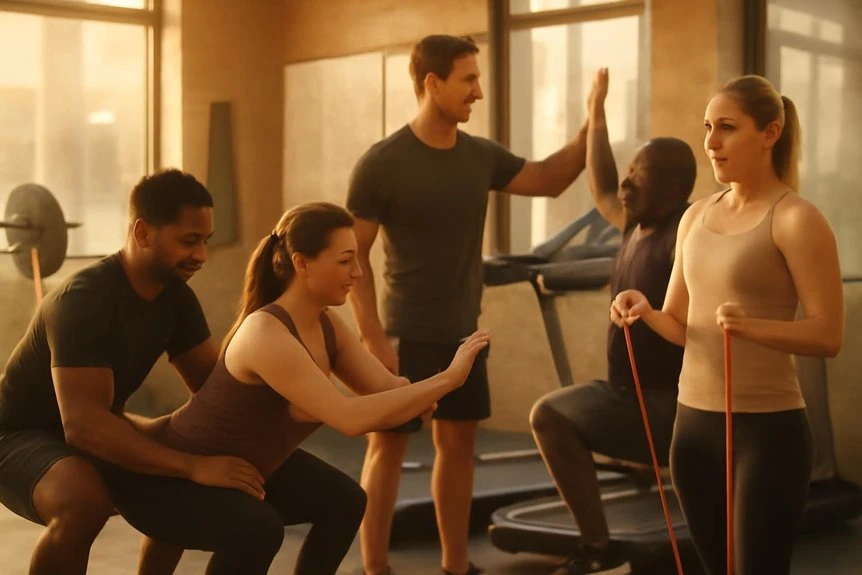
Some create co-op play: friends share movement targets, trade videos as proof, then choose new quests each week. These playful constraints protect autonomy while quietly nudging consistent, rewarding effort forward. Family fitness challenges can extend this approach by adding built-in social support, turning individual game-style goals into shared adventures that boost motivation and strengthen connections.
Conclusion
Viewed from a distance, the rise of game-like gyms suggests a simple wager: if people keenly devote more than eight hours a week to gaming, why not redirect some of that impulse toward health? Startups blending scoring systems, storylines, and smart wearables are betting they can outwit drop‑off rates that sideline two‑thirds of gym members, turning fleeting resolutions into routines that feel less like work and more like play for the long term, sustainably instead.

Sign in to leave a comment.