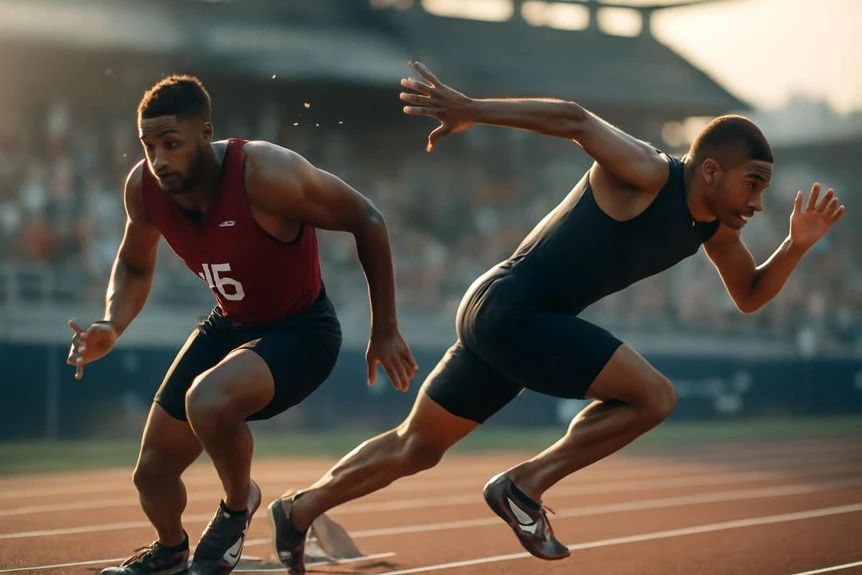

Reaction time in sport is the brief interval between a cue and an athlete’s conscious physical response, measured in milliseconds. It shapes how quickly players spot movement, process options, and execute skills under pressure. Unlike automatic reflexes, it involves perception, prediction, and decision. Targeted drills, varied stimuli, and tools like light-based systems can sharpen this hidden advantage. Faster, more accurate reactions often separate survival from control in competition, and there is much more behind how it can be trained.
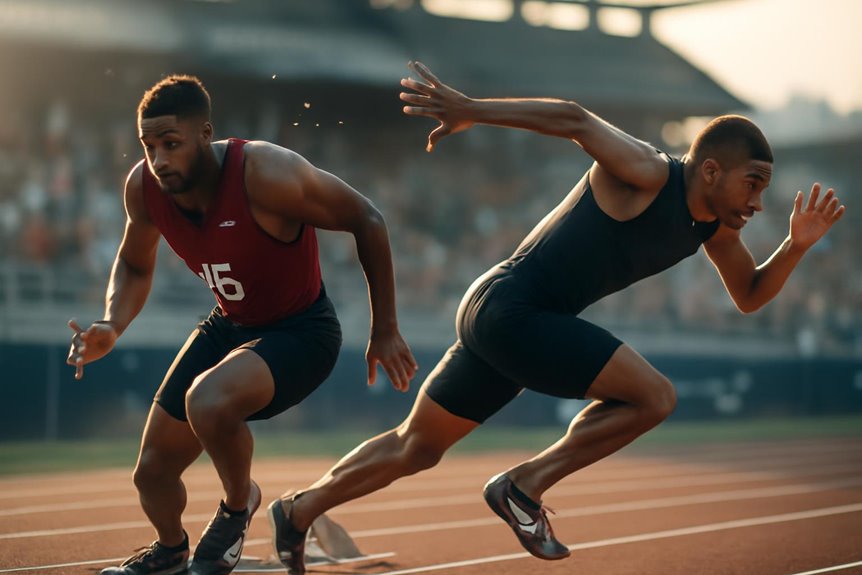
What Is Reaction Time in Sport and Why Does It Matter?
In sport, reaction time refers to the interval between the onset of an external stimulus and a conscious physical response. It is distinct from automatic reflexes, which bypass deliberate choice.
Reaction time belongs to the domain of intention: the athlete sees, hears, or feels something, then decides and moves. This tiny window, often measured in mere milliseconds, quietly shapes how freely a player can express skill. Just as tracking personal records in fitness reveals progress over time, monitoring reaction time benchmarks helps athletes quantify and systematically improve this hidden advantage.
Quicker reactions open tactical options, create space, and defend it. In tight contests, this hidden edge often separates constrained survival from liberated, assertive play — and ultimately, loss from victory on the scoreboard.
How Reaction Time Works: From Stimulus to Split-Second Decision
Three tightly linked stages turn a stimulus into a split-second sporting decision: perception, processing, and response.
Perception begins when senses detect a cue—ball flight, opponent’s movement, whistle blast.
The brain then processes this data, filtering noise, predicting outcomes, and selecting a lawful option.
Finally, muscles execute the chosen action, converting intention into liberated movement.
Each stage adds a few milliseconds, yet together they shape how freely an athlete reads chaos and answers with purpose in play.
- Notice the first cue without judging it.
- Let the brain run rapid predictions, then commit.
- Trust the body to act cleanly, without hesitation.
Consistent training that improves cardiovascular endurance helps the brain and muscles coordinate this entire sequence more efficiently under sustained pressure.
Training to Improve Reaction Time in Sports (Drills, Tools, and Research)
Many athletes discover that reaction time is not a fixed trait but a trainable skill that can be sharpened through targeted drills, intelligent use of tools, and evidence‑based methods.
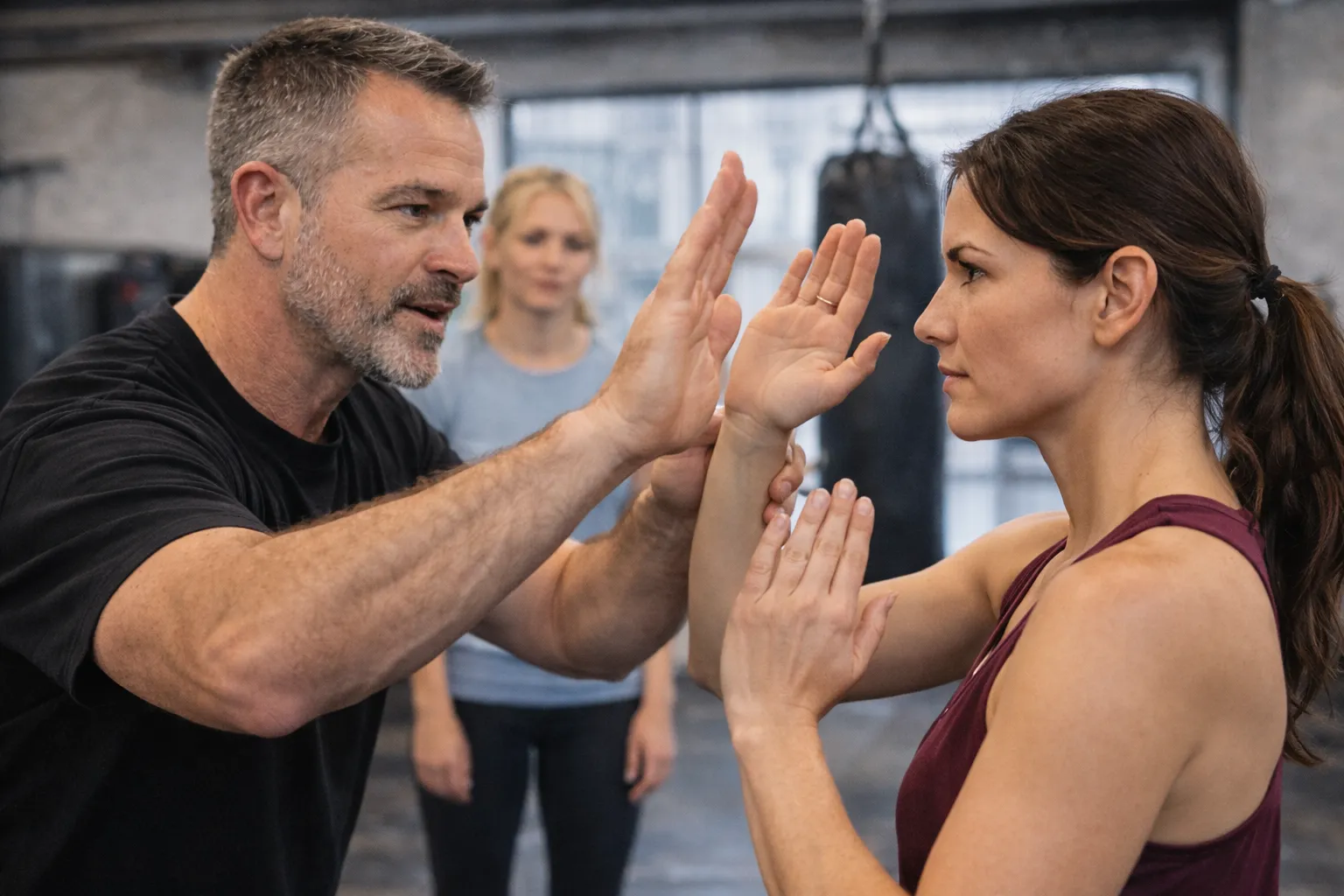
Practical sessions mix visual, auditory, and kinesthetic cues, forcing rapid perception–decision–response cycles under pressure.
Coaches use unpredictable starts, partner mirroring, small‑sided games, and constrained spaces to compress thinking time while preserving creativity.
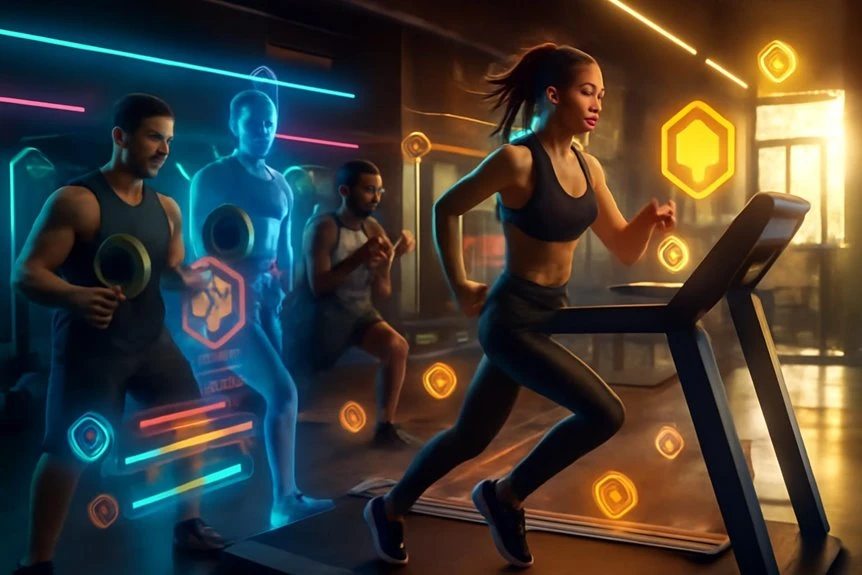
Light‑based systems such as BlazePod add random, data‑tracked stimuli without dictating movement patterns, supporting autonomous expression.
Research on racket sports, police task complexity, and football core training consistently shows that specific, progressive reaction practice yields faster, adaptable performers.
For younger athletes, integrating family‑style activities that emphasize consistency and progression can help build the general fitness and coordination base that makes reaction‑time training more effective.
Conclusion
In contemporary sport, reaction time emerges as a trainable advantage rather than a fixed trait. By refining the chain from stimulus to decision to movement, athletes convert cognitive speed into competitive outcomes. Significantly, research in racquet sports has shown that elite performers react up to 20% faster than sub-elite peers, a margin that often distinguishes winners from the field. As assessment tools evolve, reaction training is poised to become a standard pillar of performance programs.
















Sign in to leave a comment.